

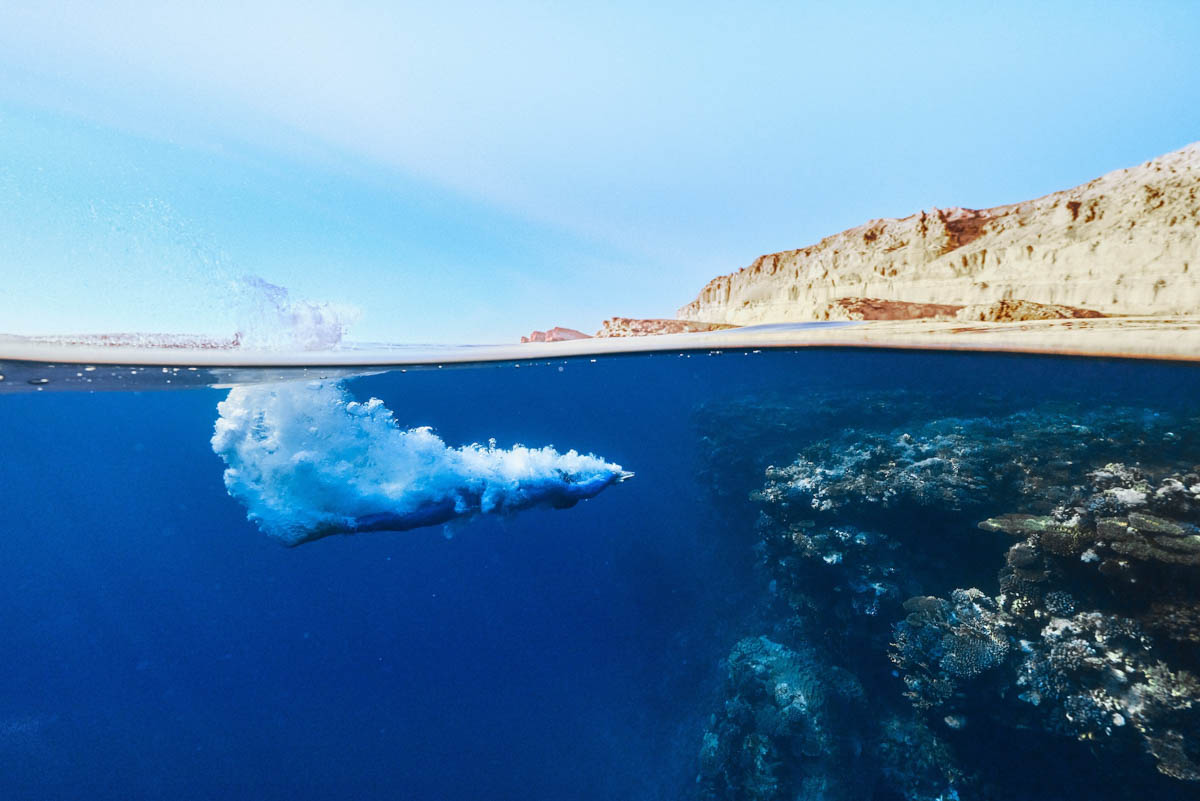
Saudi Arabia has officially approved its first licensed shark cage diving experience, marking a notable moment for both marine tourism and conservation in the Kingdom. The permit has been issued for operations within Ras Hatiba Reserve, following authorisation from the National Center for Wildlife in partnership with the Saudi Water Sports and Diving Federation.
According to an official announcement published by the National Center for Wildlife, the licence allows a single, certified operator to conduct regulated shark cage diving activities under a strict environmental and safety framework. The programme has been designed to enable close observation of sharks while minimising disturbance to natural behaviour and protecting the surrounding marine ecosystem.
The NCW stated that all operations must comply with national marine protection regulations, including environmental impact monitoring, controlled visitor numbers, and adherence to approved operational protocols. Oversight will be carried out jointly with the Saudi Water Sports and Diving Federation to ensure diver safety standards and professional conduct are maintained throughout the experience.
Ras Hatiba Reserve is recognised as a sensitive marine protected area, home to a range of ecologically important species. Authorities have positioned the initiative as a tool for education and awareness, highlighting the role of sharks as apex predators and their importance to healthy marine systems.
Officials also framed the move as part of broader national objectives tied to Saudi Vision 2030, which seeks to expand sustainable tourism offerings while safeguarding natural heritage. By introducing tightly regulated wildlife experiences, the Kingdom aims to demonstrate how conservation-led tourism can support economic diversification without compromising environmental integrity.
While shark cage diving is well-established in several global destinations, this marks the first time such an activity has been formally licensed in Saudi Arabia, setting a precedent for how future marine tourism experiences may be evaluated and approved within protected waters.
For the diving community, the development signals a cautious but significant step toward increased access to Saudi Arabia’s marine environments, provided conservation remains at the core of decision-making.
