

A dispute at one of Seattle’s established commercial diving schools has led to student protests and reports of instructor strike action, with concerns raised about safety, school management and student attendance records.
The Divers Institute of Technology (DIT), located near Gas Works Park on Seattle’s Lake Union, became the focus of demonstrations on Thursday, October 15, as students voiced concerns about the situation at the specialist training institution.
Further developments have since emerged. Classes were taking place again on Monday, October 19, while two former school directors have disputed suggestions that diving safety regulations or protocols were breached.
However, students have continued to express uncertainty about their training, qualifications and progress towards graduation.
Students Protest as Dispute Escalates
The dispute came into public view when students began demonstrating outside the school on Thursday morning.
According to initial reporting by KIRO 7 News, instructors said they had gone on strike following disagreements with school leadership and concerns relating to safety.
Photographs supplied to the broadcaster showed protesters near Gas Works Park, close to the institute’s training facilities.
A statement attributed to student organisers alleged that instructors had raised safety concerns and accused senior school officials of overstepping their authority.
The statement specifically identified Executive Director Dave Ruggieri and Director of Compliance Michelle Perrigo in connection with the management dispute.
These remain allegations made by the organisers. No independent findings establishing misconduct by either individual have been reported.
The organisers also claimed that students had received misleading information about the situation, raising questions about communication between the institution, its instructors and those enrolled in training.
KIRO 7 made clear that it had not independently verified these allegations.
Allegations Involving Student Attendance Records
One of the more serious allegations concerns the accuracy of attendance records associated with educational benefits provided through the US Department of Veterans Affairs.
According to the statement supplied to KIRO 7, student organisers alleged that the institution had falsified attendance information connected to VA benefits.
The broadcaster stated that it had not independently verified this allegation.
In subsequent reporting, students also raised concerns about whether some instructors possessed the qualifications required to deliver their training.
Neither the attendance-record allegations nor those concerning instructor credentials have been independently substantiated in the reporting reviewed by The Scuba News.
There is currently no confirmed finding of attendance-record falsification, and no verified evidence that students’ professional diving qualifications have been invalidated.
The distinction is important because these allegations extend beyond an internal employment disagreement and potentially involve training standards and the administration of educational benefits.
Classes Resume Amid Questions Over Student Qualifications
In a follow-up report published on October 19, KIRO 7 confirmed that diving classes were taking place at the Seattle institution on Monday, following several days of disruption.
However, students interviewed by the broadcaster described continuing uncertainty about their training.
Student Andrew Kelly said the situation had become apparent when instructors failed to attend scheduled classes. He also expressed concerns about whether he would graduate on time, particularly with deeper-water training approaching.
Another student, Alexis Cleary, questioned whether instructors assigned to training possessed the necessary certifications and expressed concern that any deficiencies could affect the validity of students’ qualifications.
These concerns have not been independently substantiated.
The fact that classes were taking place on Monday does not necessarily establish that normal teaching schedules have been fully restored or that the underlying dispute has been resolved.
Former Directors Dispute Safety Allegations
The October 19 report also included comments from two former directors of the Divers Institute of Technology, who spoke to KIRO 7 without appearing on camera.
They rejected suggestions that the dispute involved violations of diving protocols or regulations.
One former director characterised the disagreement primarily as a conflict between individuals rather than a matter involving operational diving safety, and acknowledged that the situation could have been handled differently.
The former directors also told the broadcaster that instructors and students who had been absent during the disruption would not face retaliation upon returning to the institution.
They indicated that the school would operate within the requirements of Washington state law.
Their comments provide an important alternative perspective on the dispute, but do not independently establish whether the specific concerns raised by instructors and students are justified.
The former directors’ statements should also be distinguished from a formal response issued by the institution’s current management.
Why Commercial Diving Training Safety Matters
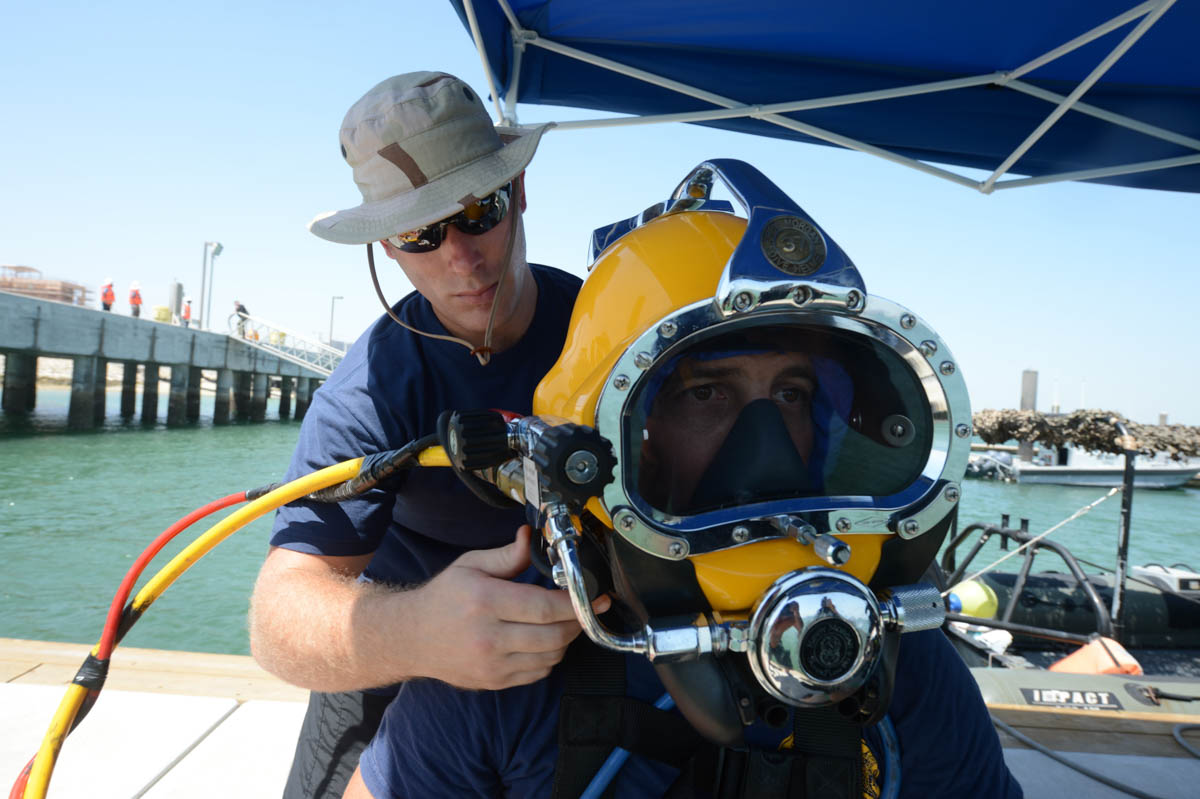
Commercial diving requires specialised technical instruction, equipment and safety procedures that differ substantially from those associated with recreational scuba diving.
Students preparing for careers in underwater construction, inspection, salvage and other industrial activities must learn to operate in environments where equipment failures, restricted visibility, pressure differences and other hazards can have serious consequences.
As outlined by Divers Alert Network in its examination of commercial diving safety, commercial diving operations depend on trained personnel, appropriate equipment, effective communication and carefully established emergency procedures.
Commercial diving training can involve surface-supplied breathing systems, underwater tools, decompression procedures, emergency response and specialist operational techniques.
Training institutions therefore play an important role in developing the knowledge and practical skills needed before students enter professional underwater workplaces.
Accurate records of practical training and confirmation that instructors possess appropriate qualifications are also important to students preparing for employment.
However, the existence of a dispute involving safety allegations does not establish that unsafe diving practices have occurred at the Divers Institute of Technology.
The precise nature of the reported concerns has not been independently substantiated, and the former directors have expressly disputed suggestions of regulatory or protocol violations.
The Scuba News Seeks School Response
KIRO 7 reported on October 15 that it had contacted the Divers Institute of Technology seeking a response to the allegations and reported instructor strike but had received no reply at the time of publication.
The Scuba News independently contacted the institution on October 16, requesting clarification about the reported strike, the safety concerns raised and measures being taken to support affected students.
No response had been received by the time this article was prepared on October 21.
Although the former directors have subsequently offered their account, several questions remain unanswered.
These include whether all scheduled training has resumed, whether concerns about instructor credentials and attendance records have been formally reviewed, and whether the institution has taken additional steps to reassure affected students.
The Scuba News has not established whether any relevant educational, veterans’ benefits or workplace safety authority has opened a formal investigation.
What Happens Next?
The immediate concern for students will be whether their training can continue without further interruption and whether they can complete the practical requirements needed for professional diving qualifications.
While KIRO 7’s latest reporting indicates that classes were taking place on October 19, it does not confirm that the underlying disagreement has been fully resolved.
For the wider commercial diving industry, the situation highlights the importance of transparent safety reporting, effective instructor-management relationships and confidence in specialist training standards.
Any eventual resolution will need to address not only the immediate disruption but also the questions raised by students about their progress and qualifications.
The Scuba News will continue following developments, including any formal response from the Divers Institute of Technology, further statements from instructors and students, and any confirmed involvement by relevant oversight authorities.
This is a developing story. The allegations described above have not been independently substantiated. The Scuba News will update this report as further verified information becomes available.

