

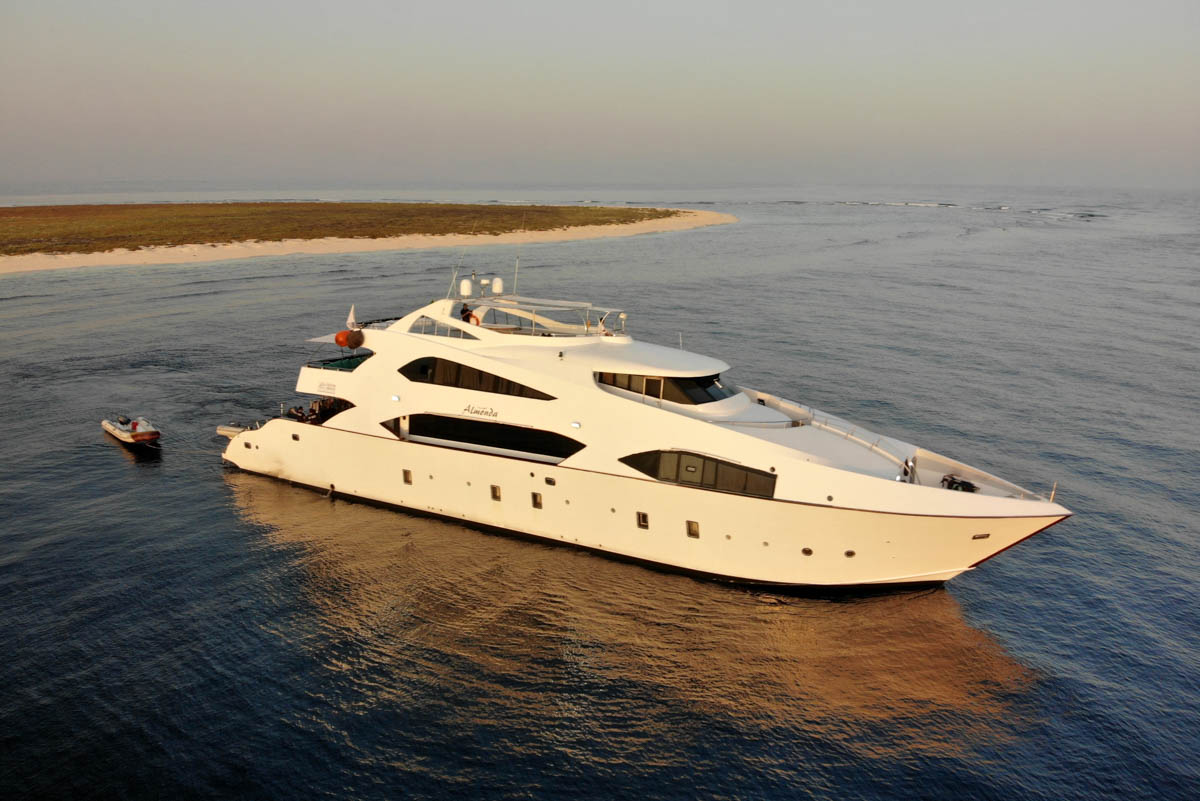
Master Liveaboards has announced the addition of Saudi Master to its fleet, introducing three liveaboard itineraries exploring some of Saudi Arabia’s less frequently visited Red Sea reefs.
The announcement, made on 8 October 2026, marks the company’s first vessel operating in Saudi Arabian waters and represents another step in the country’s developing international diving tourism industry.
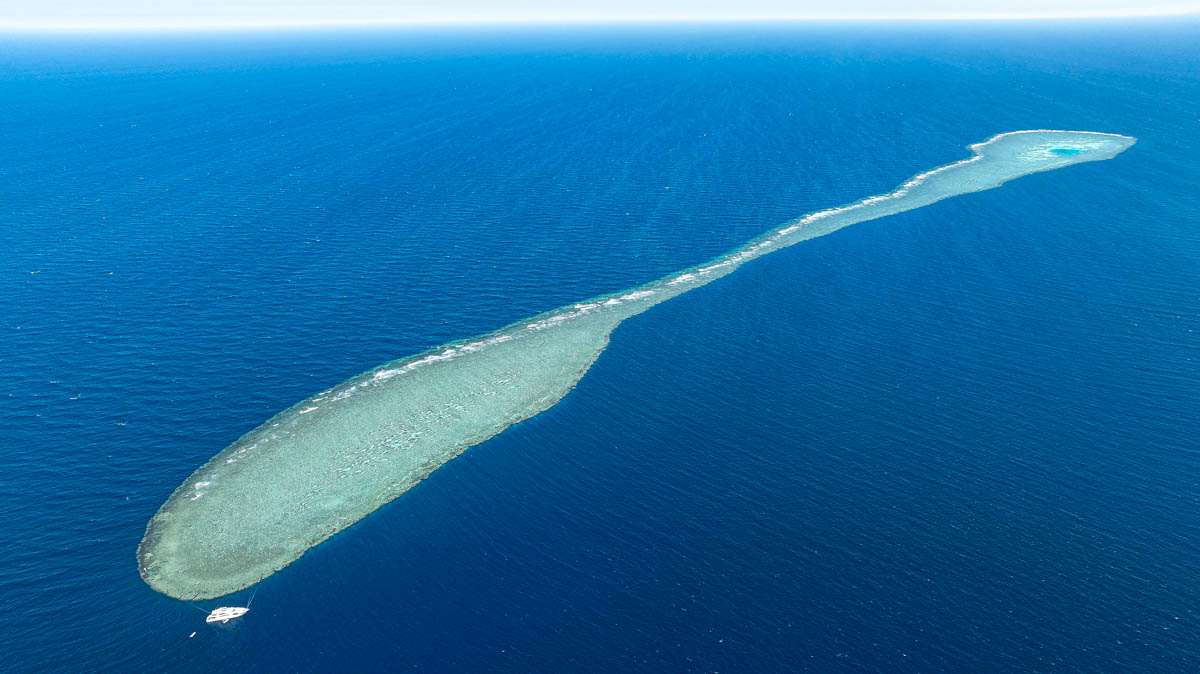
While the Egyptian Red Sea has been an established liveaboard destination for decades, Saudi Arabia’s extensive coastline remains comparatively unfamiliar to many international divers. Its offshore reef systems, remote coral atolls and isolated islands offer a different experience from the busier diving routes elsewhere in the region.
Saudi Master will operate three seven-night itineraries, with departures starting from US$2,800 per person.
A New Addition to the Master Liveaboards Fleet
Saudi Master is a 39.9-metre wooden-hulled motor vessel, originally built in 2015 and most recently refitted in 2026. The vessel’s registered name is Almonda, and the operation brings more than a decade of experience in Saudi Arabian liveaboard diving.
Accommodation is provided for a maximum of 24 guests across 12 en-suite staterooms, comprising eight Classic Twins, two Classic Doubles and two Premium Doubles.
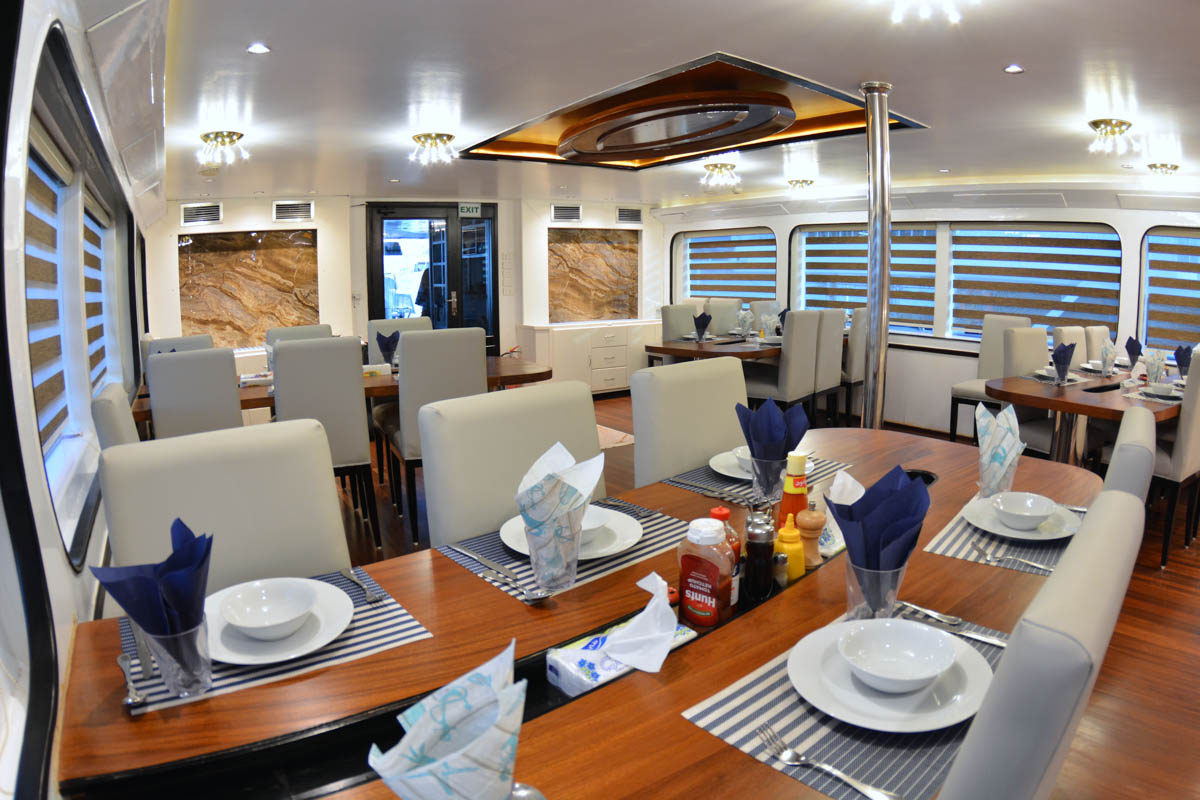
Onboard facilities include an air-conditioned salon and dining area, a shaded outdoor lounge and a sun deck with a Jacuzzi.
For divers, the vessel offers a dedicated equipment storage area, a large stern diving platform and two tenders. Underwater photographers have access to three camera tables and a compressed-air hose for drying camera housings.
Three dive guides support the operation, with up to three dives offered per diving day. Nitrox is included for appropriately certified divers.
Three Itineraries Exploring Saudi Arabia’s Offshore Reefs
The programme covers three distinct areas of Saudi Arabia’s Red Sea coastline, combining offshore reefs, shark encounters, coral formations and wreck diving.
Farasan Banks
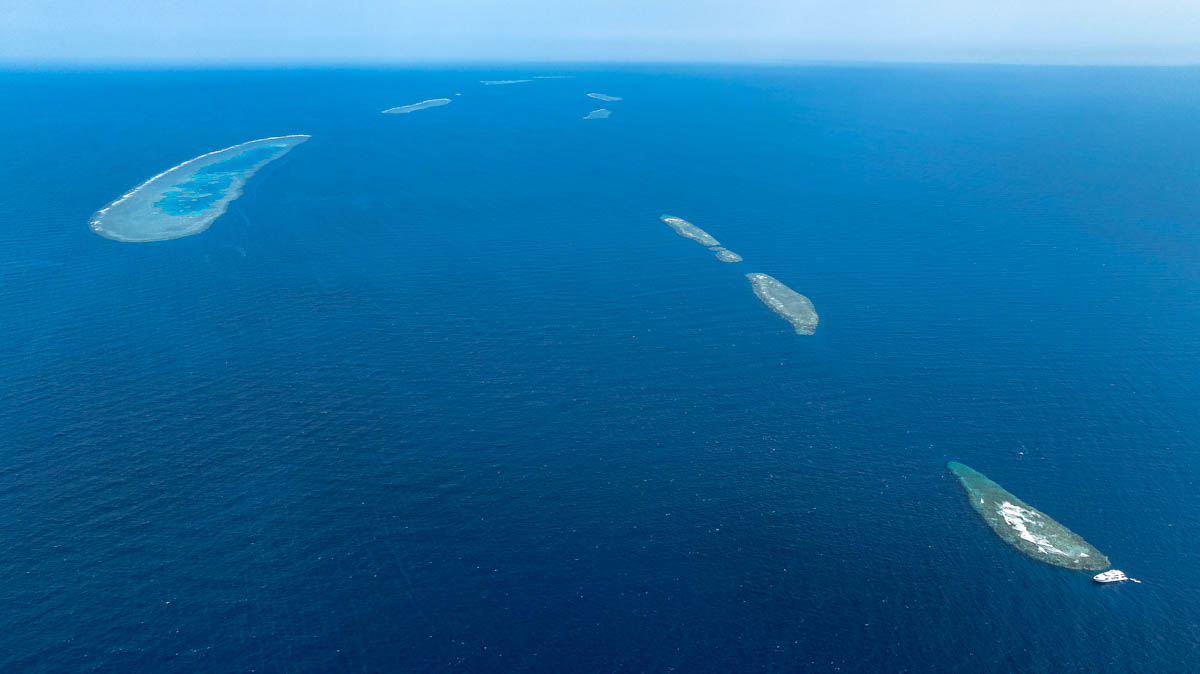
Departing from Jeddah Marina, the Farasan Banks itinerary travels south towards a collection of remote coral atolls, reef systems and low sandy islands.
These offshore environments are known for their steep drop-offs, coral formations and pelagic marine life.
Grey reef sharks, silky sharks and hammerheads are among the species encountered around the reef edges, while the surrounding waters also support schools of barracuda, trevally and tuna.
The islands provide nesting habitat for turtles and seabirds, with dolphins also regularly reported in the wider area.
Five Corals & Seven Sisters
This one-way itinerary operates between Yanbu and King Abdullah Economic City, connecting two significant reef systems.
The Five Corals, situated off Rabigh, are particularly noted for their gorgonian fans and whip corals. Anemonefish, glassfish and other reef species occupy the shallower sections, while larger pelagic fish patrol the drop-offs.
Further north, the Seven Sisters comprise a chain of offshore reefs identified by navigation beacons. Some are better known by their marker numbers than by conventional dive-site names.
The combination offers divers a mixture of coral-rich walls, open-water encounters and comparatively remote diving locations.
Seven Sisters & Umlajj
Operating as a round trip from Yanbu Port, the third itinerary explores the Seven Sisters reef system and the waters around Umlajj.
Alongside the offshore reefs, the itinerary includes opportunities to explore two wrecks, the Orpheus and the Iona.
For divers interested in combining wreck exploration with Red Sea reef diving, this programme offers a different emphasis from the Farasan Banks route.
Why Saudi Arabia’s Red Sea Is Attracting Attention
Saudi Arabia began issuing international tourist visas in 2019, opening the country to a much wider leisure travel market.
Its Red Sea diving industry remains relatively young in comparison with neighbouring Egypt, particularly in the international liveaboard sector.
That difference is central to the appeal of Saudi Master’s itineraries.
Remote reefs can experience substantially less diving activity than established destinations, although conditions and marine life encounters will naturally vary between locations and seasons.
Alex Whitley-Wilson, General Manager of Master Liveaboards, said the company had been looking to introduce Saudi Arabian itineraries for several years.
“These reefs see far fewer divers than the rest of the Red Sea, and it shows.”
The launch also illustrates how established international liveaboard operators are increasingly looking beyond traditional diving destinations as Saudi Arabia expands its tourism infrastructure.
For the country’s diving industry, attracting experienced international operators could help introduce its offshore reef systems to a broader audience.
At the same time, the development of tourism around relatively lightly visited marine environments makes responsible operations and effective reef protection particularly important.
What Divers Need to Know
Saudi Master’s itineraries are best suited to intermediate and experienced divers, with some locations featuring currents, exposed reef systems and deep walls.
Water temperatures are approximately 24°C during winter and can reach around 31°C in summer.
The vessel supports recreational diving to a maximum depth of 40 metres. Decompression diving and technical diving are not supported.
Standard 12-litre cylinders are included, alongside marine park and port fees, meals, non-alcoholic drinks and shared transfers on embarkation and disembarkation days.
Most international visitors will require an appropriate Saudi Arabian visa, with eligibility for electronic visas and visas on arrival depending on nationality and current entry requirements.
Jeddah’s King Abdulaziz International Airport is the principal international gateway, while Yanbu Airport may offer a convenient alternative for some departures.
Bookings Now Open
Master Liveaboards is accepting bookings for Saudi Master, with all three seven-night itineraries advertised from US$2,800 per person.
The introduction of the vessel adds another option for divers interested in exploring Saudi Arabia’s offshore Red Sea reefs, particularly those seeking shark encounters, coral-rich walls and itineraries away from the region’s more established liveaboard routes.
Further information about departures, availability and itineraries can be found on the Master Liveaboards Saudi Master website.
