

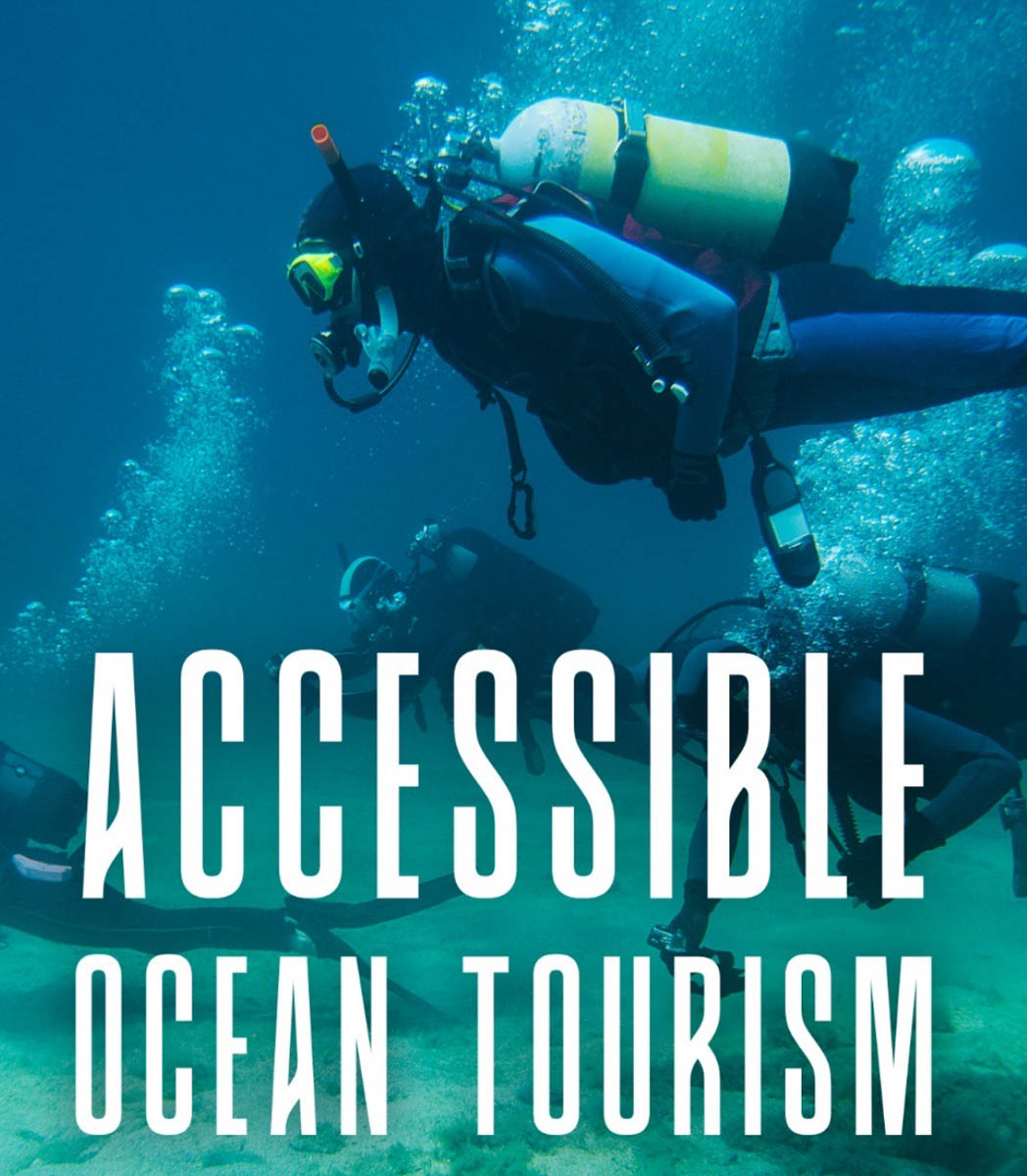
Accessible ocean tourism is rapidly shifting from a niche concern to a defining benchmark of modern dive tourism. As global awareness of disability inclusion, ageing populations, and neurodiversity increases, dive resorts are uniquely positioned to lead a transformation that is both commercially strategic and socially impactful.
Recreational scuba diving is already a major global industry, with an estimated 33.1 million dives annually worldwide, and growing demand for nature-based, high-value tourism experiences in coastal regions . At the same time, research shows that marine tourism can generate significant economic returns while supporting conservation outcomes when managed sustainably .
Within this context, accessible ocean tourism is not simply an ethical add-on—it is an emerging market opportunity and a powerful Corporate Social Responsibility (CSR) pathway.
Accessibility as a New Growth Frontier in Dive Tourism
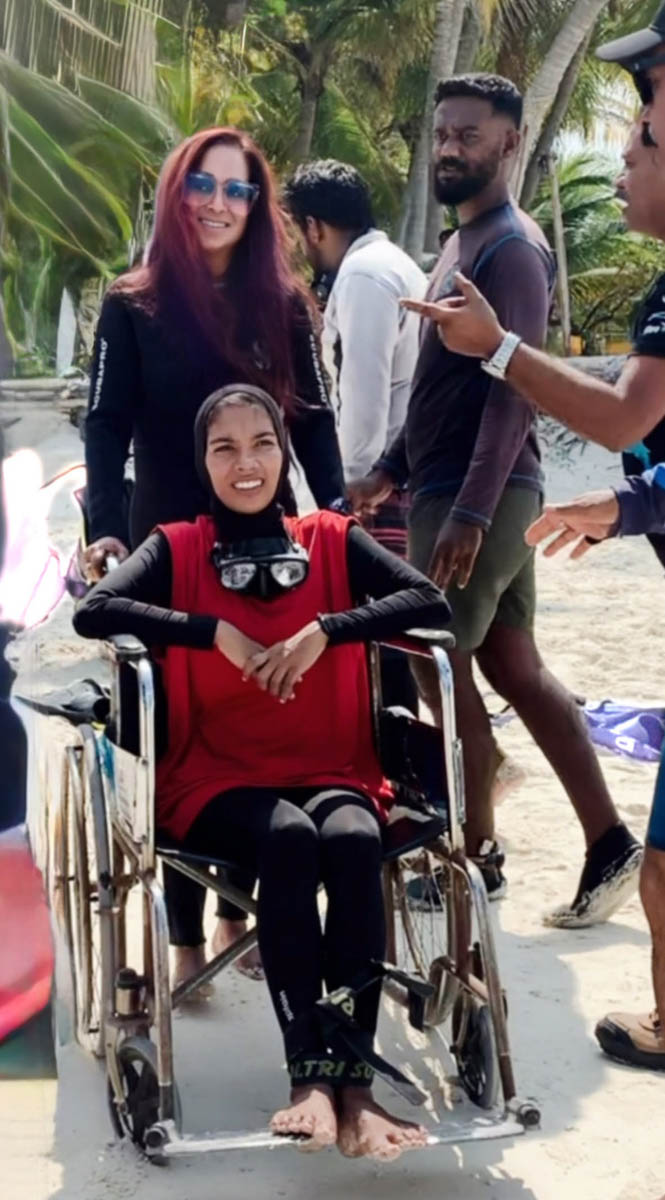
Traditionally, scuba diving has been perceived as physically demanding and limited to able-bodied participants. However, recent studies and industry initiatives show a clear shift toward adaptive diving models, supported by specialised training, equipment modification, and inclusive instruction frameworks.
Research confirms that scuba diving can significantly improve self-esteem, social participation, and quality of life among divers with disabilities, while also functioning as a form of rehabilitation and therapy . This demonstrates that diving is not only accessible—it is transformative.
Moreover, inclusive dive tourism aligns directly with global sustainability frameworks such as the UN Sustainable Development Goals (SDGs), particularly those focused on health, equality, and reduced inequalities.
Commercial Benefits for Dive Resorts
From a business perspective, accessibility is no longer a cost burden—it is a market expansion strategy.
Dive operators who invest in accessibility can benefit from:
- Increased customer base (including disabled travellers, seniors, and neurodiverse tourists)
- Higher loyalty and repeat visitation from underserved markets
- Premium positioning as “inclusive eco-tourism leaders”
- Partnerships with medical tourism and rehabilitation programmes
- Year-round demand from multi-generational travel groups
Importantly, studies in dive tourism economics highlight that divers are willing to pay more for high-quality, well-managed, and environmentally rich experiences—especially within protected or well-managed sites .
Accessibility therefore enhances both social value and revenue resilience.
CSR, Community Engagement, and Indigenous Inclusion
A truly inclusive dive resort does not operate in isolation—it becomes a hub for community empowerment.
1. Volunteer and Citizen Science Networks
Dive resorts can create structured volunteer banks where guests participate in reef monitoring, coral restoration, and biodiversity surveys. This model transforms tourists into citizen scientists, generating ecological data while increasing guest engagement and emotional connection to marine conservation.
2. Indigenous and Local Community Integration
Engaging indigenous coastal communities as dive guides, conservation stewards, and cultural educators ensures that tourism revenue remains locally grounded. This strengthens:
- Cultural preservation
- Employment opportunities
- Traditional ecological knowledge integration
3. Academic Partnerships
Collaboration with universities enables:
- Marine biology internships
- Accessibility innovation research
- Adaptive diving training programs
- Long-term reef monitoring studies
This tripartite model—industry, community, and academia—creates a self-sustaining ecosystem of knowledge and opportunity.
Inclusive Design in Ocean Tourism
To truly become accessible, dive resorts must move beyond intention and into infrastructure and operational design.
Key requirements include:
Physical Accessibility
- Step-free access to boats and dive platforms
- Hoist systems or assisted entry mechanisms
- Adaptive diving equipment (buoyancy aids, modified masks)
Cognitive and Neurodiverse Inclusion
- Simplified dive briefings with visual aids
- Predictable routines and structured environments
- Trained staff in neurodiversity awareness
Senior-Friendly Diving
With ageing populations increasingly seeking adventure travel, adaptive diving also supports:
- Reduced exertion dive profiles
- Enhanced safety protocols
- Medical screening partnerships
Digital Inclusion: The First Point of Accessibility
Accessibility begins long before arrival.
Dive resorts must ensure that their websites and digital media clearly communicate:
- Accessibility features and certifications
- Staff training in adaptive diving
- Real testimonials from disabled divers
- Video walkthroughs of dive operations
- Clear booking pathways for special assistance requests
This digital transparency is often the deciding factor for disabled travellers when choosing destinations.
Leadership Opportunity for the Dive Industry
The global accessibility tourism market is expanding rapidly, yet scuba diving remains underdeveloped in this space. This creates a strategic leadership opportunity for forward-thinking dive resorts.
Research shows that scuba diving tourism is already a multi-billion-dollar sector that contributes significantly to coastal economies and conservation funding . By integrating accessibility, the industry can extend this value chain further—linking profitability directly with inclusion and environmental stewardship.
Conclusion: Empowerment Beneath the Surface
Accessible ocean tourism is not about modifying diving for a few—it is about redefining who belongs in the ocean.
Dive resorts that embrace accessibility become more than tourism operators; they become:
- Conservation partners
- Community employers
- Rehabilitation spaces
- Education hubs
- Global inclusion leaders
By integrating CSR, citizen science, indigenous participation, academic collaboration, and digital accessibility, the dive industry can lead a new era where the ocean is not a privilege for the few, but a shared space for all.
As research increasingly confirms, diving improves wellbeing, social integration, and quality of life for people with disabilities . The question is no longer whether accessibility is possible in ocean tourism but whether the industry is ready to lead it.
