

Affiliate Disclosure: Some content on The Scuba News may include affiliate links. Find out how this supports our work.
Solo travel is no longer a niche trend. Around the world, more people than ever are booking holidays on their own, and scuba diving has become one of the easiest and most rewarding ways to do it.
Unlike many solo travel experiences, diving naturally brings people together. Whether you’re joining a liveaboard in the Red Sea, sharing a dive deck in the Maldives, or exploring remote reefs in Indonesia, you’ll be surrounded by people who already share your passion for the underwater world.
For many divers, travelling solo isn’t about being alone. It’s about freedom. Freedom to choose your destination, your itinerary, your budget, and your next underwater adventure.
The good news is that some dive destinations are particularly well suited to independent travellers. They combine world-class diving with welcoming dive communities, excellent safety records, straightforward logistics, and plenty of opportunities to connect with fellow divers.
Here are some of the best dive destinations in the world for solo divers.
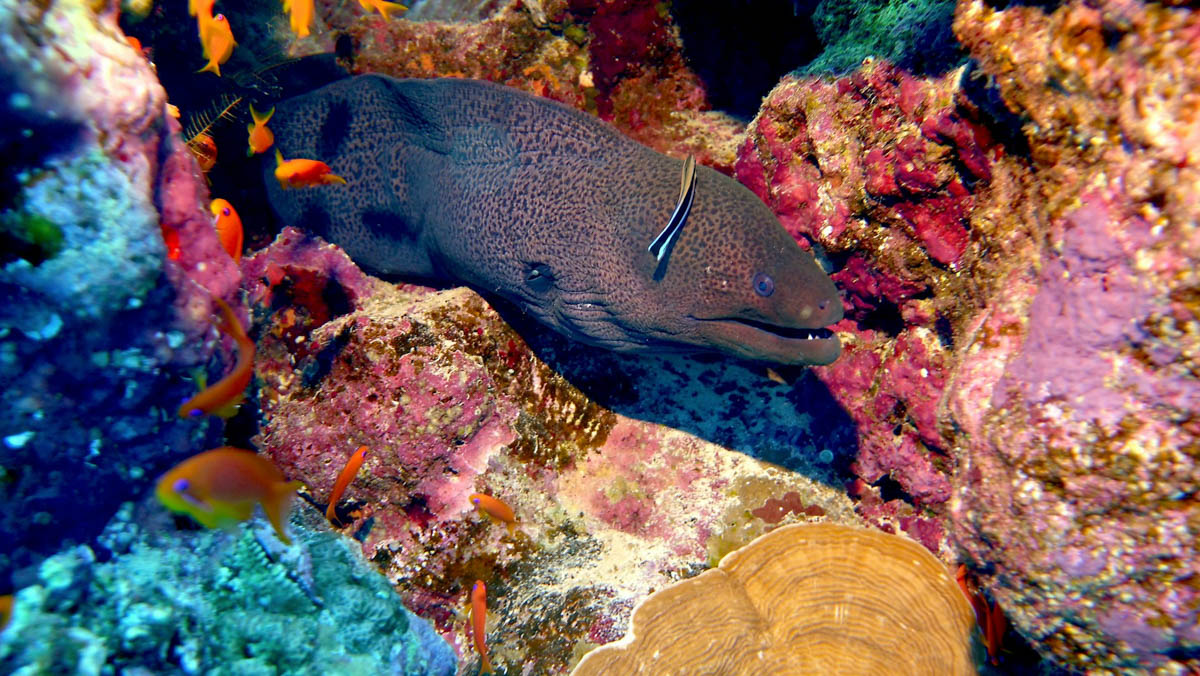
Photo by geoff trodd on Unsplash
Egypt’s Red Sea
Few destinations are as well suited to solo divers as Egypt’s Red Sea.
The region has developed one of the world’s strongest liveaboard industries, offering everything from budget-friendly northern wreck itineraries to shark-focused expeditions in the deep south. Because many guests travel alone, joining a liveaboard rarely feels intimidating.
By the first dive briefing, introductions are already underway. By the end of the week, it’s common to leave with a list of new dive buddies from around the world.
The diving itself is equally impressive. Northern routes offer iconic wrecks such as the SS Thistlegorm and Abu Nuhas, while southern itineraries visit legendary offshore reefs including Brothers, Daedalus and Elphinstone, where oceanic whitetip sharks, hammerheads and large pelagic species are regularly encountered.
The Red Sea also offers some of the best value liveaboard diving on the planet. With dozens of vessels operating year-round, solo travellers can often find excellent availability and competitive pricing.
For divers considering their first solo liveaboard trip, the Red Sea remains one of the easiest and most accessible places to start.
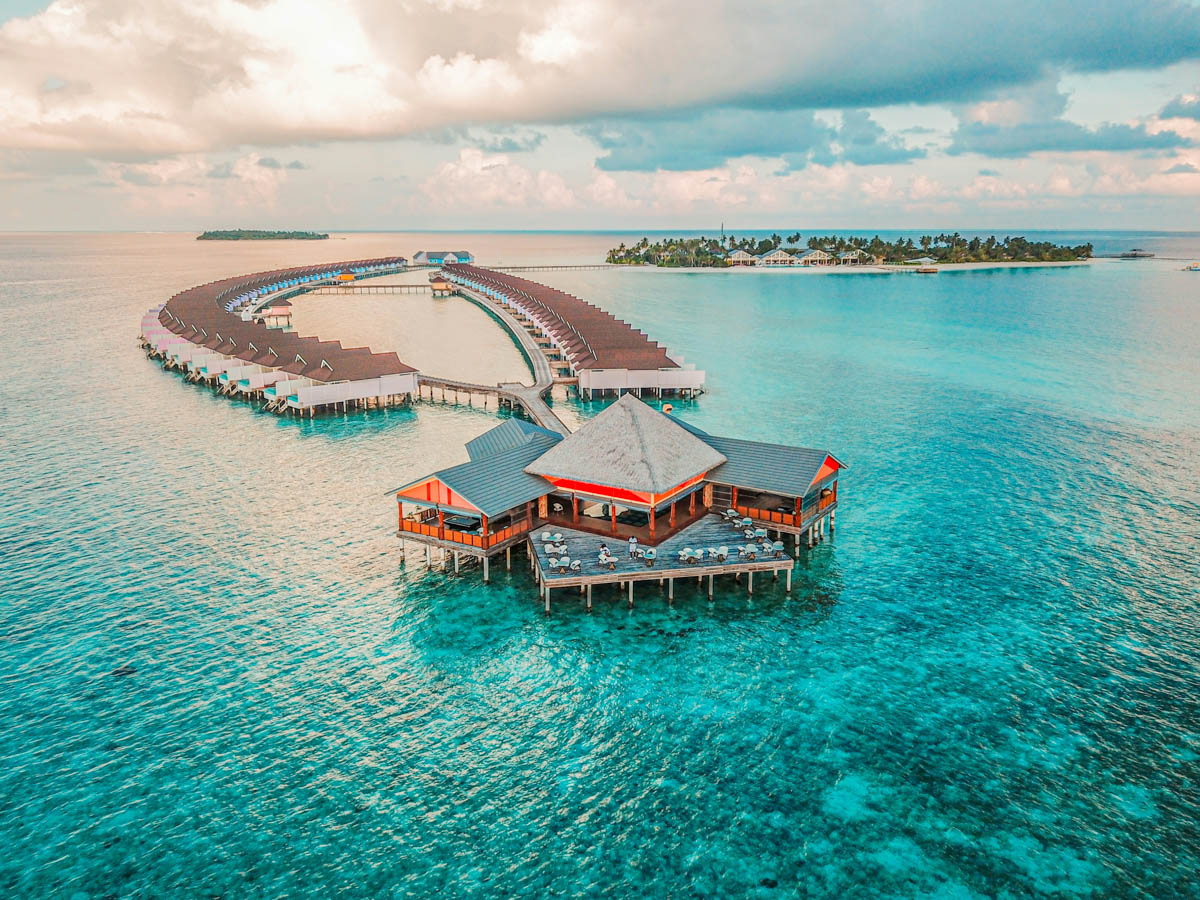
Maldives
The Maldives has become one of the world’s premier destinations for solo dive travellers, particularly those looking for a liveaboard experience.
Unlike resort-based holidays where travellers can sometimes feel isolated, life aboard a dive boat naturally creates a social environment. Divers share meals, marine life encounters, dive briefings and evening conversations under the stars.
The diving is centred around channels, pinnacles and cleaning stations where manta rays, reef sharks, eagle rays and whale sharks are frequently encountered. South Ari Atoll remains one of the most reliable locations anywhere in the world to encounter whale sharks throughout the year.
Many Maldives liveaboards now actively cater to solo travellers, offering shared cabins or dedicated single accommodation options. This has made the destination increasingly attractive to independent divers who want a premium dive experience without travelling with a group.
The combination of luxury, marine life and social atmosphere makes the Maldives one of the most appealing solo diving destinations on Earth.
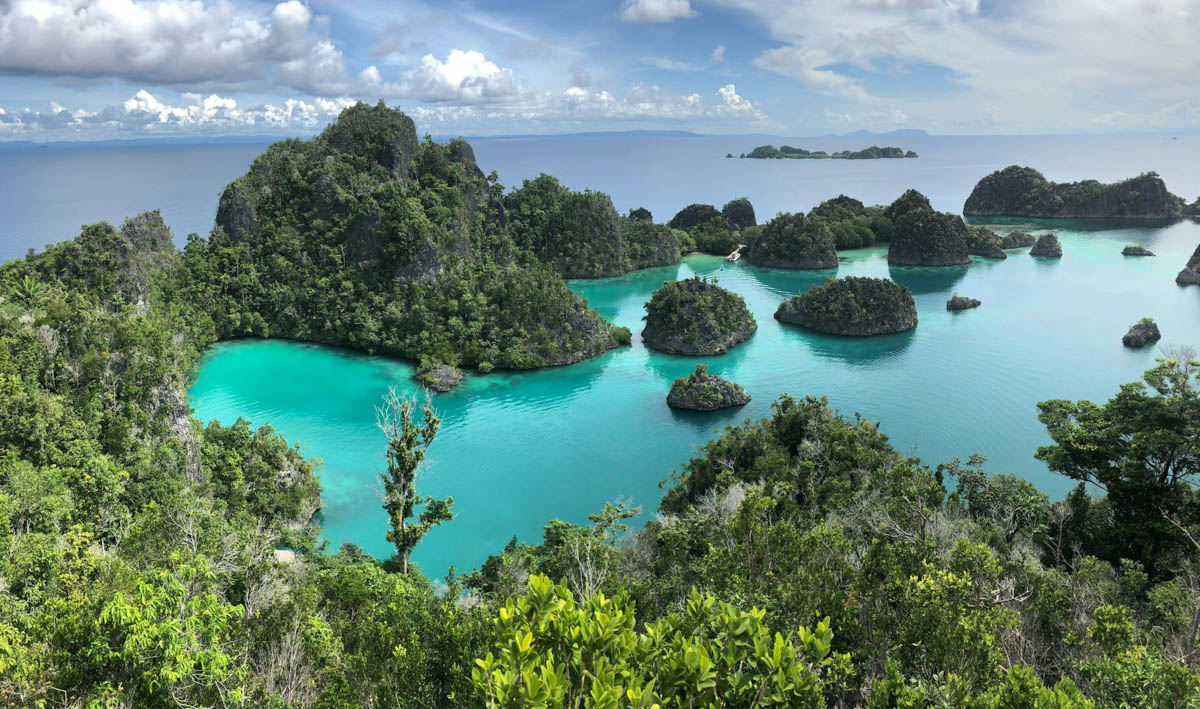
Photo by Bart ter Haar on Unsplash
Raja Ampat, Indonesia
For divers seeking a truly immersive adventure, Raja Ampat sits near the top of every bucket list.
Located in Indonesia’s remote West Papua region, Raja Ampat is widely recognised as the most biodiverse marine ecosystem on the planet. The sheer abundance of life can be overwhelming, with healthy coral reefs, vast schools of fish, manta rays, reef sharks, pygmy seahorses and countless macro subjects all found within the region.
Because of its remote geography, liveaboards provide the best way to explore Raja Ampat’s most famous dive sites.
This creates an ideal environment for solo travellers. Guests spend one to two weeks exploring isolated islands, sharing incredible underwater experiences and forming friendships that often continue long after the trip ends.
Raja Ampat attracts a slightly different crowd than some other destinations. Underwater photographers, marine conservation enthusiasts and experienced divers make up a large proportion of visitors, creating a community built around a shared appreciation of the ocean.
For solo divers looking for something truly special, few destinations can match Raja Ampat.
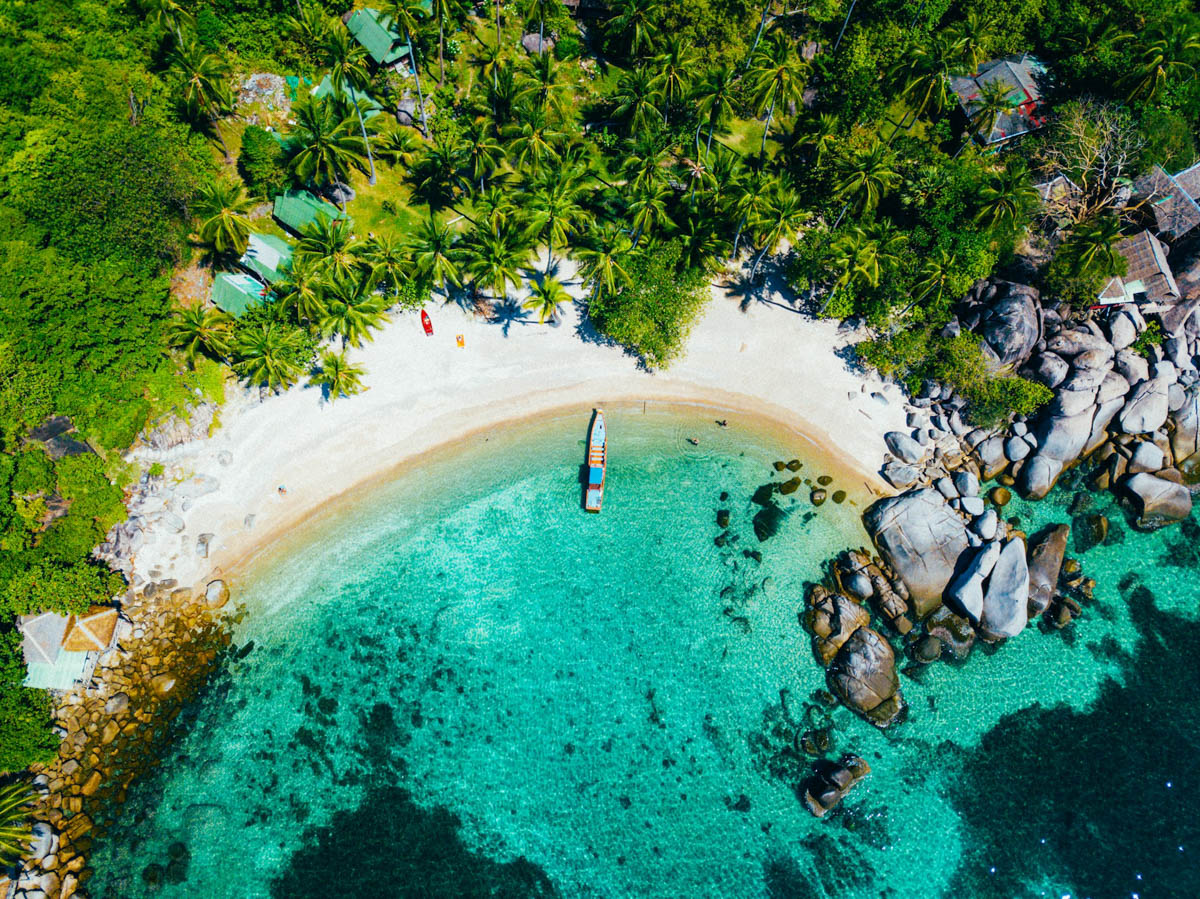
Photo by Max Böttinger on Unsplash
Thailand
Not every solo dive trip needs to involve luxury liveaboards or remote expeditions.
Thailand remains one of the most affordable and accessible dive destinations in the world.
Locations such as Koh Tao have built a reputation for welcoming independent travellers. Dive centres, hostels, cafés and social events create an environment where meeting fellow divers happens naturally.
For newer divers, Thailand offers ideal conditions. Warm water, relatively easy diving, affordable certification courses and excellent infrastructure make it a popular destination for gaining experience and confidence.
More experienced divers can venture further afield to the Similan Islands and Richelieu Rock, where stronger currents, vibrant reefs and encounters with large pelagic species provide a completely different experience.
Thailand’s biggest strength may be its flexibility. Whether you’re travelling for a week or several months, it remains one of the easiest places in the world to combine diving with solo travel.
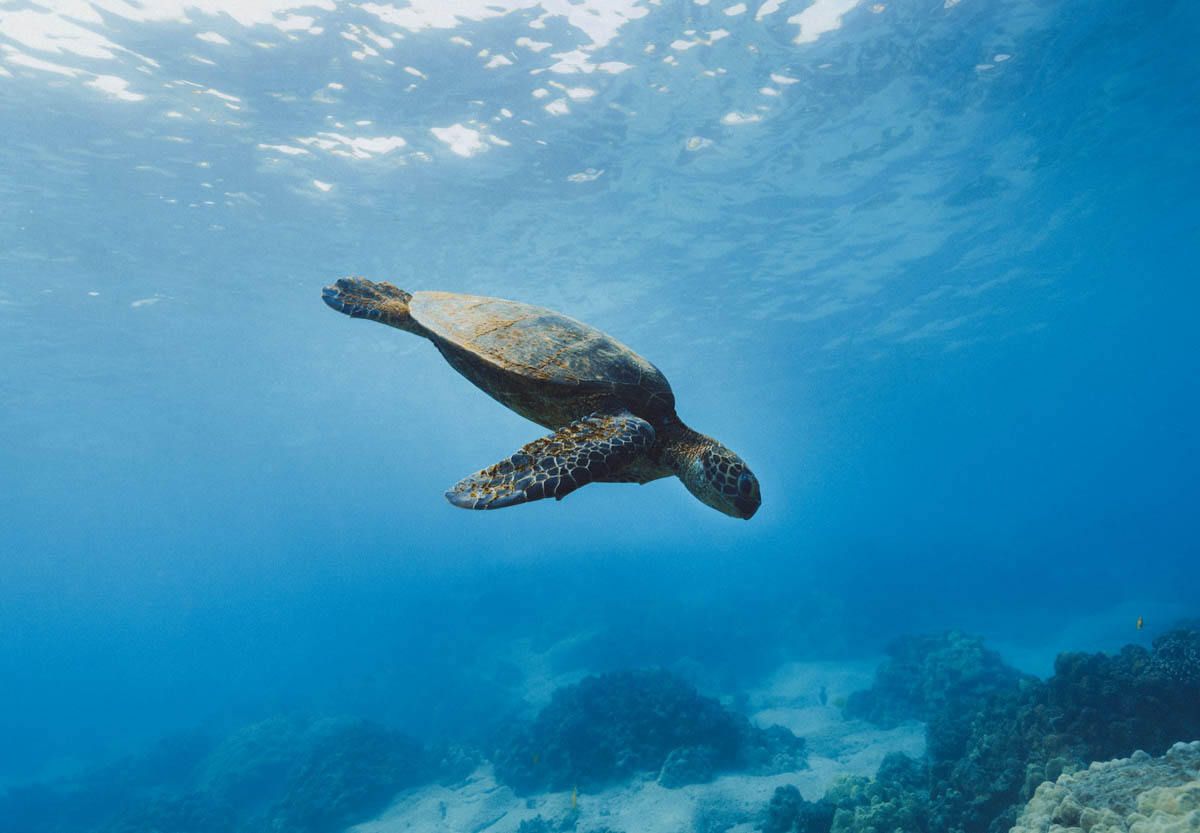
Photo by Jakob Owens on Unsplash
Galápagos Islands, Ecuador
The Galápagos is not a destination most divers visit casually.
It is an expedition, and one that frequently appears on bucket lists around the world.
Strong currents, cooler temperatures and challenging conditions mean the destination is best suited to experienced divers. Those who make the journey, however, are rewarded with some of the most extraordinary wildlife encounters on Earth.
Huge schools of hammerhead sharks, Galápagos sharks, whale sharks, marine iguanas and sea lions are all part of the experience.
Because the most famous dive sites around Wolf and Darwin Islands are only accessible by liveaboard, every guest shares the same objective: experiencing some of the world’s greatest shark diving.
That shared sense of adventure creates a unique atmosphere onboard and makes the Galápagos surprisingly well suited to solo travellers despite its remote location.

Photo by Hiroko Yoshii on Unsplash
Palau
Palau has long been regarded as one of the Pacific’s great diving destinations.
Blue Corner, German Channel and Ulong Channel consistently rank among the world’s best dive sites, attracting divers who want strong currents, abundant marine life and unforgettable underwater action.
Palau appeals particularly to experienced divers and underwater photographers, creating a more focused and passionate diving community than some mainstream destinations.
The country’s relatively remote location also means visitors tend to stay longer, allowing friendships and connections to develop naturally throughout a trip.
For solo divers seeking serious diving without the crowds found elsewhere, Palau deserves a place near the top of the list.
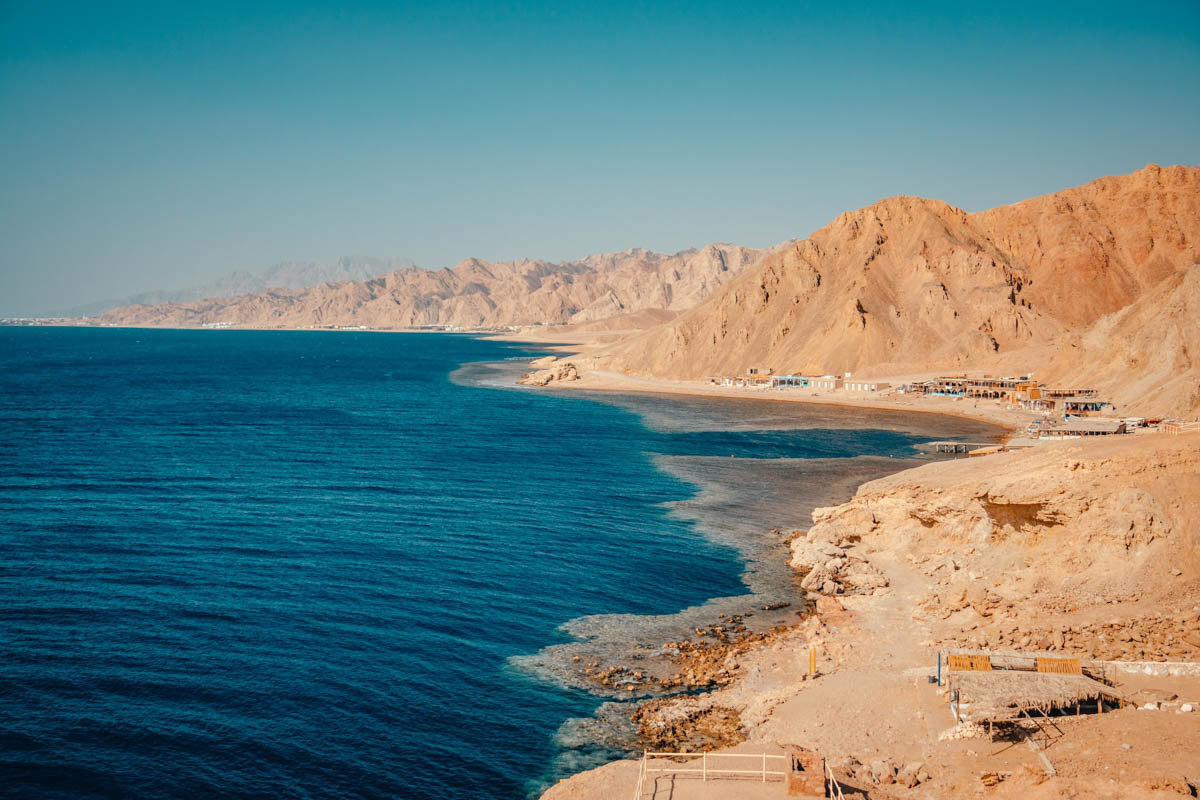
Photo by Raimond Klavins on Unsplash
Dahab, Egypt
Not every solo diver wants to spend a week aboard a liveaboard.
For those who prefer flexibility and independence, Dahab offers one of the most relaxed dive communities in the world.
Located on Egypt’s Sinai Peninsula, this former backpacker town has evolved into a global hub for scuba diving, freediving and remote workers. Divers can spend days exploring famous sites such as the Blue Hole, Canyon and Lighthouse Reef before relaxing in the town’s cafés and restaurants.
What makes Dahab particularly attractive for solo travellers is the ease with which visitors become part of the local diving community. Many divers arrive for a week and stay for months.
For independent travellers seeking a balance between diving, community and lifestyle, Dahab remains one of the world’s standout destinations.
Why Liveaboards Are Ideal for Solo Divers
Although shore diving destinations can be excellent for independent travellers, liveaboards often provide the easiest entry point into solo dive travel.
Everyone onboard shares the same schedule and interests. Conversations happen naturally after dives. Friendships form quickly through shared experiences, whether it’s spotting a whale shark, exploring a famous wreck or enjoying a spectacular sunset after a day underwater.
Many operators now actively accommodate solo travellers through twin-share cabins, roommate matching services and dedicated single occupancy options.
Booking platforms such as Liveaboard.com have also made it easier than ever to compare routes, vessels, cabin options and traveller reviews before committing to a trip.
For divers who are nervous about travelling alone for the first time, a liveaboard can offer the perfect balance of independence and community.
The Bottom Line
The best solo diving destination ultimately depends on what you’re looking for.
If you want affordability and easy social connections, Thailand and the Red Sea are hard to beat.
If luxury and big marine life are your priorities, the Maldives should be high on your list.
For biodiversity and adventure, Raja Ampat stands in a class of its own.
If bucket-list shark encounters are calling, the Galápagos and Palau deliver some of the most exciting diving on the planet.
And if you’re looking for freedom, flexibility and a welcoming dive community, Dahab remains one of diving’s best-kept secrets.
One thing is certain: solo diving has never been more popular, and it has never been easier. Whether you join a liveaboard, book a dive resort, or simply pick a destination and go, you’ll quickly discover that travelling alone rarely means diving alone.
