




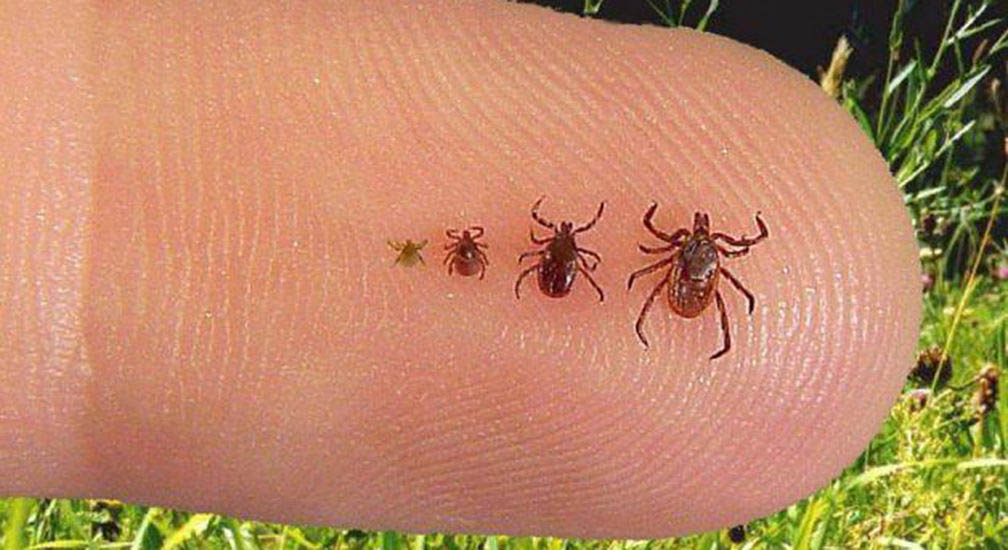

Experts from the Canadian Tick Research and Innovation Centre recently warned that a slow-moving “wave of ticks” is migrating north from the United States into Canada, with Ontario right in the path.

Due to changing climates—where the southern U.S. is becoming too dry and Ontario is getting warmer and more inviting—tick populations are expanding their geographic range.

Yes, ticks are dangerous in Ontario. For Greater Toronto Area (GTA) homeowners, the days of dismissing these pests as a “cottage country problem” are over. Toronto ravines, Mississauga conservation areas, Hamilton escarpment trails, and even suburban backyards across the region now harbour established blacklegged tick populations.

What’s in the “Wave”?
While the established Blacklegged tick (deer tick) population continues to grow and spread Lyme disease across the province, scientists are tracking a new invader moving north at a pace of about 50 kilometers per year:
- The Lone Star Tick: This species has been increasingly detected near the Ontario border. While it doesn’t transmit Lyme disease, its bite can trigger Alpha-gal syndrome (AGS)—a serious, potentially life-threatening allergy to red meat and dairy.
- Other Pathogens: Beyond Lyme disease, public health officials are tracking a rise in other tick-borne illnesses like Anaplasmosis, and the rare but severe Powassan virus.
How to Protect Yourself and Your Pets
Because tick season is starting earlier and expanding into areas where they didn’t used to be (including short lawns and driveways), public health units have updated their guidelines. Here is your defense playbook for this summer:
1. Gear Up and Spray Down
- Use the Right Repellent: Look for bug sprays containing DEET or Icaridin.
- Dress Smart: Wear long sleeves and pants. Tuck your pant legs into your socks (it looks goofy, but it works). Light-colored clothing makes it much easier to spot a crawling tick before it bites.
2. The Post-Outdoor Routine
- Do a Daily “Tick Check”: Check yourself, your kids, and your pets immediately after spending time outdoors. Pay close attention to hidden spots like behind the knees, the groin, armpits, and behind the ears.
- Hit the Shower: Showering within two hours of coming indoors can wash away loose, unattached ticks.
- The Dryer Trick: Throw your outdoor clothes into the dryer on high heat for at least 10 minutes. The dry heat kills any ticks clinging to the fabric (washing them alone won’t always do it).
3. Protect Your Pets
- Because pets can easily bring ticks inside the house, ensure your dogs and cats are on a vet-approved monthly tick preventative treatment.
What to do if you find a tick: If a tick has attached to you, use fine-tipped tweezers to grasp it as close to the skin’s surface as possible and pull straight upward with steady pressure. If the tick was attached for more than 24 hours, contact a healthcare provider or a pharmacist, as you may require a preventative dose of antibiotics. You can also use online photo identification tools (like eTick.ca) to find out exactly what species bit you.
Lyme Disease
Early signs and symptoms of Lyme disease may include:
- rash
- fever
- chills
- fatigue
- headache
- swollen lymph nodes
- muscle and joint aches
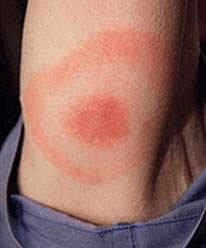
Canadian Public Health Website
If you become ill
Early diagnosis and treatment of Lyme disease can prevent complications. See your health care provider right away if you’ve been:
- bitten by a tick and develop symptoms of Lyme disease
- to an area where blacklegged ticks or western blacklegged ticks may be found and develop symptoms of Lyme disease
Early diagnosis and treatment of Lyme disease are crucial to preventing serious long-term complications. You should consult your healthcare provider right away if you develop symptoms of Lyme disease (above) after being bitten by a tick, or if you experience symptoms after visiting an area where blacklegged or western blacklegged ticks are known to live.
Comments