


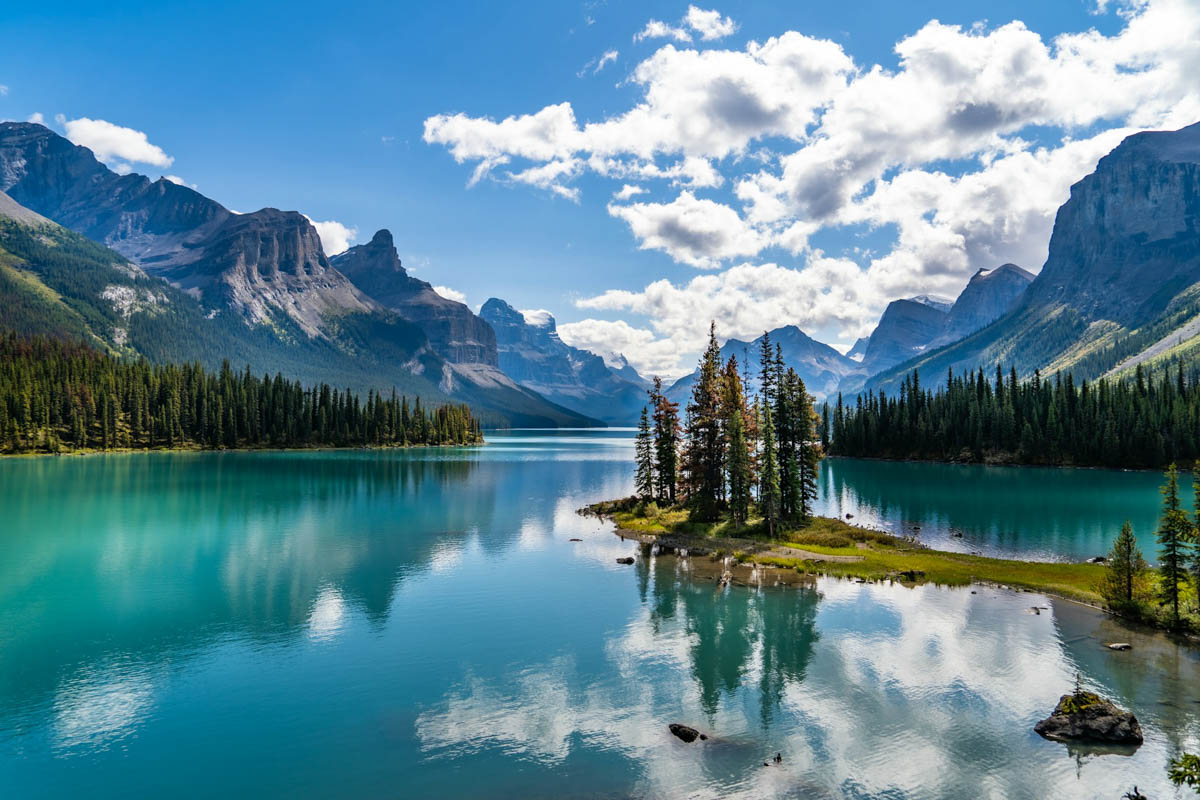

Jasper, Alberta has some of the most stunning, crystal-clear glacier-fed waters, so getting official, responsible access to these five lakes is a huge win. Lac Beauvert and Lake Edith especially have incredible visibility that will make for some beautiful dives.
It’s also great to see Parks Canada balancing access with strict protection. Given how devastating Whirling Disease and zebra mussels can be to these pristine ecosystems, that 48-hour Clean, Drain, Dry rule is going to be the golden rule for keeping these lakes open for years to come.
Read the Scuba News Canada Article on Whirling Disease

The Alberta Underwater Council (AUC) has received official confirmation from the Jasper Park office! Parks Canada has formally designated 5 specific lakes within Jasper National Park’s Water Recreation Zone for recreational scuba diving for the 2026 season.
Approved Lakes for Diving:
- Lake Edith
- Lake Annette
- Lac Beauvert
- Pyramid Lake
- Patricia Lake (Home of the historic WWII Project Habbakuk wreck site)
CRITICAL NOTE : Scuba diving remains strictly prohibited in all other waterbodies within Jasper National Park to protect sensitive ecological zones.
Mandatory Aquatic Invasive Species (AIS) Protocols
To keep these waters open and protect them from devastating threats like whirling disease and zebra/quagga mussels, all divers must strictly adhere to Parks Canada’s AIS prevention rules:
- CLEAN, DRAIN, DRY: Thoroughly clean all mud, plants, and debris from all gear and equipment (including suits, BCDs, regulators, and booties) and drain all water before leaving the site.
- 48-HOUR DRY TIME: Ensure all equipment stays completely dry for a minimum of 48 hours before entering any other waterbody within Alberta, BC, or the territories. (Note: If your gear was last used outside of these areas, a 30-day dry time is required).
This is a massive milestone for responsible access in our national parks. Let’s do our part, follow the rules, keep our gear clean, and show Parks Canada that the diving community is a premier partner in conservation.
Comments