



The completion and release of The Viking is a haunting chapter in film history because the movie was essentially finished before the tragedy—the director died trying to make it “perfect.”
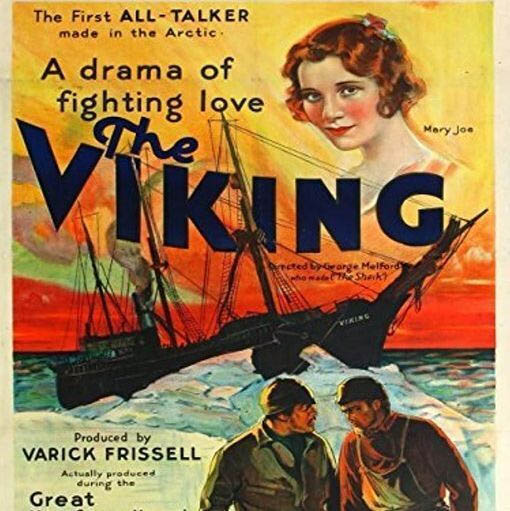
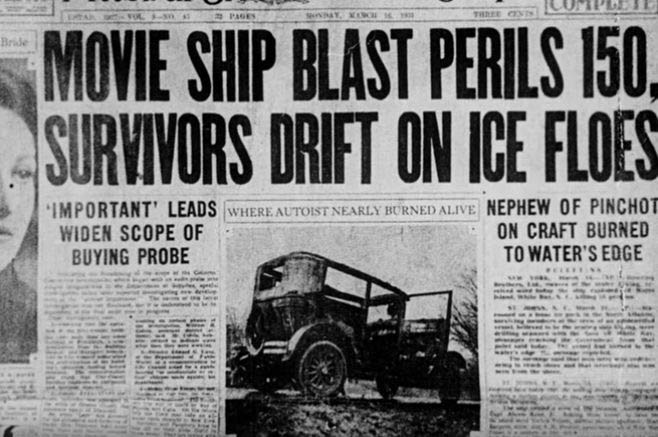
The history of cinema is often marked by ambition, but few stories are as tragic as the disaster that struck the SS Viking on March 15, 1931.

The SS Viking was a wooden-hulled sealing vessel that earned a somber place in cinematic history due to its involvement in the 1931 production of The Viking. While the ship was actively engaged in the Newfoundland seal hunt, it was hired on two separate occasions by the film’s production team to capture authentic footage of the grueling industry.

Tragedy struck during the second expedition when a catastrophic onboard explosion tore the vessel apart. The disaster resulted in 28 fatalities, including the film’s director, Varick Frissell, and cinematographer Alexander Gustavus Penrod, alongside 26 other members of the maritime and film crews. This event remains one of the most devastating accidents ever associated with a motion picture location shoot.
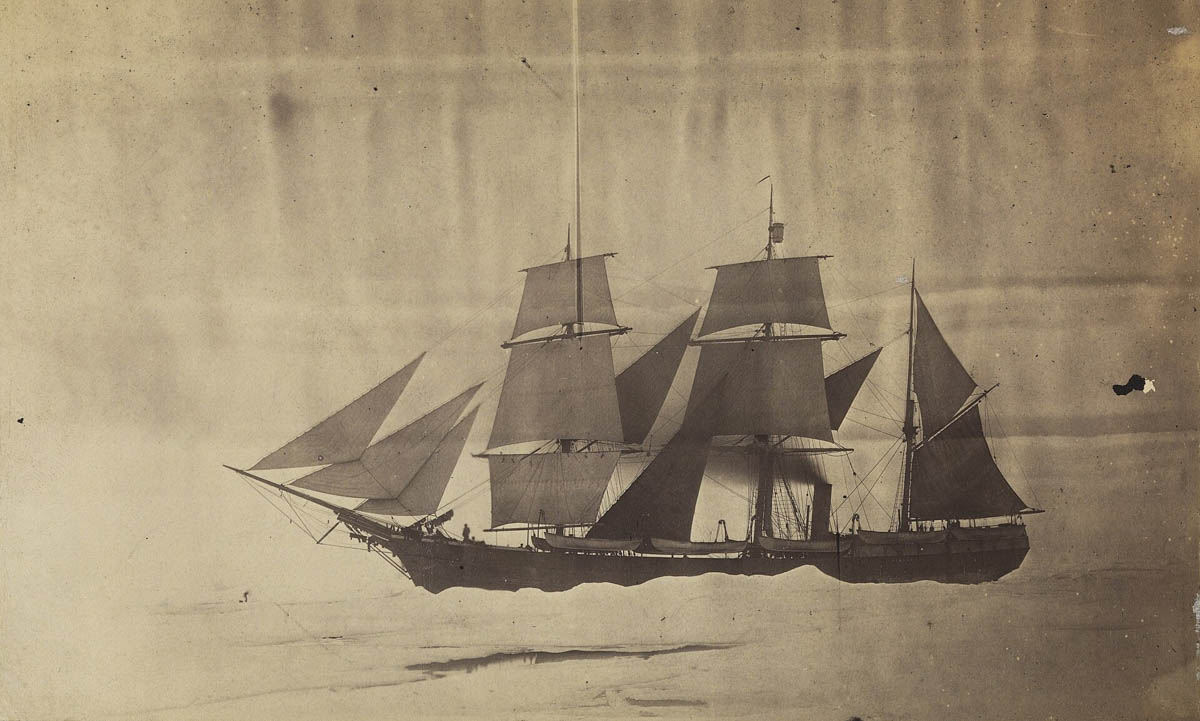
The SS Viking originated from the Nylands Shipyard in Christiania (now Oslo), Norway, where it was constructed in 1881 and launched the following year. This 310-ton vessel was built at the same facility as the Southern Cross, another ship that became well-known in Newfoundland maritime history. Although modest in size, the Viking was equipped with a 90-horsepower auxiliary engine and was remarkably capable, with the capacity to carry a crew of up to 276 men.

During its early years, the ship was a fixture in the Greenland seal hunt. It also gained historical significance in 1882 when the famed Norwegian explorer Fridtjof Nansen selected the vessel for his inaugural voyage into the Arctic.
In 1904, the ship was integrated into the Newfoundland sealing trade after being purchased by the St. John’s-based firm Bowring Brothers.
In 1930, director Varick Frissell—who specialized in the film’s location-based “actuality” footage—embarked on two separate expeditions to the ice fields, first aboard the SS Ungava and later on the Viking. During this 1930 voyage, the Viking was helmed by the legendary Captain Bob Bartlett, the son of the ship’s original master. In a blend of reality and fiction, Bartlett was also cast as “Captain Barker,” the skipper in the movie’s script.
The Turning Point
By early 1931, the project—then titled White Thunder—was previewed for audiences at the Nickel Theatre in St. John’s. However, Paramount was not yet convinced and passed on releasing the film in its current state.
Determined to enhance the movie’s impact with more dramatic footage, Frissell organized one final trip. Along with his cinematographer Alexander G. Penrod, assistant H. Sargent, and their crew, he re-chartered the Viking for the journey that would ultimately end in disaster.
Under the command of Captain Abram Kean Jr., the SS Viking departed port on March 9, 1931, carrying 138 sealers, two stowaways, and the dedicated film crew. By the evening of March 15, the vessel encountered formidable ice off White Bay. To secure the ship for the night, Captain Kean ordered it to be wedged into the ice pack.
At approximately 9:00 p.m., a massive explosion tore through the ship’s stern, likely killing the film crew instantly as they gathered in the saloon. The blast ignited a fire, forcing the remaining men onto the surrounding ice floes. Despite suffering severe injuries, Captain Kean survived. While many survivors managed a grueling 8-mile (13 km) trek across the ice to Horse Island, others were plucked from the floes by the rescue steamers Foundation Franklin and Sagona. In total, the disaster claimed 28 lives, including director Varick Frissell and cinematographer A.G. Penrod.
A government inquiry into the sinking was unable to pinpoint a precise trigger, concluding only that the explosives magazine had detonated. The commission’s report suggested that the ship’s supply of gunpowder had been handled improperly.
“Dynamite was a standard provision on sealing vessels, essential for blasting through heavy ice to prevent the ship from becoming permanently trapped.” — Sir Wilfred Grenfell (from the film’s prologue)
To this day, the event remains one of the most fatal accidents in the history of the film industry, serving as a somber reminder of the risks taken during the early era of location scouting and action photography.
Comments