





It truly is a one-in-a-million find—or, more accurately, a one-in-50-million find.
The discovery of a bicolor lobster by the Wellfleet Shellfish Company is truly a one-in-50-million find. Hauled in by the fishing vessel Timothy Michael off the coast of Cape Cod on April 16, 2026, the lobster features a nearly perfect vertical split down its body, with one side displaying a traditional mottled brown and the other a vibrant orange-red. This striking appearance is the result of a rare genetic condition called chimerism, which occurs when two fertilized eggs fuse early in development, giving the lobster two distinct sets of DNA.
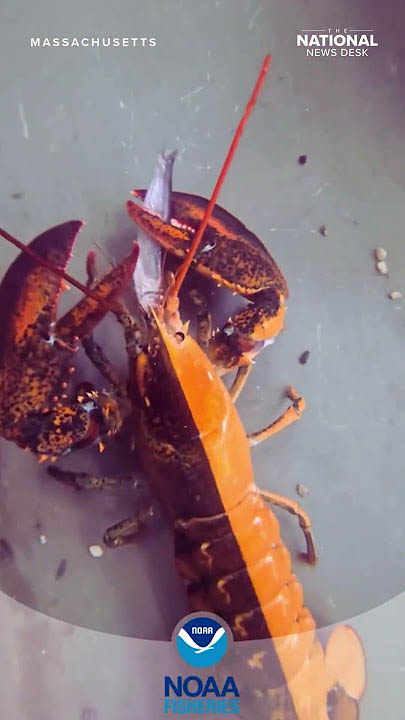
Because its bright colors would make it an easy target for predators in the wild, the company chose to spare the rare crustacean from the dinner table. It has since been donated to the Woods Hole Science Aquarium in Falmouth, Massachusetts. While the aquarium is currently undergoing renovations, the lobster is being cared for at the Marine Biological Laboratory and is expected to become a star attraction when the public facilities reopen in early 2027. It is a remarkable outcome for both marine science and the lobster, which managed to beat incredible odds both in its biology and its survival.

Comments