


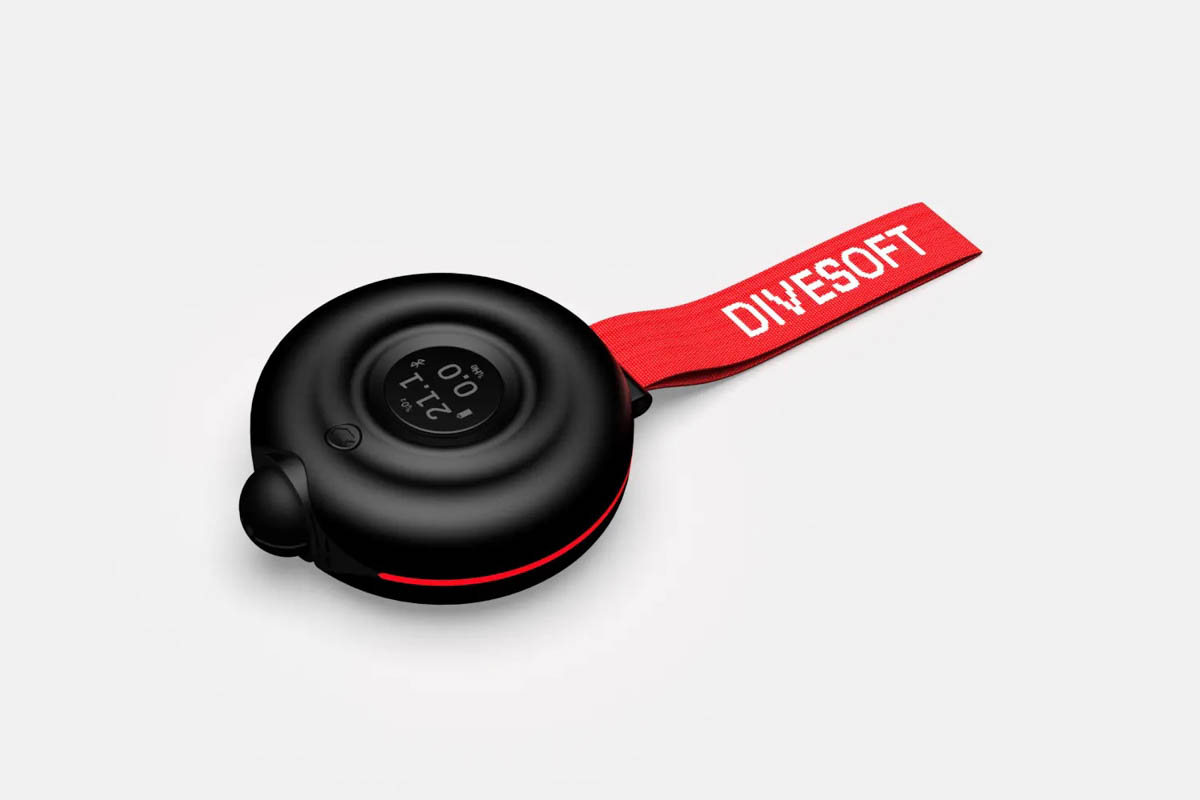
Divesoft has officially unveiled its next-generation ECHO gas analyzer, a device designed to simplify and elevate how divers measure and manage breathing gases.
For anyone involved in nitrox or trimix diving, gas analysis is not optional, it is a critical safety step. What the ECHO does is bring together precision, flexibility, and modern workflow integration into a single compact unit that feels built for how divers actually operate today.
Precision Where It Matters Most
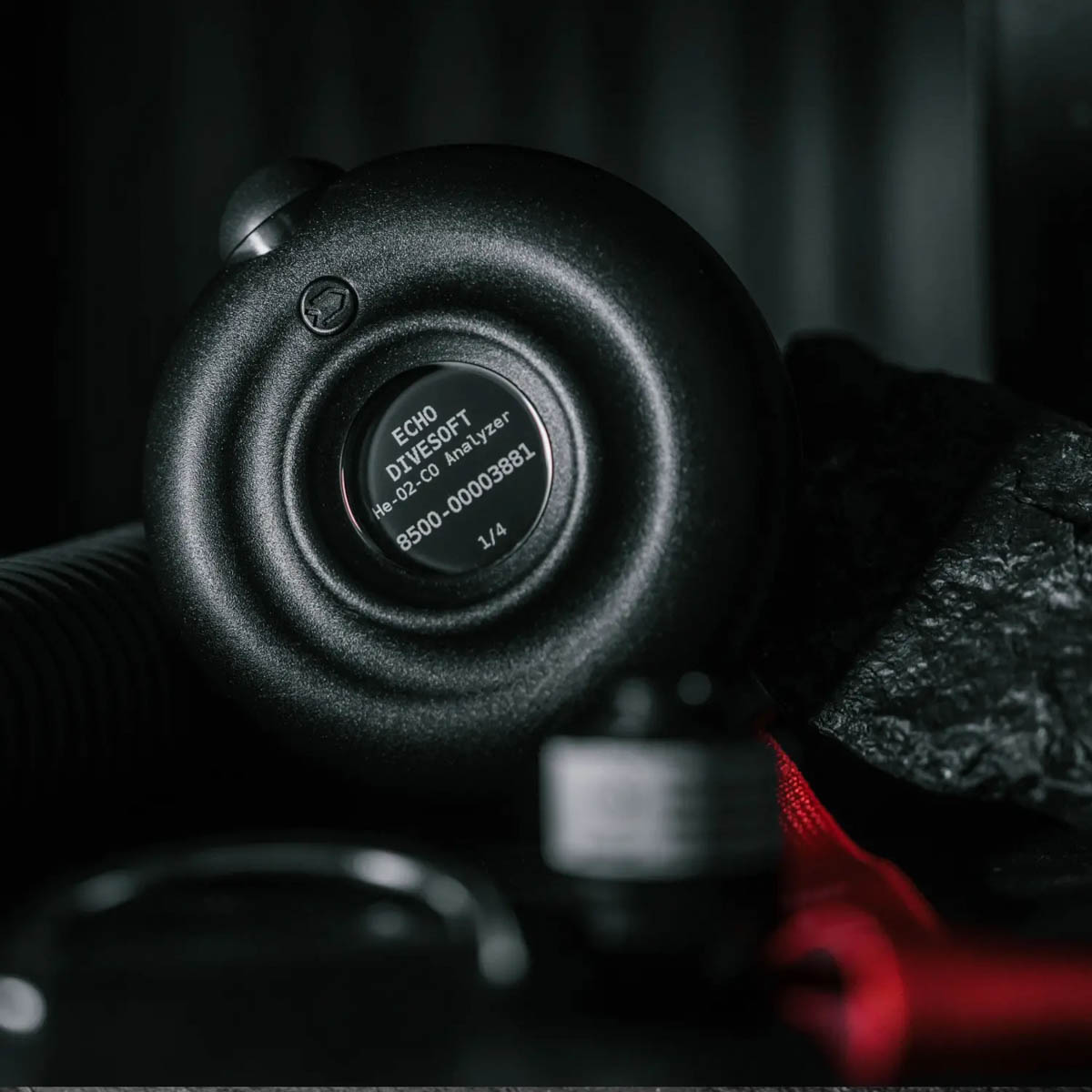
At the heart of the ECHO is its ability to deliver accurate, real-time readings across multiple gases:
- Oxygen from 0 to 100 percent with 0.1 percent resolution
- Helium from 0 to 100 percent using an acoustic speed-of-sound method
- Carbon monoxide monitoring for added safety assurance
This combination immediately sets it apart from many traditional analysers that focus only on oxygen. For technical divers, blending operations, and dive centres, having reliable helium analysis in the same unit removes friction from the entire process.
The inclusion of carbon monoxide measurement is equally important. While often overlooked, CO contamination is one of the most serious risks in compressed gas, and having that visibility adds an extra layer of confidence before any dive.

Flexible Sensor Technology, Less Hassle Over Time
One of the more practical upgrades is the option to use either a traditional galvanic oxygen sensor or a maintenance-free solid-state sensor.
Galvanic sensors are familiar and widely used, but they require periodic replacement. Solid-state sensors, on the other hand, reduce long-term maintenance and can provide greater stability over time.
Giving users the choice means the ECHO adapts to different preferences, budgets, and operational setups rather than forcing a single approach.

Built for Real Diving Workflows
Where the ECHO really starts to differentiate itself is in how it fits into modern dive operations.
With Bluetooth LE connectivity and integration into the Divesoft app, the analyzer becomes part of a connected system rather than a standalone tool. Gas analysis results can be logged, managed, and used within broader blending workflows, including gas label printing.
For dive centres and liveaboards, this has real operational value. It reduces manual steps, improves consistency, and helps standardise processes across staff and guests.
For individual divers, it simply makes life easier and more organised, especially when dealing with multiple cylinders or complex mixes.

Designed for the Real World, Not the Workbench
The ECHO is clearly built with practical use in mind.
A high-reflective TFT display ensures readings remain visible even in bright sunlight, something that matters on a busy dive deck. The rechargeable lithium-ion battery delivers up to 100 hours of operation, meaning it is more than capable of handling extended trips without constant recharging.
USB-C charging keeps things simple and compatible with modern gear setups.
In terms of form factor, it remains compact and easy to handle, with a design that works equally well in a workshop, on a boat, or in the field.

Why This Matters for Divers Right Now
Gas analyzers have not changed dramatically for years. Most divers are used to single-gas devices, manual logging, and a certain amount of friction in the process.
The ECHO represents a shift toward:
- Multi-gas capability in one unit
- Reduced maintenance options
- Connected, app-driven workflows
- Greater safety awareness with CO monitoring
For anyone regularly diving nitrox or trimix, or running a dive operation, that combination is not just convenient, it is a meaningful upgrade.
Should You Be Considering One?
If you are:
- A technical diver working with helium mixes
- A dive centre or liveaboard managing multiple cylinders daily
- A diver who wants a more streamlined, modern workflow
Then the ECHO is not just another piece of gear, it is a tool that can genuinely improve how you operate.

The Scuba News Review Coming Next
The Scuba News team already has the ECHO analyzer in hand.
This launch coverage is the first look. Our full hands-on review is coming next, where we will test accuracy, usability, real-world workflow integration, and whether it truly delivers on its promise.
If you are considering upgrading your current analyzer, this is one to watch closely.
Comments