




There are dive destinations where you travel with one particular encounter in mind.
Then there is Inhambane.
Here, heading out across the Indian Ocean can feel considerably less predictable. A planned reef dive might produce a manta ray sweeping through the blue. A surface interval can suddenly be interrupted by a breaching humpback whale. A whale shark might appear during an ocean safari, while underwater the reef itself can reveal everything from nudibranchs and mantis shrimp to rays, sharks and schooling fish.
That unpredictability is a large part of the appeal.
Situated on Mozambique’s southeast coast, the wider Inhambane diving region encompasses destinations including Tofo and Barra, combining offshore reefs with nutrient-rich waters and some of southern Africa’s most recognisable marine megafauna.
But reducing Inhambane to whale sharks and manta rays misses much of what makes the destination interesting.
An Ocean That Does Not Follow a Script
Perhaps the most important thing for divers to understand about Inhambane is that conditions are dynamic.
This is open Indian Ocean diving. Currents, swell, visibility, water temperature and marine activity can change, sometimes considerably.
That means the best dive site on Tuesday is not necessarily the best choice on Wednesday.
At SEE Activity Center, based at Barra Beach, the team selects sites according to conditions, diver experience and recent marine activity rather than simply heading repeatedly to the region’s best-known reefs.
It is an approach that makes sense in an area with more than 20 dive sites and underwater environments ranging from relatively shallow reefs to deeper offshore structures.
For visiting divers, flexibility is therefore valuable.
Instead of arriving with a checklist built around one animal or one famous reef, allowing several days to explore the region provides a much better opportunity to experience what Inhambane actually offers.
Manta Rays Remain Part of the Magic
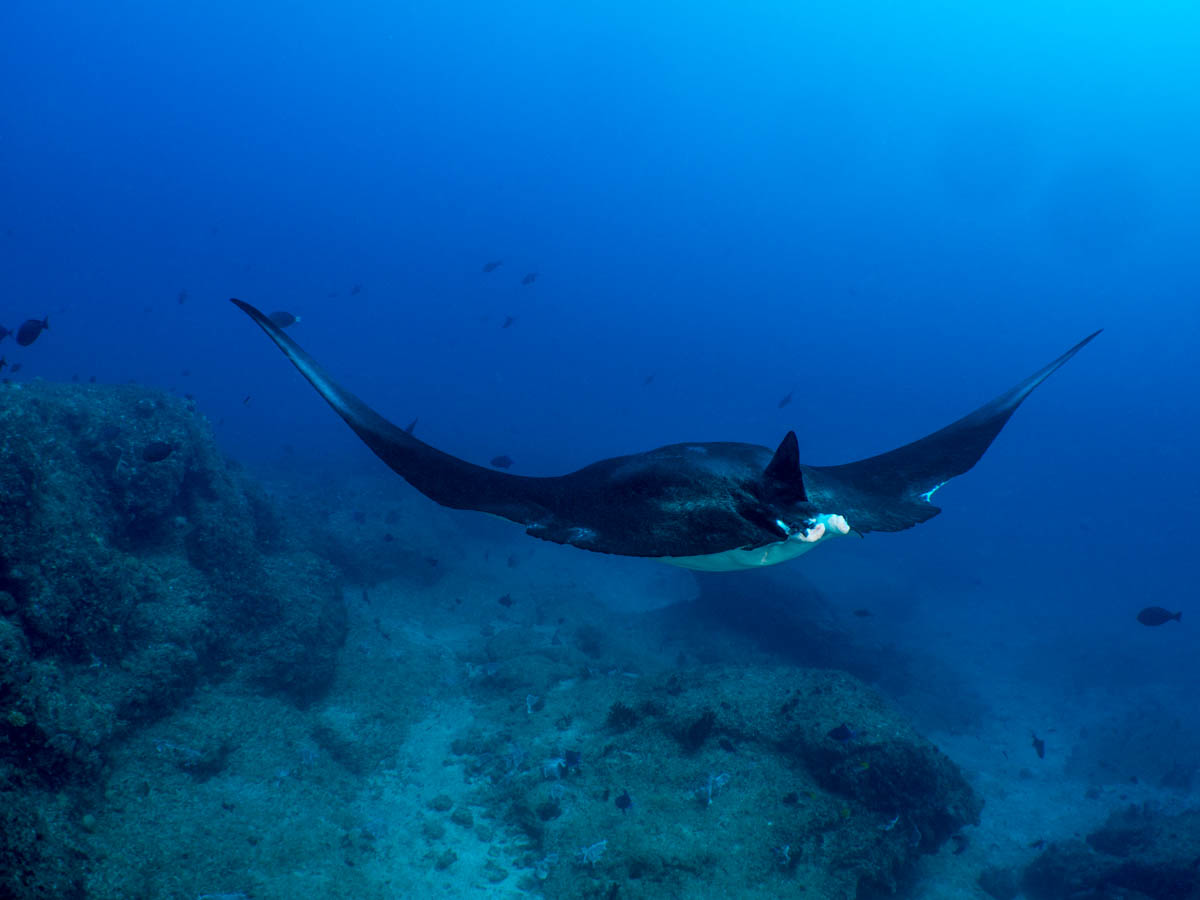
Manta rays have played an enormous role in establishing Inhambane’s international diving reputation.
Seeing one underwater remains an extraordinary experience.
The first indication can be little more than a dark silhouette in the distance. Within moments, the animal may be passing overhead, seemingly moving without effort.
But mantas are wild animals, and sightings should never be treated as guaranteed.
Environmental conditions, food availability and movements through the region all influence encounters. That is one reason divers visiting Inhambane are better served by exploring several reefs rather than building an entire trip around the expectation of seeing mantas at a particular location.
It is also why some of the most memorable encounters are the unexpected ones.
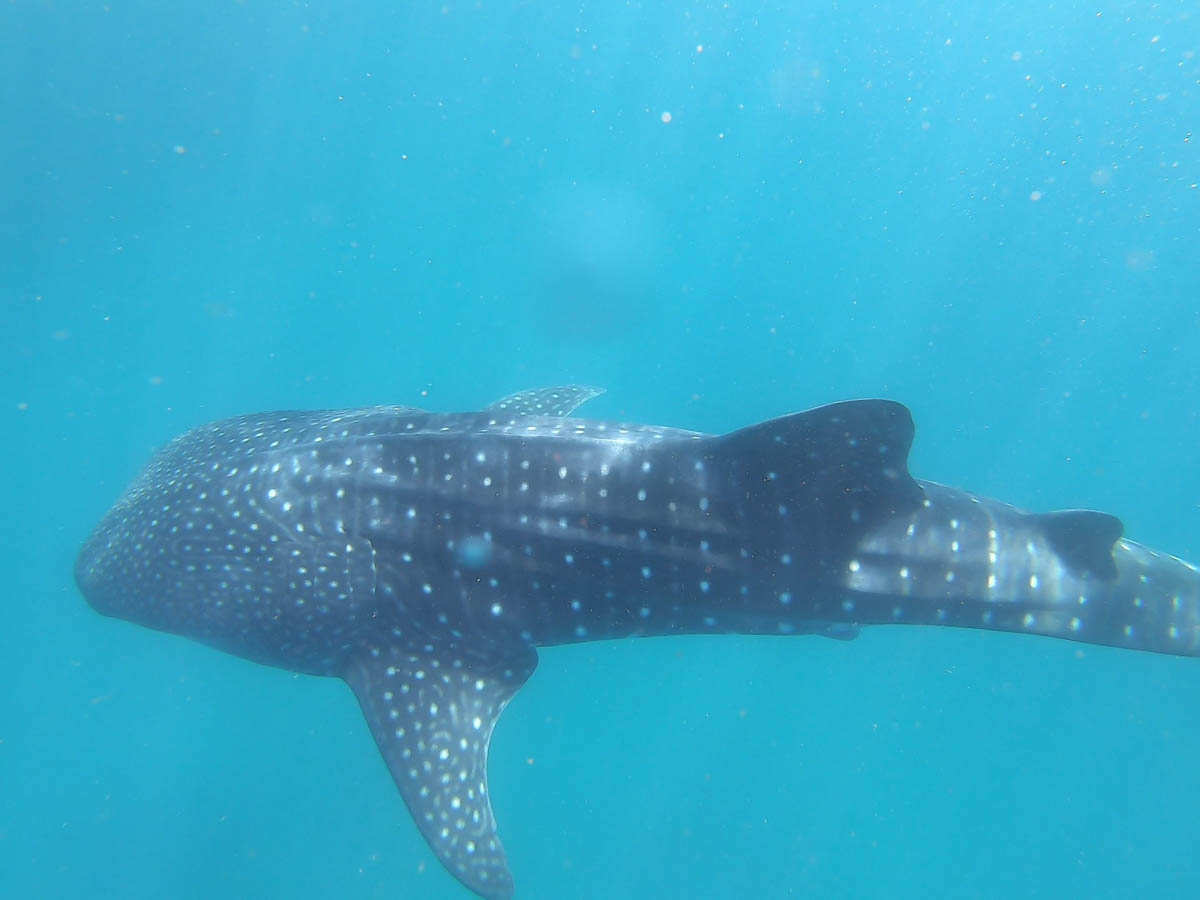
Image credit: SEE Activity Center
Whale Sharks Beyond the Brochure
The whale shark is another animal synonymous with this stretch of Mozambique.
The wider Inhambane region is internationally known for whale shark encounters, but again, patience and realistic expectations matter.
Most encounters take place close to the surface, which makes dedicated ocean safaris an important addition to a scuba itinerary rather than something divers should expect to experience regularly underwater.
SEE Activity Center recommends allowing several days rather than relying upon a single trip.
It is good advice for almost any wildlife-focused dive holiday.
The more time spent on and beneath the water, the greater the opportunity to experience the region as it actually is rather than trying to force nature into a holiday timetable.
When the Whales Arrive
There is another reason the middle of the year can be particularly memorable.
Humpback whales migrate through Mozambique’s coastal waters during the southern African winter and spring, bringing the possibility of sightings from boats and shore.
SEE describes the migration period as running broadly from June into the later part of the year, although timing and activity naturally vary.
During the migration, the whales can become part of the entire diving experience.
A breach during a surface interval is dramatic enough. Underwater, however, divers can sometimes hear humpback song carrying through the ocean despite the animals themselves being nowhere in sight.
It is one of those experiences that cannot easily be reproduced elsewhere.
SEE currently promotes dedicated whale-watching experiences during the migration period alongside its diving programme.
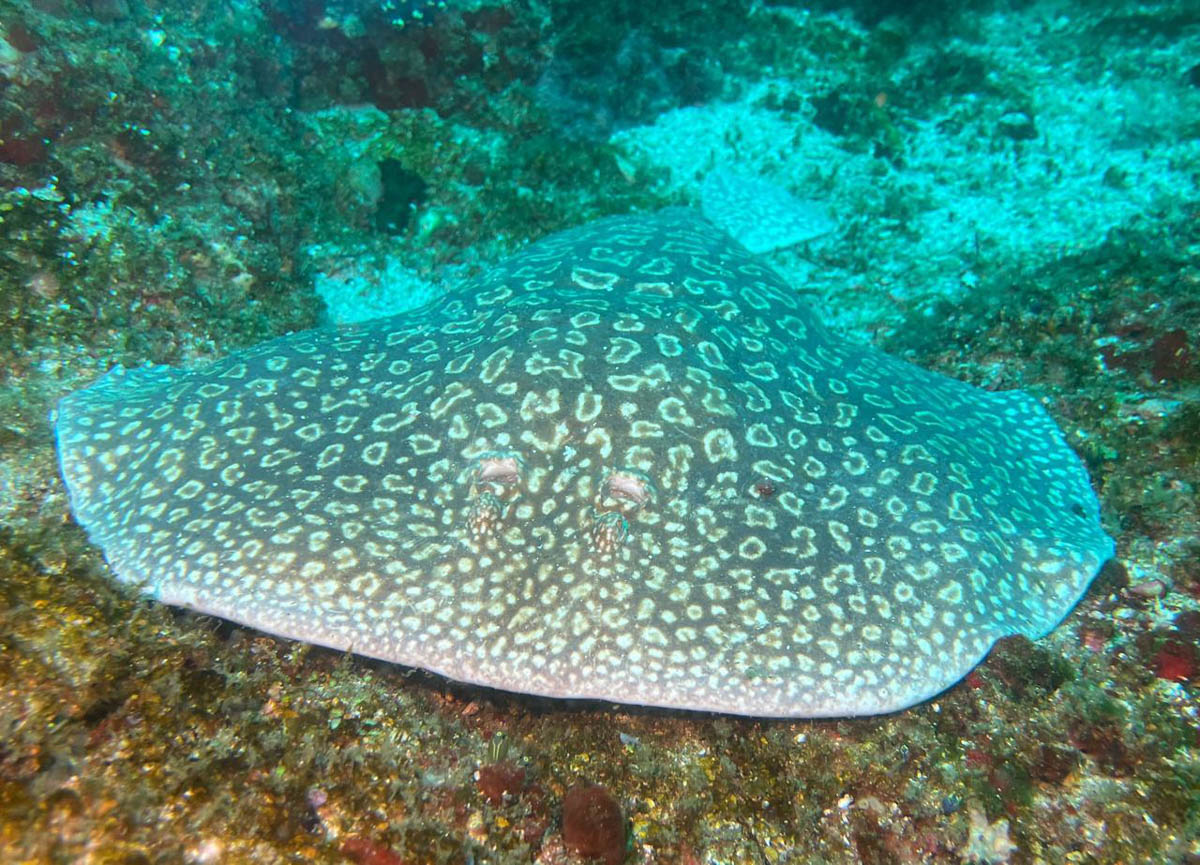
Image credit: SEE Activity Center
Remember to Look at the Reef
The danger with somewhere famous for megafauna is spending an entire dive staring into the blue.
Inhambane rewards divers who occasionally look in the opposite direction.
Moray eels, lobster, mantis shrimp, octopus, nudibranchs, scorpionfish, frogfish, cleaner shrimp, lionfish and other smaller reef inhabitants add another dimension to the diving.
Some of SEE’s offshore sites also bring the possibility of reef and leopard sharks, large rays, barracuda and other pelagic species.
At Amazon Reef, for example, the centre describes a horseshoe-shaped offshore formation where the sandy inner section reaches approximately 28 metres, with the outer reef sitting at around 22 to 24 metres. Potential encounters include whitetip reef sharks, leopard sharks, large rays and schooling barracuda.
That combination gives underwater photographers an interesting problem.
Do you prepare for the manta that might emerge from the blue, or the nudibranch sitting a few centimetres from your mask?
What Are Conditions Like?
Anyone expecting permanently calm, crystal-clear tropical diving should adjust their expectations.
Visibility can change substantially as currents, weather and plankton affect the water.
There is an upside.
The same nutrient-rich environment that can reduce visibility is part of the ecological system supporting the marine life divers travel to Mozambique to encounter.
Currents also vary between sites. Some dives can be relatively gentle, while deeper offshore locations can demand greater confidence and experience.
SEE says its recreational diving is conducted to a maximum depth of 40 metres, with groups generally kept relatively small. Double-dive trips are limited to no more than eight divers, according to the centre’s current information.
It makes Inhambane a destination suitable for different experience levels, provided the dive site is matched appropriately to the diver and conditions.
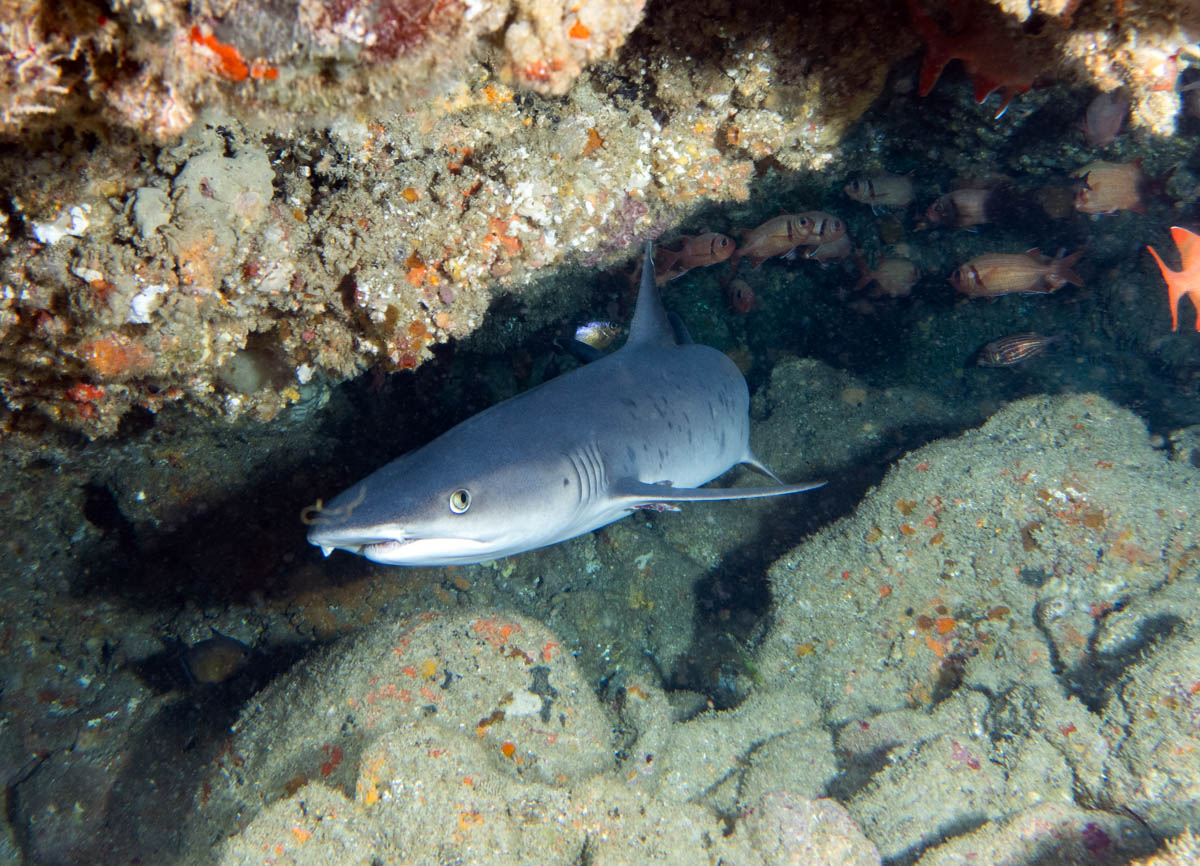
Image credit: SEE Activity Center
Is Inhambane Suitable for New Divers?
Yes, but not every dive is suitable for every diver.
Some of the offshore reefs are naturally more appropriate for experienced divers comfortable with depth, currents and open-ocean conditions.
Other sites offer opportunities for less experienced divers, training and more relaxed recreational diving.
SEE operates as a PADI dive centre and has a dedicated diving classroom and training pool at its Barra Beach facility.
That provides an interesting option for travelling couples or families where not everybody arrives with the same certification or experience level.
One person can be chasing deeper offshore encounters while another develops their diving in a more controlled environment.
There Is More to Barra Than Diving
One of the stronger arguments for Inhambane as a dive holiday destination is what happens when you are not underwater.
Barra is not simply somewhere to sleep between dives.
Ocean safaris, whale watching, kayaking, stand-up paddleboarding, snorkelling and land-based activities can all be incorporated into a trip, while the wider region brings visitors into contact with Mozambique away from the traditional resort environment.
SEE also offers activities including cultural excursions and trips exploring the surrounding coastline, while its Barra Beach location places the operation alongside Sentidos Beach Retreat.
That creates the possibility of treating the journey as a Mozambique holiday with exceptional diving rather than simply a dive trip.
And that distinction matters.
When Should You Go?
There is no single answer because it depends on what you want from the trip.
Diving takes place throughout the year.
The cooler and generally drier part of the year overlaps with the humpback whale migration, while warmer periods can bring different ocean conditions and opportunities for whale shark encounters.
Anyone travelling specifically for wildlife should remember that seasonal patterns improve possibilities rather than provide guarantees.
The most sensible strategy is to give yourself time.
Book several diving days. Include an ocean safari. Leave room in the schedule for weather. Talk to local professionals about what has been seen recently rather than relying solely on what appeared in somebody else’s dive log six months earlier.
Inhambane rewards flexibility.
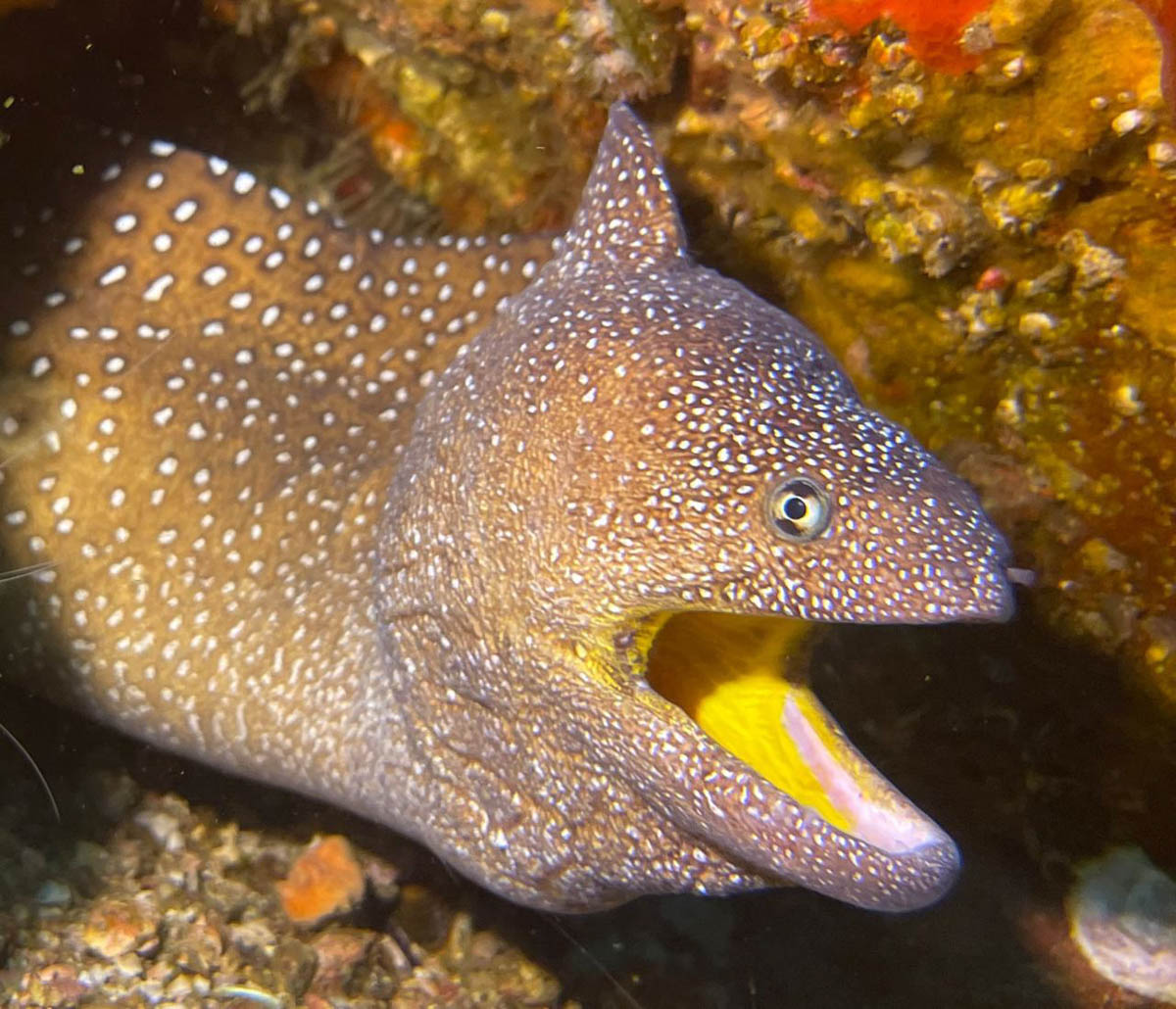
Image credit: SEE Activity Center
A Different Kind of Dive Destination
Perhaps the strongest argument for diving Inhambane is that the destination has not lost its sense of discovery.
There are easier places to dive.
There are destinations where visibility is more predictable, conditions more controlled and encounters can sometimes feel almost scheduled.
That is not necessarily what Mozambique offers.
Instead, there is a stretch of Indian Ocean where a dive can change character without warning.
You might spend 40 minutes examining reef life without seeing the megafauna that appeared the previous morning.
Or you might turn around and discover that something enormous has silently entered the water behind you.
Neither experience makes the dive a failure.
That is the point.
Inhambane is at its best when divers stop asking the ocean to deliver a checklist and start paying attention to what it delivers instead.
For divers prepared to embrace that uncertainty, Mozambique’s Barra coastline still offers something increasingly valuable.
The possibility of genuine surprise.
For more information about diving, ocean activities and current conditions in Barra, visit SEE Activity Center.
Comments