

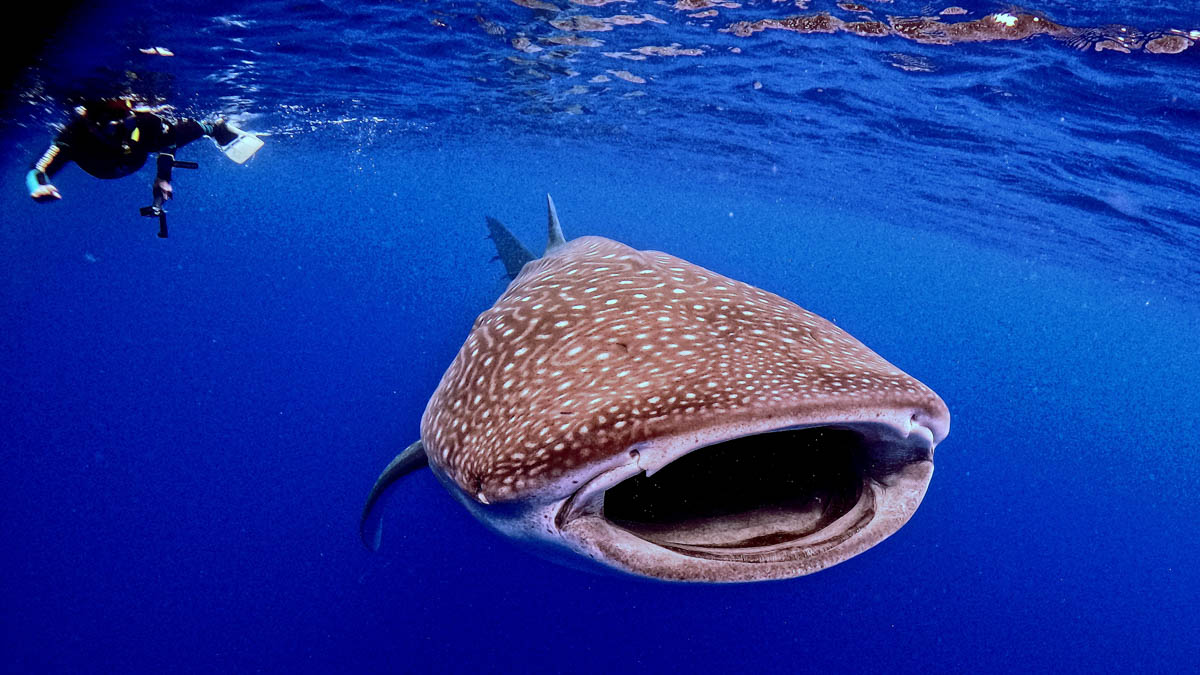
There are remote diving destinations, and then there is St Helena.
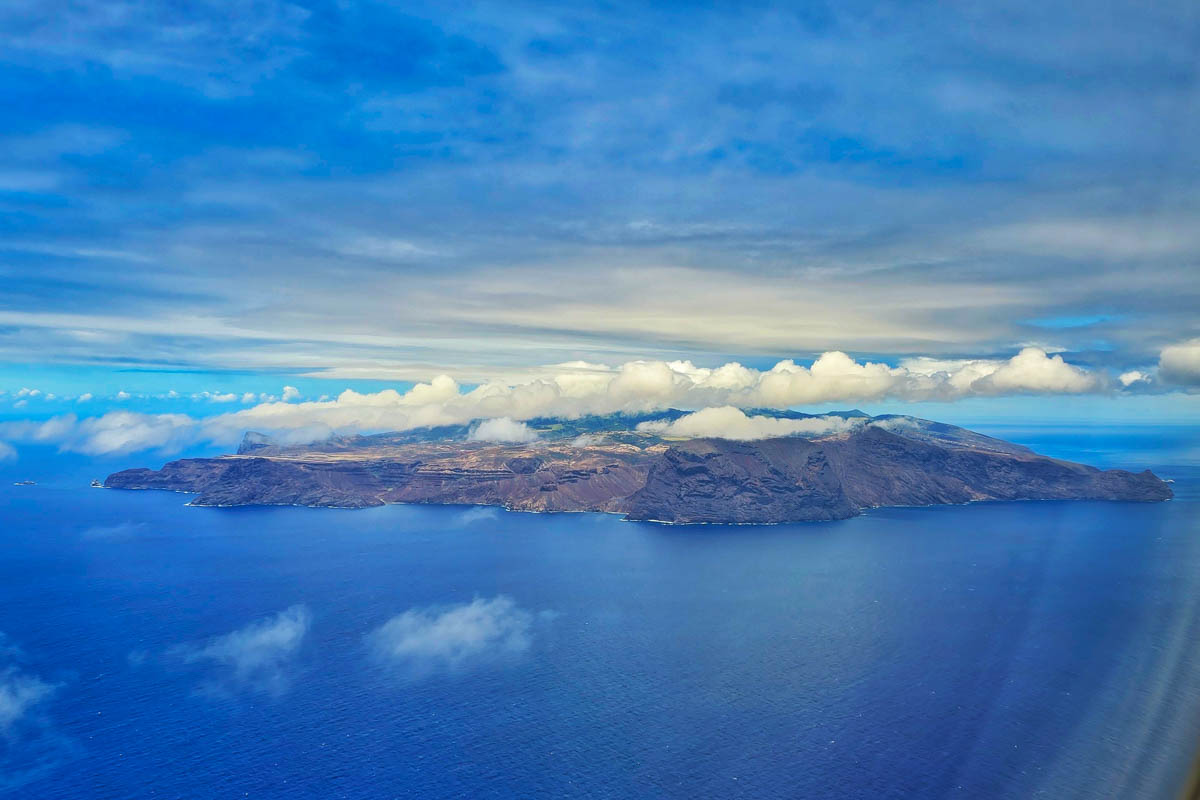
Rising from the South Atlantic more than 1,000 miles from the African mainland, this isolated British Overseas Territory remains well outside the usual orbit of mainstream dive travel. Its volcanic coastline drops into clear ocean, wrecks and reefs surround the island, and relatively few visiting divers ever make the journey.
But for several months each year, St Helena also becomes the temporary home of some much larger visitors.
Whale sharks gather in the waters around the island, creating one of the more unusual seasonal wildlife encounters in the diving world.
It is this combination of remoteness, diving and marine megafauna that Indigo Safaris is bringing together for a 13-day journey in early 2028, timed to coincide with the heart of St Helena’s whale-shark season.
An Unusual Whale Shark Gathering
Whale sharks can be encountered at a number of destinations around the world, but St Helena appears to occupy an unusual place in their story.
Research into the island’s whale-shark population has documented a strong seasonal aggregation dominated by large animals, with mature males and females occurring in approximately equal numbers. That differs from many better-known whale-shark aggregation sites, which are frequently dominated by juvenile males.
Researchers have consequently identified St Helena as potentially important to the reproductive ecology of the species. The evidence is compelling enough to make the island scientifically unusual, although important questions remain about exactly what happens when the sharks leave its waters.
For visiting divers and snorkellers, the practical result is a remarkable seasonal concentration of the world’s largest fish around one of the world’s most isolated inhabited islands.
The St Helena Government says whale sharks generally begin appearing around the island from November, with encounters typically peaking around January and February.
Diving St Helena
The whale sharks may provide the headline attraction, but they are only part of the reason to get into the water.
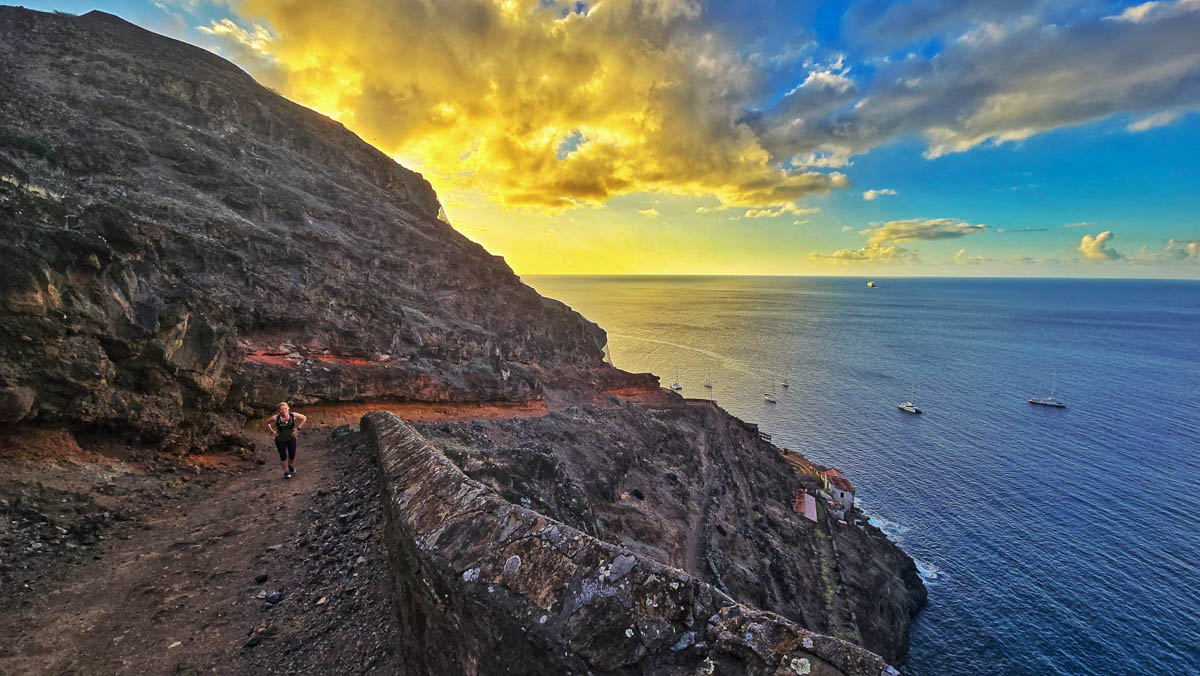
St Helena’s isolation has helped create a distinctive marine environment with reef diving, volcanic underwater topography, wrecks and endemic species.
Indigo Safaris’ 2028 itinerary includes 15 dives across seven days, covering reef and wreck sites around the island.
Some of those dives take place in waters also frequented by whale sharks, but there is an important distinction.
St Helena does not permit deliberate recreational scuba diving with whale sharks. Dedicated encounters take place by snorkelling under controlled conditions, allowing the animals to determine the nature of the interaction.
The island has developed specific environmental guidelines governing these encounters. Swimmers must maintain their distance, touching or riding the animals is prohibited, and commercial encounters are conducted by accredited local operators.
It is an approach intended to protect an animal that has become both an important part of St Helena’s marine environment and an increasingly important component of its tourism economy.
Three Dedicated Whale Shark Encounters
The Indigo Safaris St Helena itinerary includes three dedicated whale-shark snorkelling excursions alongside the diving programme.
The trip runs from 28 January to 9 February 2028, placing visitors on the island during its established peak whale-shark period.
There are no guarantees with wild animals, of course. That uncertainty is part of any genuine wildlife encounter.
Long-term research around St Helena has documented the strongest concentration of sightings during the first months of the year, with January particularly significant. Researchers identified 277 individual whale sharks from photo-identification records and found an approximately even overall sex ratio, an unusual characteristic among known whale-shark aggregation sites.
For travellers prepared to journey into the South Atlantic, few diving holidays combine this degree of isolation with such a significant seasonal marine event.
An Island Worth Exploring Above Water
It would be easy for divers to view St Helena purely through the lens of what lies offshore. Doing so would miss much of what makes the destination unusual.
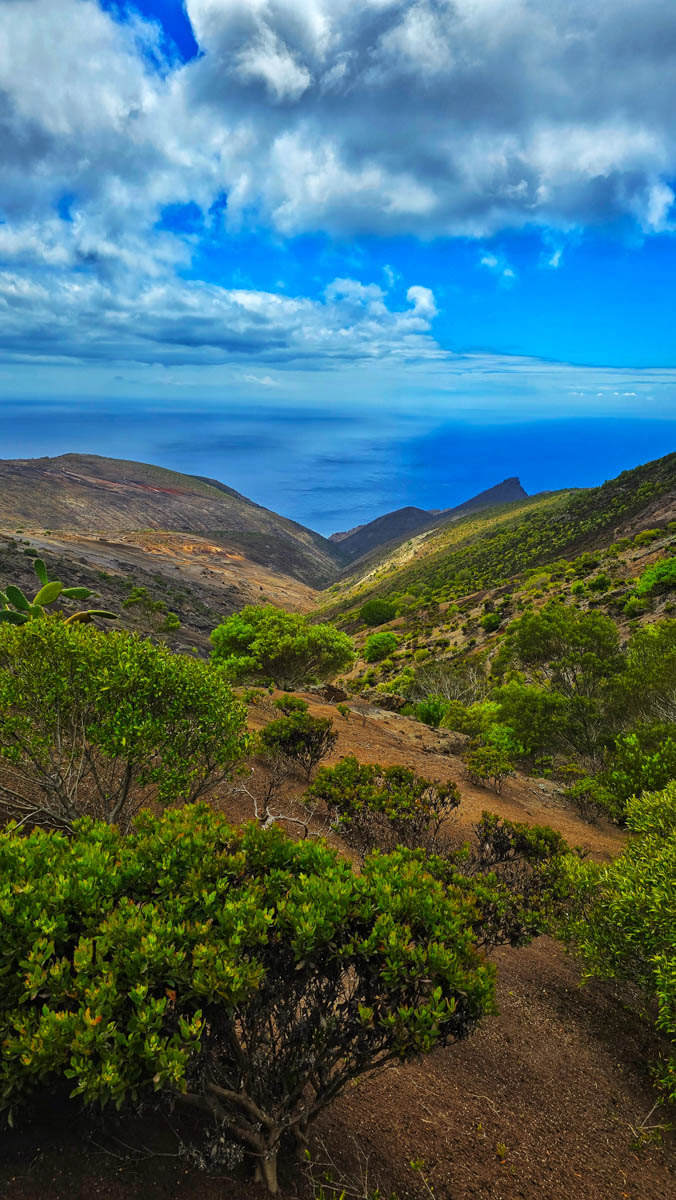
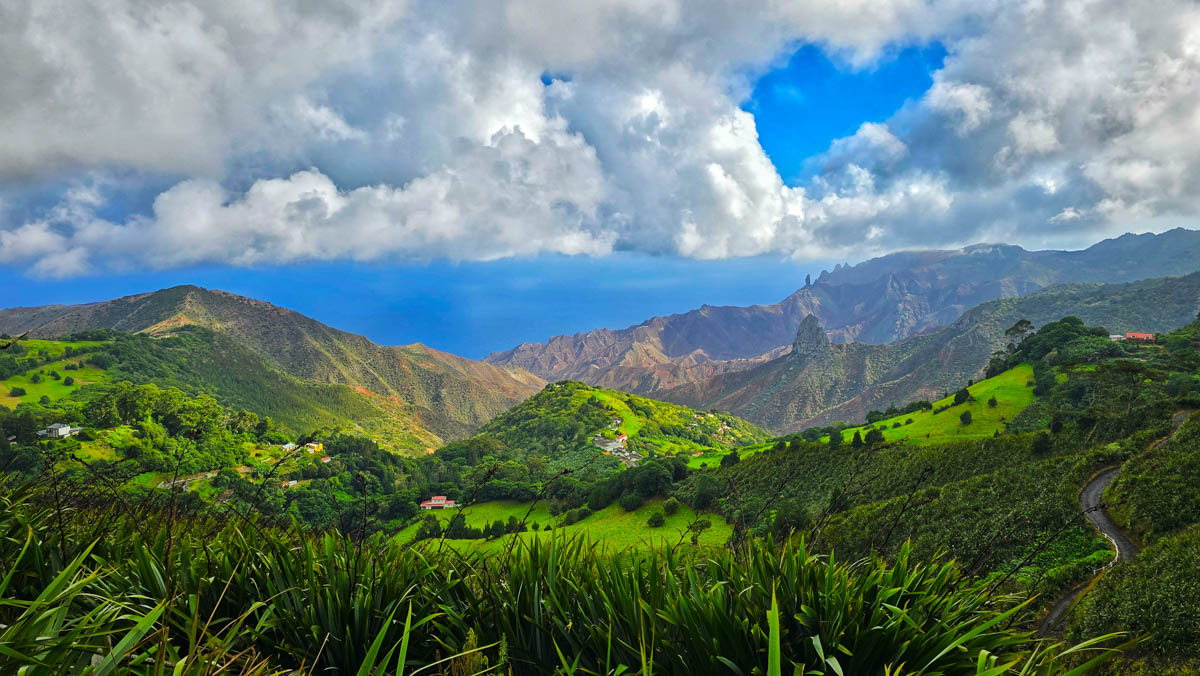
Around 122 square kilometres of volcanic island contains landscapes ranging from stark coastal cliffs and semi-desert terrain to green uplands and cloud forest.
Then there is the history.
St Helena is inseparably associated with Napoleon Bonaparte, who was exiled to the island following his defeat at Waterloo and died there in 1821. Longwood House, where he spent much of his exile, remains one of the island’s most important historical sites.
Another famous resident is considerably older. Jonathan, the Seychelles giant tortoise living at Plantation House, has become one of St Helena’s best-known inhabitants and is recognised as the world’s oldest known living land animal.
Indigo’s itinerary therefore deliberately leaves the ocean behind for part of the trip, including two full-day island tours alongside the diving programme.
Getting to the Middle of the South Atlantic
For generations, simply reaching St Helena was part of the expedition.
Before scheduled commercial air services, travellers could spend days at sea reaching an island whose isolation had shaped almost every aspect of its history.
The airport changed that. St Helena remains remote, but it is no longer inaccessible.
Indigo’s 13-day itinerary begins with a night in Johannesburg before flying to St Helena, where guests spend ten nights at the Mantis St Helena in Jamestown. The journey concludes with an overnight stay in Cape Town.
The package includes 12 breakfasts, 15 dives, three whale-shark snorkelling trips and two full-day land tours.
Prices currently start from £2,455 per person sharing, approximately US$3,275, with single occupancy listed from £3,235.
Full itinerary details and current availability are available directly from Indigo Safaris.
A Different Kind of Dive Trip
St Helena is unlikely ever to become a mass-market diving destination.
That may be precisely its appeal.
This is a journey for divers prepared to travel considerably further than the familiar resort destinations, combining a substantial week of diving with one of the marine world’s most intriguing seasonal gatherings.
And unlike destinations built almost entirely around a single wildlife encounter, St Helena still offers something when the fins come off.
There are wrecks and reefs below the surface, volcanic landscapes above it, centuries of history running through Jamestown and an island community shaped by its extraordinary geographical isolation.
The whale sharks provide a compelling reason to choose the season.
St Helena provides the reason to make the journey.
