




Getting people to learn to scuba dive is only one part of the challenge facing the diving industry. Keeping them diving, giving them reasons to remain engaged and building communities that survive beyond the initial certification course can be considerably harder.
In Northern California, one independent dive club appears to be moving in the opposite direction.
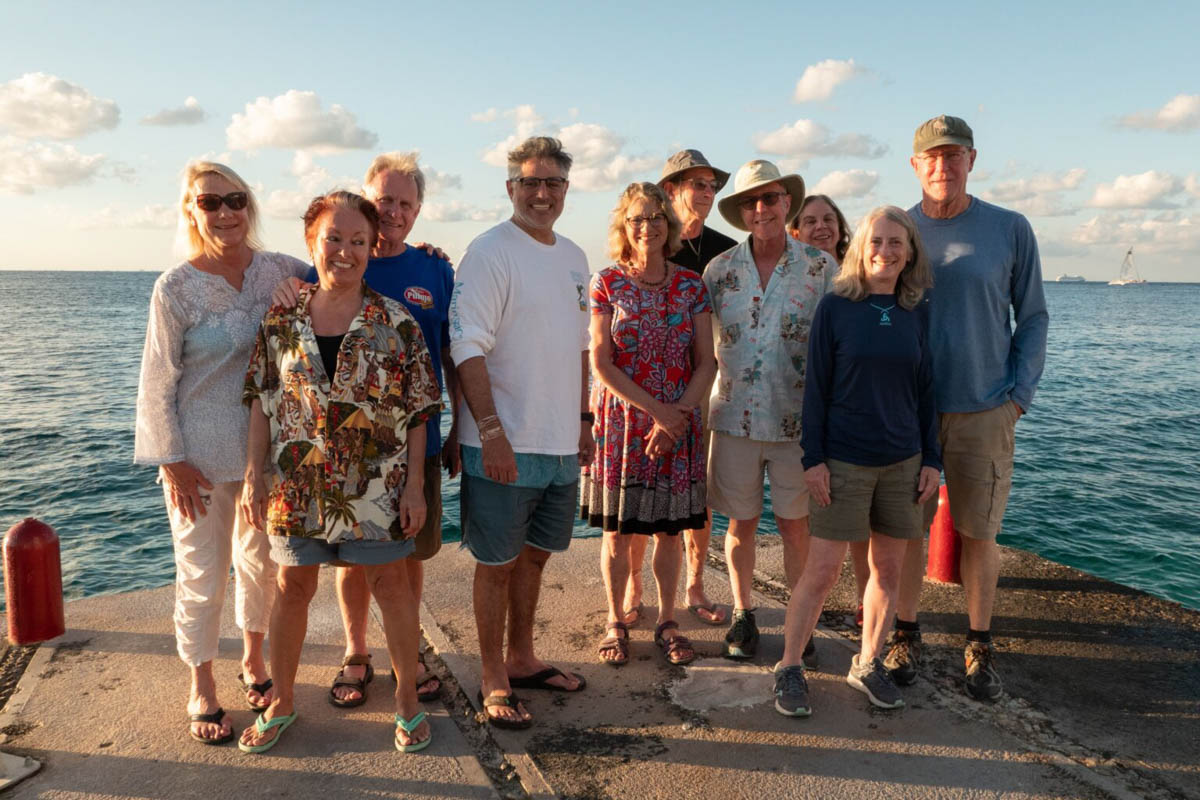
Marin Scuba Club now has 83 members, its highest membership in more than three decades. During the COVID period, that number had fallen into the mid-50s. Last year it was still only in the mid-60s.
The club is now aiming for 90.
The numbers are interesting. The reasons behind them are arguably more important.
Founded by six divers in 1992, Marin Scuba Club describes itself as an informal social club for divers and snorkellers. More than 30 years later, its activities range from cold-water diving in California to international trips, monthly presentations, conservation activities and social events.
Its recent growth offers a useful case study in something the wider diving industry frequently talks about but does not always solve: what happens to divers after they have been certified?
Making Diving Social
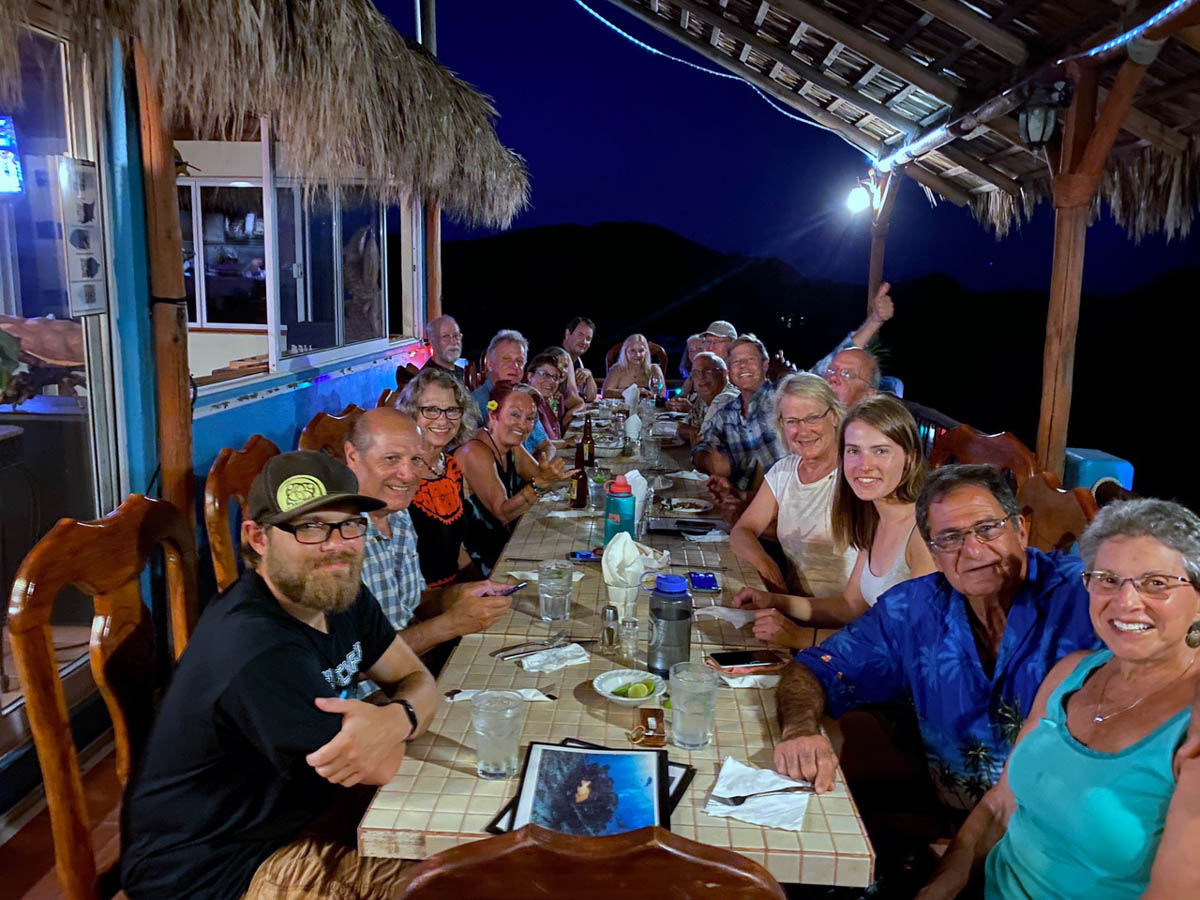
Marin Scuba Club Newsletter Editor and Co-Webmaster Gil Zeimer says the club’s strongest meetings can attract 30 to 40 people in person at its Sausalito venue, with another 10 to 15 joining online.
The subjects matter.
The club’s programme of meetings and events has included underwater photography, Monterey diving conditions, Hollywood stunt diving, marine conservation and presentations from the club’s own members.
The November meeting, when members present photographs, videos and stories from their diving, has become one of its biggest events of the year.
Then there are the occasions that have little to do with putting on scuba gear at all.
The annual holiday party regularly brings together 50 to 60 members and their partners.
That social component may be one of the simplest lessons in Marin’s growth. People may initially join because they dive, but friendships give them another reason to stay.
Give Divers Somewhere To Go
Travel has become another major part of the equation.
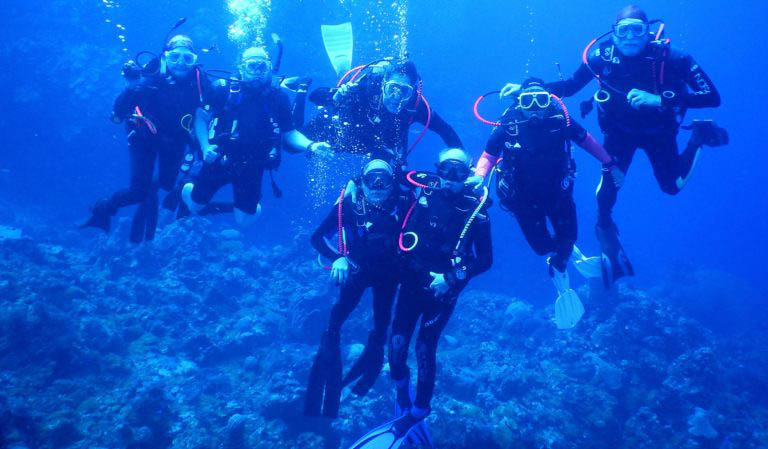
The club maintains an active local cold-water community alongside an extensive programme of dive trips at different destinations and price points.
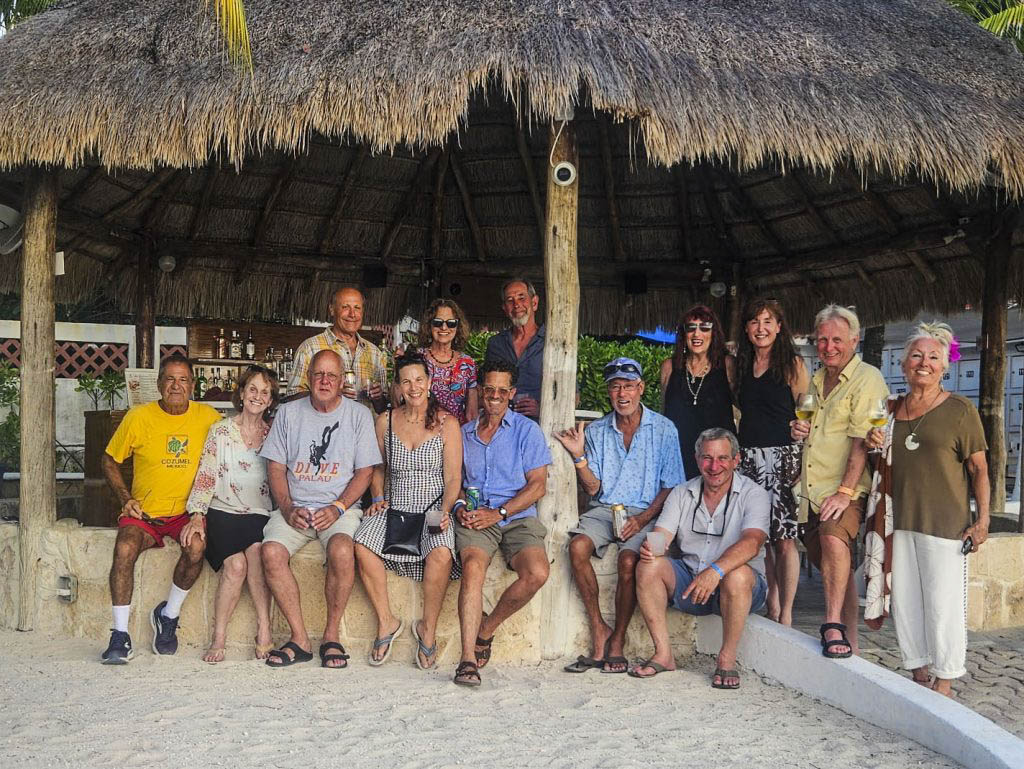
During 2026, members travelled to Palau and Cozumel while continuing to dive closer to home in California. Its schedule stretches considerably further ahead, with trips including Cabo Pulmo, Socorro, the Philippines and Raja Ampat.
Some have become significantly easier to fill as membership has grown.
Board Chair Barbara Wambach recalls a time when assembling the numbers necessary to secure group discounts could be difficult. Once membership passed roughly 60 people, the dynamics changed.
Today, the problem can be the opposite.
According to Wambach, some proposed trips are effectively full before they are formally published to the wider membership.
That level of demand did not appear overnight.
She joined the club’s board in 2010, when the organisation had around 40 members, and began increasing the frequency of activities while organising both cold and warm-water trips.
The principle was straightforward: remove as much friction as possible.
Members could pay, turn up and dive, while much of the organisation had already been handled.
For a recreational diver balancing work, family and everyday life, that difference can be significant.
The Website Helped, But Technology Wasn’t The Whole Answer
Technology has also played a role.
The club recently overhauled its website and membership systems, introducing a simpler online membership process and the ability to handle new memberships and renewals electronically.
Wambach says the changes were followed by an immediate increase in membership.
Webmaster and Media Chief Ric Miller also rebuilt parts of the site’s front and back end, allowing information about meetings, activities, local diving and international trips to be entered more efficiently and displayed across different parts of the website.
The club says around half of its new members now discover it by searching online for a scuba club in Marin County. The remainder largely arrive through recommendations from existing members.
That 50/50 split is revealing.
Digital visibility is bringing people to the door. Personal recommendation is still doing much of the other half of the work.
COVID Created Something Worth Keeping
One change was born from necessity.
Like dive organisations around the world, Marin Scuba Club moved its meetings online during the pandemic.
When normal activities resumed, however, it didn’t abandon the technology.
Instead, meetings became hybrid.
Members who cannot attend physically can remain involved, while the format has also dramatically widened the pool of potential guest speakers.
Presenters have participated from locations including Guam and Israel, while another speaker scheduled for the programme lives in New England.
The same flexibility has helped the club become less geographically constrained.
Zeimer says members now include divers living in Hawaii, Arizona and Massachusetts who continue to participate in the club’s tropical trips.
What began as a solution to a temporary problem has become permanent infrastructure.
Community Needs People
There is a temptation to look for a single tactic behind growth like this.
A better website. More trips. Better speakers. Zoom. Social events.
Marin’s experience suggests the answer is all of them, but they only work when people consistently make them happen.
Miller points particularly to Wambach’s role in rebuilding the organisation, engaging with members personally, strengthening the board, organising trips and creating social events.
Long-standing members have also taken responsibility for other parts of club life, from dive trips and meetings to conservation work. The club’s current programme includes its annual California Coastal Cleanup alongside recreational diving and social activities.
Membership Chair Julie Finley remembers attending a Marin Scuba Club meeting around 15 years ago when there were about ten people in the room.
Today, she credits the enthusiasm of the membership and the strength of the programme with turning visitors into participants.
That distinction matters.
A database of paying members is not necessarily a community. People need reasons to participate.
From Local Dive Club To Something Bigger
Some of Marin Scuba Club’s ideas have already travelled far beyond Northern California.
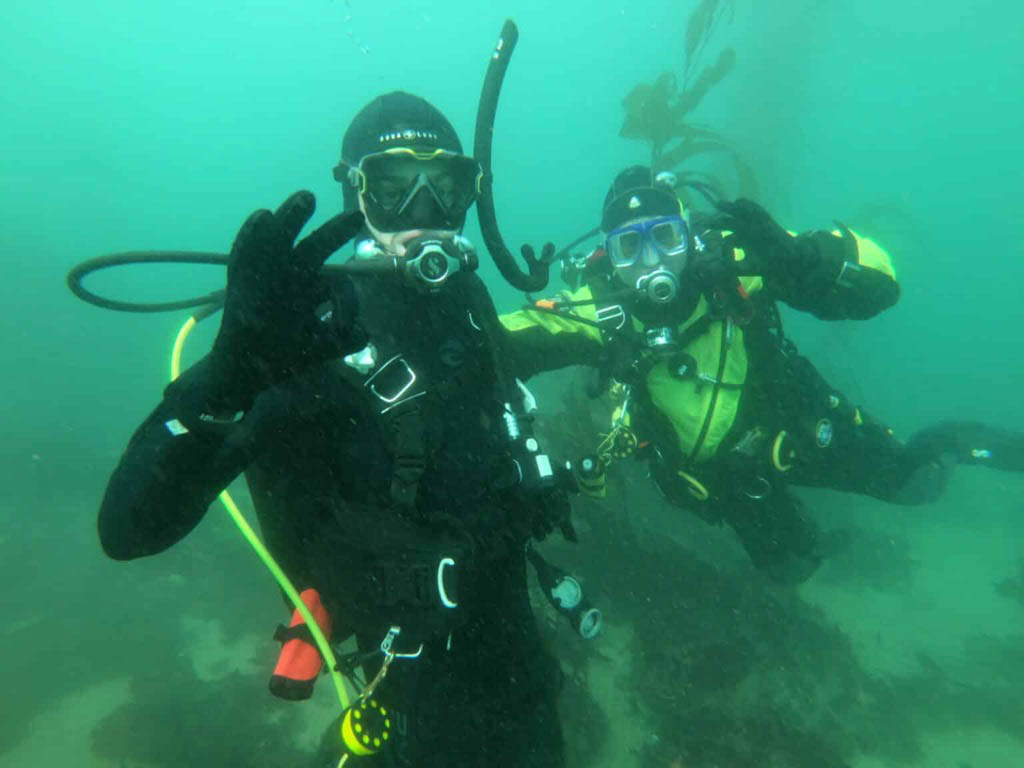
Blue Friday was launched by club member Ken Carter in 2021 with a deliberately simple message: rather than spend Black Friday shopping, go diving.
The idea subsequently expanded beyond the club itself, with divers in different parts of the world participating.
For Marin, it became another way of turning membership into participation rather than simply affiliation.
It also illustrates something that runs throughout the club’s recent history. Not every successful initiative has come from the board or from a formal strategy. Members have been encouraged to organise, contribute and create things themselves.
The Bigger Lesson For Diving
Not every dive club can organise international trips. Not every community has access to the same volunteers, speakers or resources.
But much of what appears to be working in Marin is remarkably transferable.
Make it easy to join. Give people somewhere to dive. Give them reasons to meet when they are not diving. Maintain contact between trips. Make activities easy to participate in. Use technology to include rather than replace people. Give members responsibility.
And perhaps most importantly, create an environment in which somebody who turns up as a stranger can eventually feel that they belong.
The diving industry spends considerable energy finding new customers.
Marin Scuba Club’s experience raises another question worth asking.
What happens if we put just as much effort into giving the divers we already have a reason to keep showing up?
Comments