




Singapore is preparing to reopen scuba diving at one of its most important marine conservation sites, signalling a carefully managed return to underwater access after years of ecological recovery.
Diving activities at Sisters’ Islands Marine Park are expected to resume later in 2026, following a period of restoration and infrastructure development aimed at protecting one of the country’s most biologically significant reef systems.

The plan was confirmed during remarks by Minister of State Alvin Tan at the Asia Dive Expo, with details outlined in an official statement published by Singapore’s Ministry of National Development, where the government confirmed its intention to reintroduce diving as part of a broader marine sustainability strategy through the Ministry of National Development announcement.

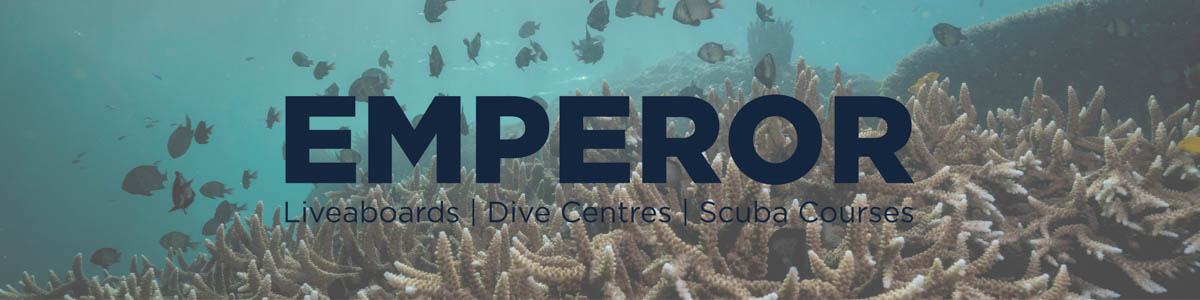
Located just south of mainland Singapore, the marine park has long stood out as an unusual diving environment, offering coral reefs and diverse marine life within close reach of a major global city. According to the National Parks Board overview of Sisters’ Islands Marine Park, the area supports a wide range of species, including hard and soft corals, reef fish, and other key indicators of reef health in urban waters.
Diving was suspended in 2021 as part of a broader conservation effort. Authorities used the closure to focus on reef rehabilitation, habitat protection, and the development of visitor infrastructure designed to reduce long-term environmental impact. When the park reopened to visitors in 2024, diving remained off-limits, reflecting a cautious, phased approach to balancing access with conservation.

That approach now appears to be entering a new phase.
Rather than a full reopening, diving is expected to return under a tightly controlled model. Historically, access to the park’s dive sites has been limited to guided experiences, with strict quotas and designated zones designed to minimise environmental impact. A similar framework is expected to be reinstated, potentially with enhanced oversight and sustainability requirements.
This measured reopening reflects a broader shift across the region, where marine authorities are increasingly prioritising ecosystem protection over unrestricted tourism. For divers, it reinforces the growing importance of conservation-led diving, where access is shaped as much by environmental responsibility as by demand.
For Singapore’s dive industry, the return of diving to Sisters’ Islands Marine Park represents a rare opportunity. Few destinations globally can offer protected reef diving within minutes of a major international city, and even fewer can do so within a framework built explicitly around long-term ecological resilience.
As further details emerge around permits, operators, and access conditions, the reopening is expected to generate strong interest from both local and visiting divers. More importantly, it positions Singapore as a case study in how urban marine environments can be restored, protected, and responsibly shared with the diving community.
Comments