




Scuba diving is generally safe if you’re well-trained, plan ahead, and use good judgment. However, accidents often happen because of how people recognize and respond to risks.
Researchers who study disasters and health threats have found that people rely on two kinds of thinking when assessing danger: intuitive and deliberative. Intuitive thinking is fast and automatic, representing our “gut reaction.” It evolved to protect us from obvious threats, like bad smells or bitter tastes. Deliberative thinking, on the other hand, is slow and requires more effort. It’s what we use when weighing evidence, comparing options, and planning ahead.

This difference is important in diving. Our gut instincts often miss underwater dangers like narcosis, decompression stress, minor equipment problems, or changing conditions. These risks don’t necessarily feel urgent, so it’s easy to ignore them when things seem okay. That’s why using checklists, planning dives, and formally assessing risks matter, They help us think things through instead of relying on instinct.

We all see risk differently. Studies show that people who believe a threat is serious actually process danger differently than those who don’t. For example, one diver might be very careful about depth limits and surface intervals, while another with the same training might not worry about them at all.
Social influence makes things even more complicated. We often copy the attitudes of the people we dive with. If a group regularly skips safety stops or pushes limits, that behavior can start to feel normal, even if it goes against best practices or training guidelines.
So, what can divers do to stay safe?
- Plan deliberately. Use written dive plans, gas calculations, and agreed-upon turn pressures.
- Add safety margins to your dives. Using conservative profiles helps make up for human error and unexpected problems.
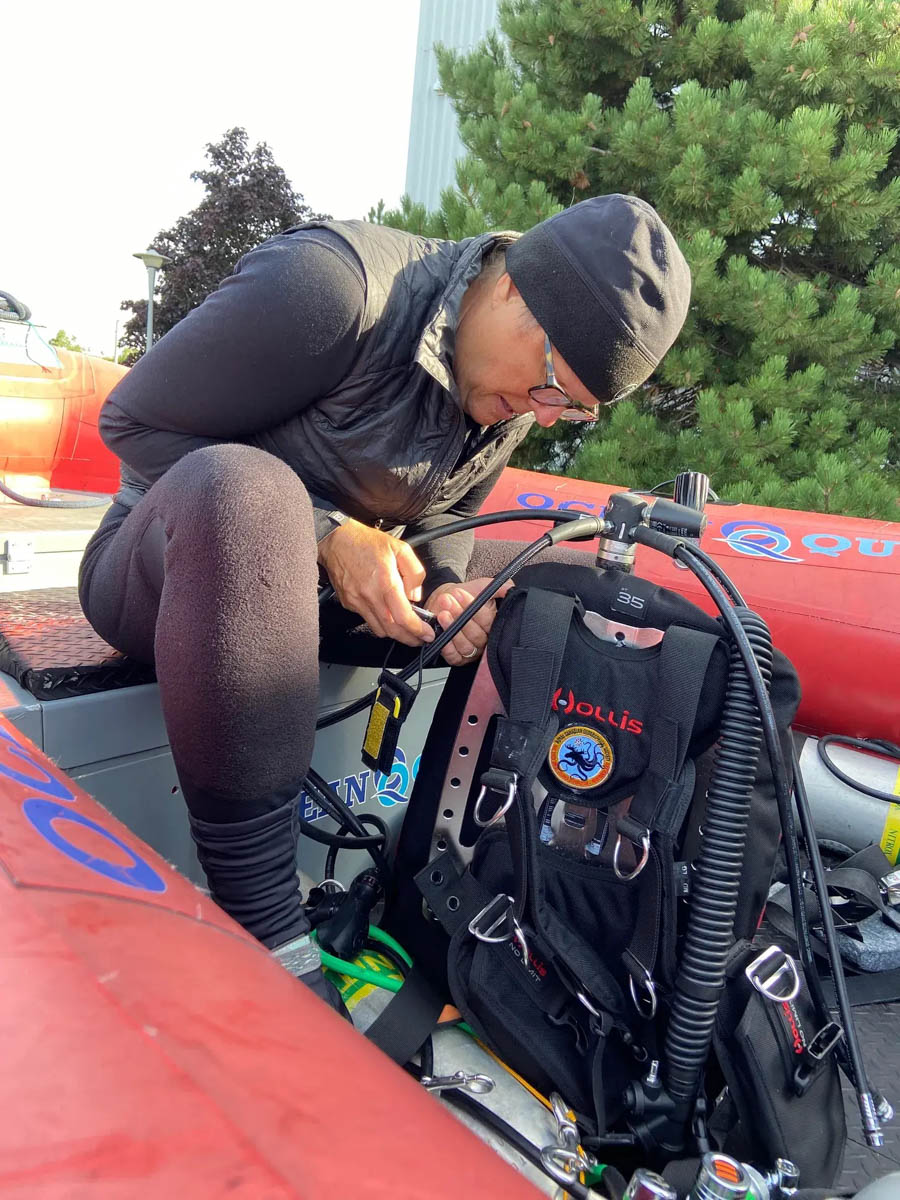
- Promote a safety culture. Dive with buddies and operators who respect limits, and set a good example by following your own safety procedures and pre-dive checks. If nobody wants to walk through a thorough safety check with you, then make your own performative check while voicing each step out loud.
- Take a moment before moving forward. If you feel pressured by convenience or the group, stop and reassess your decision.
There’s no way to remove all risk from diving. But if we understand that our brains often miss unfamiliar dangers and follow the crowd, we can build habits and systems that help keep us safe. In the end, good risk assessment is about giving yourself the best chance to enjoy safe diving for years to come.
Comments