

Close Menu
    Facebook X (Twitter) Instagram
    New
    • Ontario Joins the Fight Against the Invasive Spotted Lanternfly
    • Poseidon Unveils Interactive Regulator Configurator, Giving Divers a New Way to Build Their Ideal Setup
    • Experienced Diver Injured After Bite from Broadnose Sevengill Shark Off Tasmania
    • The Low-Friction Dive Sabbatical: Protecting Your Cognitive Energy Between Demanding Profiles
    • Aggressor Adventures Earns Three Telly Awards for Underwater Storytelling
    • Mindful Leadership: Thoughts About the Importance of Body Position and Cave Diving
    • Update on Six Presumed Drowned in Richmond Charter Boat Tragedy as Questions Grow Over Companion Vessel
    • The Silent Diving Emergency Every Water Sports Enthusiast Should Know About: Understanding SIPE
    Facebook X (Twitter) Instagram Pinterest YouTube LinkedIn TikTok Threads Mastodon
    Contact Advertise Destinations
    The Scuba News
    Curacao Vacation Guide
    • Home
    • News
      • Commercial Diving News
      • Community News
      • Dive Center News
      • Dive Resort News
      • Environmental News
      • Equipment News
      • Event News
      • Photo and Video News
      • Training News
      • Travel News
    • Events
    • Scuba Features
      • Commercial Diving Features
      • Community Features
      • Dive Center Features
      • Dive Resort Features
      • Environmental Features
      • Equipment Features
      • Event Features
      • Maritime History
      • Photo and Video Features
      • Training Features
      • Travel Features
      • Video Articles
      • What Divers Say
    • Travel
      • Travel News
      • Travel Features
      • Travel Offers
    • Surface Interval
      • Books
      • Movies
      • Podcasts
      • TV
      • Webinars
    • News by Destination
    The Scuba News
    Home ยป The Low-Friction Dive Sabbatical: Protecting Your Cognitive Energy Between Demanding Profiles
    Community Features

    The Low-Friction Dive Sabbatical: Protecting Your Cognitive Energy Between Demanding Profiles

    TSN Press TeamBy TSN Press TeamJuly 17, 2026Updated:July 18, 2026No Comments4 Mins Read
    Facebook Twitter Pinterest LinkedIn Tumblr Email
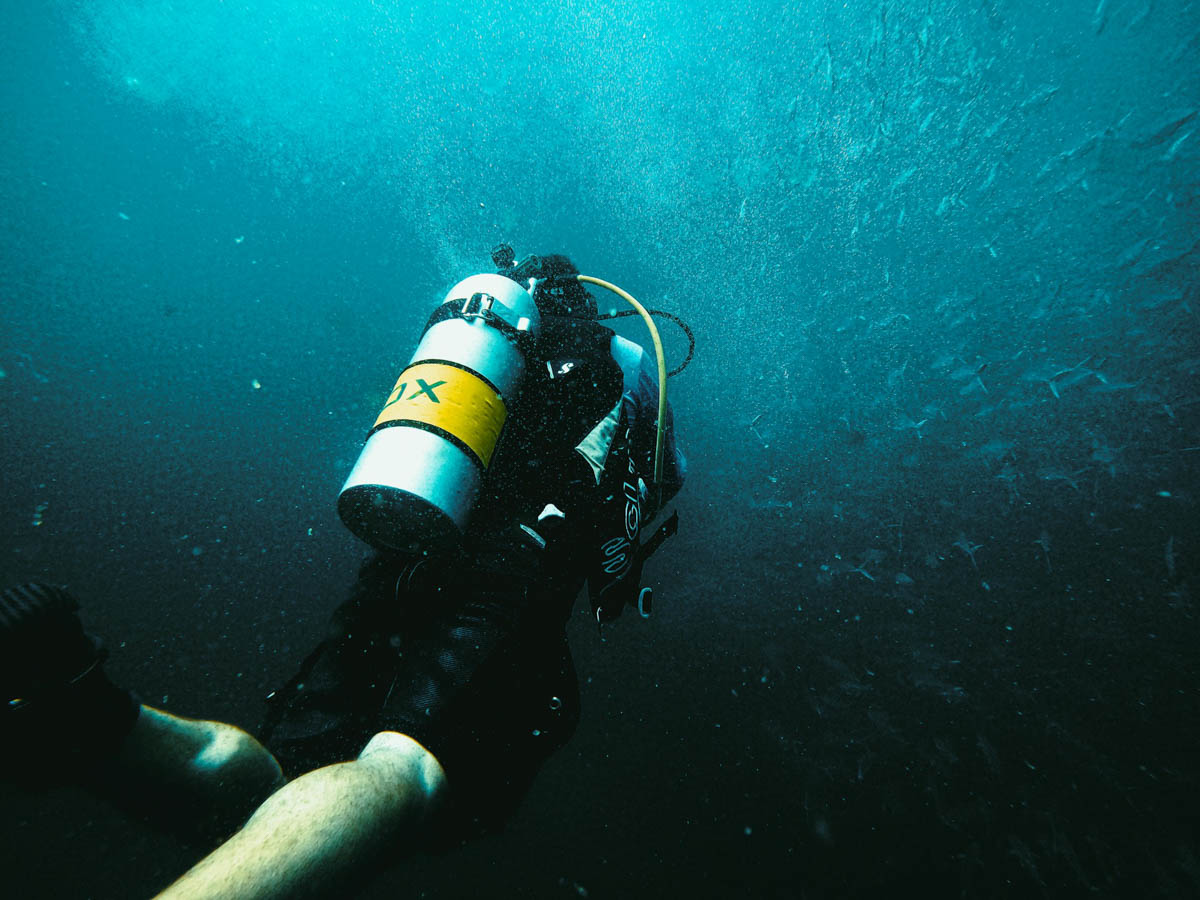
    Diver Underwater
    Thailand
    Photo by NIR HIMI on Unsplash

    Diving is one of those activities that demands everything from you. Your attention, your physical coordination, your mental clarity, and your emotional calm all have to show up at the same time. Most divers talk about the gear, the conditions, or the marine life. But very few talk about what happens to your brain between dives, especially when the dives are technically demanding. That space between profiles, whether it is an hour or a full day, is not just rest time. It is recovery time. And if you get it wrong, your next dive will feel it.

    Why Cognitive Fatigue Is a Real Dive Risk

    The brain does a serious amount of work during a technical or deep dive. It is tracking depth, time, gas consumption, buoyancy, current, visibility, and your buddy, all at once. After that kind of focus, your cognitive system needs time to reset. Pushing into another demanding profile without that reset is like trying to run a second marathon without eating or sleeping. Your reaction time slows, your decision-making gets sloppy, and small errors start to compound. Research highlights that human error, not equipment failure, is the leading factor in dive incidents. A big part of that human error comes from fatigue that divers simply did not take seriously enough.

    The Idea Behind a Low-Friction Sabbatical

    A dive sabbatical does not have to mean months off. It can be a structured period of low-output activity between demanding dive sessions. The goal is to reduce the mental load without completely stepping away from the water. Think of it as dialing down the intensity rather than turning off the switch. Some divers use this time to do shallow, relaxed reef dives with no objectives. Others get out of the water completely and spend time in environments that restore rather than demand. The key is removing friction from your daily experience so your nervous system can actually recover instead of staying in a state of low-level alertness.

    Choosing the Right Environment for Recovery

    Where you go during your sabbatical matters more than most people think. Noisy, busy, high-stimulation environments keep your stress hormones elevated even when you are not doing anything physically demanding. Choosing somewhere calm, slow-moving, and visually gentle does a lot of the recovery work for you without any effort on your part. Many divers find that slow river travel works brilliantly for this reason. Booking a seasonal Danube river cruise, for example, gives you movement, scenery, and quiet all at once without the planning pressure of a full itinerary. The gentle pace of river travel lets your brain settle into a rhythm that deep-water diving rarely allows.

    Sleep and Nutrition as Cognitive Infrastructure

    Most divers track their surface intervals for gas off-gassing purposes. Far fewer track their sleep quality or eating patterns during dive trips. But sleep is where your brain actually consolidates information and repairs its signaling pathways. Poor sleep between demanding profiles does not just make you tired. It actively reduces your ability to read situations accurately underwater. The Sleep Foundation notes that even a single night of poor sleep can impair judgment at levels comparable to mild alcohol intoxication. Pair that with a heavy dive profile the next morning and the risk picture changes significantly. Good food and consistent sleep during your sabbatical period are not optional extras. They are structural requirements for diving well.

    Managing the Urge to Fill the Gap

    There is a strong pull among serious divers to use any downtime productively. You plan the next trip, review your logs, read technical manuals, or watch dive videos. All of that feels useful, but it keeps the cognitive engine running when it needs to idle. A genuine low-friction sabbatical means allowing some amount of purposeful emptiness. Go for a walk without a destination. Sit near water without analyzing it. Let conversations happen without steering them toward dive talk. This kind of unstructured time is not wasted. It is actually when creative problem-solving and spatial awareness, both critical for diving, tend to recalibrate naturally.

    Conclusion

    Protecting your cognitive energy between demanding profiles is not a soft suggestion. It is a practical safety strategy. The divers who perform most consistently over long careers are rarely the ones who push the hardest between dives. They are the ones who understand that rest and recovery are part of the skill set, not a break from it. A low-friction dive sabbatical, whether it lasts a weekend or a few weeks, gives your brain the conditions it needs to come back sharp, focused, and ready for the next challenge beneath the surface.

    Comments

    Share. Facebook Twitter Pinterest LinkedIn Tumblr Email
    Previous ArticleAggressor Adventures Earns Three Telly Awards for Underwater Storytelling
    Next Article Experienced Diver Injured After Bite from Broadnose Sevengill Shark Off Tasmania
    TSN Press Team
    • Website
    • Facebook
    • X (Twitter)
    • LinkedIn

    The Scuba News Press Team are constantly on the hunt for great news articles from the world of scuba diving!

    Related Posts

    Ontario Joins the Fight Against the Invasive Spotted Lanternfly

    Poseidon Unveils Interactive Regulator Configurator, Giving Divers a New Way to Build Their Ideal Setup

    Experienced Diver Injured After Bite from Broadnose Sevengill Shark Off Tasmania

    Leave a ReplyCancel reply

    Advertisement
    Scuba Mask Straps
    Advertisement
    Blue
    Advertisement
    Geneinno
    Advertisement
    DiveAssure
    Advertisement
    Scuba Fix at Kirk Scuba Gear
    Advertisement
    Kirk Scuba Gear
    Advertisement
    DiveHeart Courses
    Quick Scuba Search
    Asia Australia Canada Cayman Islands David Suzuki Diver Travel Dive Shows Dive Travel Diving Incident Egypt Environment Environmental News Galapagos Incident Indonesia Ireland Liveaboard Holidays Liveaboards Liveaboards Egypt Liveaboards Galapagos Liveaboards Indonesia Liveaboards Maldives Liveaboards Red Sea Liveaboard Travel Liveaboard Travel Deals Maldives Mexico New Zealand PADI Philippines Red Sea Scuba Diver Travel Scuba Diver Travel Deals Scuba Diving Canada Scuba Diving Egypt Scuba Diving Galapagos Scuba Diving Indonesia Scuba Diving Maldives Scuba Diving Red Sea Scuba Travel Scuba Travel Deals Sharks South Africa Travel UK
    About The Scuba News
    Developed by a small team of dedicated scuba diving media professionals, The Scuba News brings you the best and most up to date scuba diving information from around the world.

    Covering everything from the world of scuba diving including: The Environment, Dive Centers, Dive Resorts, Diving Equipment, Photos and Videos, Diver Training and news which affects the whole scuba community.

    If you have any questions about The Scuba News or you would like to contribute to our news and blog pages please do not hesitate to contact us.
    Scuba News Categories
    • Commercial Diving News
    • Community News
    • Dive Center News
    • Dive Resort News
    • Environmental News
    • Equipment News
    • Event News
    • Photo and Video News
    • Training News
    • Travel News
    Scuba Diving Features
    • Commercial Diving Features
    • Community Features
    • Dive Center Features
    • Dive Resort Features
    • Environmental Features
    • Equipment Features
    • Event Features
    • Maritime History
    • Photo and Video Features
    • Training Features
    • Travel Features
    All content copyright The Scuba News unless otherwise stated. | A DiveMedia Company. Affiliate Disclosure

    Type above and press Enter to search. Press Esc to cancel.