



Summer diving does not have to mean luxury liveaboards, private islands, or eye-watering resort prices. Some warm-water dive destinations become especially rewarding at this time of year while still offering strong value for money.
The sweet spot is timing. A well-timed trip can bring calmer seas, clearer visibility, active marine life, and lower overall costs without sacrificing the quality of your diving.
From laid-back islands with shore diving to reef systems packed with marine life, these affordable warm-water destinations show that memorable underwater adventures do not need a premium price tag. Here are some of the best-value places to dive in summer, what to expect underwater, and why this season works particularly well.

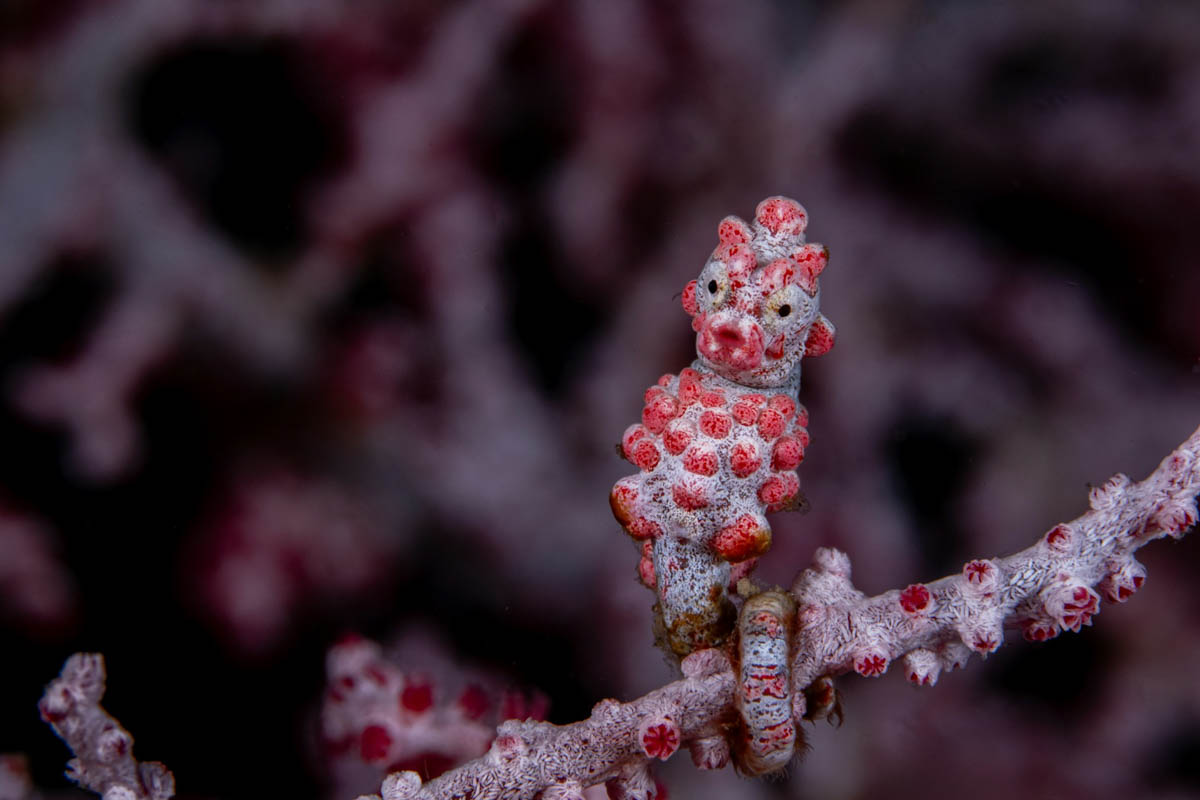
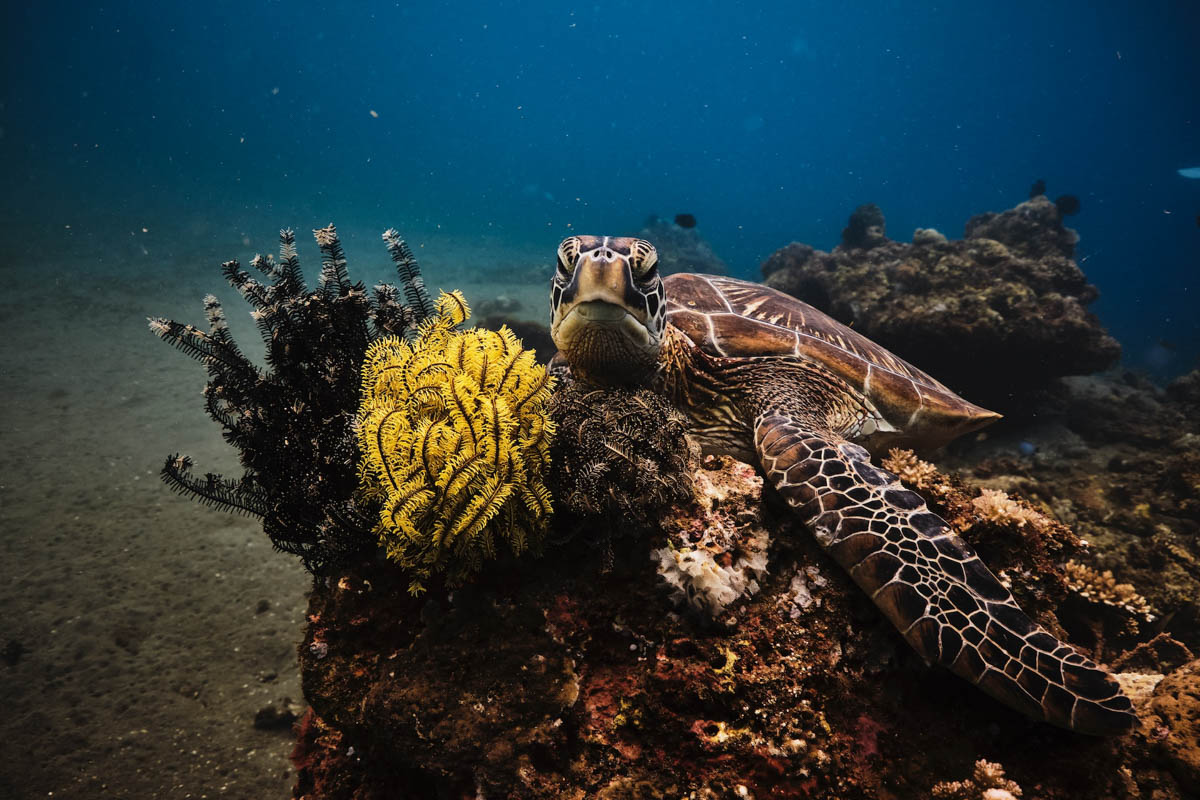
Photo by Pascal van de Vendel on Unsplash
Amed and Tulamben, Bali, Indonesia
While Bali often gets dismissed as “too touristy,” the northeast coast around Amed and Tulamben still feels like a different island. The pace is slower, the shoreline is darker and more volcanic, and many dive days begin with a simple shore entry instead of a long boat ride.
June through September brings Bali’s dry season, with calmer seas, reduced rainfall, and noticeably better visibility that often stretches beyond 25 meters (82 feet).
Tulamben’s biggest draw is the USAT Liberty Wreck, a shore-accessible wreck resting between 5 and 30 meters (16 to 98 feet).
Early in the morning, the site can feel almost cinematic, with schooling jackfish swirling above the wreck and bumphead parrotfish cruising through the shallows before the day gets busy.
Because the wreck begins in shallow water, newer divers can enjoy parts of the site, while advanced divers can explore deeper sections with proper training and local guiding.
The SSI Wreck Diving Specialty can help divers build safer habits around orientation, buoyancy, and non-penetration wreck diving.
Nearby Amed offers a slower pace and excellent macro diving. Black volcanic sand slopes hide ghost pipefish, pygmy seahorses, nudibranchs, and octopus species, making it a dream for photographers without the price tag often associated with dedicated macro destinations.
Accommodation and dive packages remain relatively affordable here, and shore diving helps keep costs lower than boat-heavy destinations.
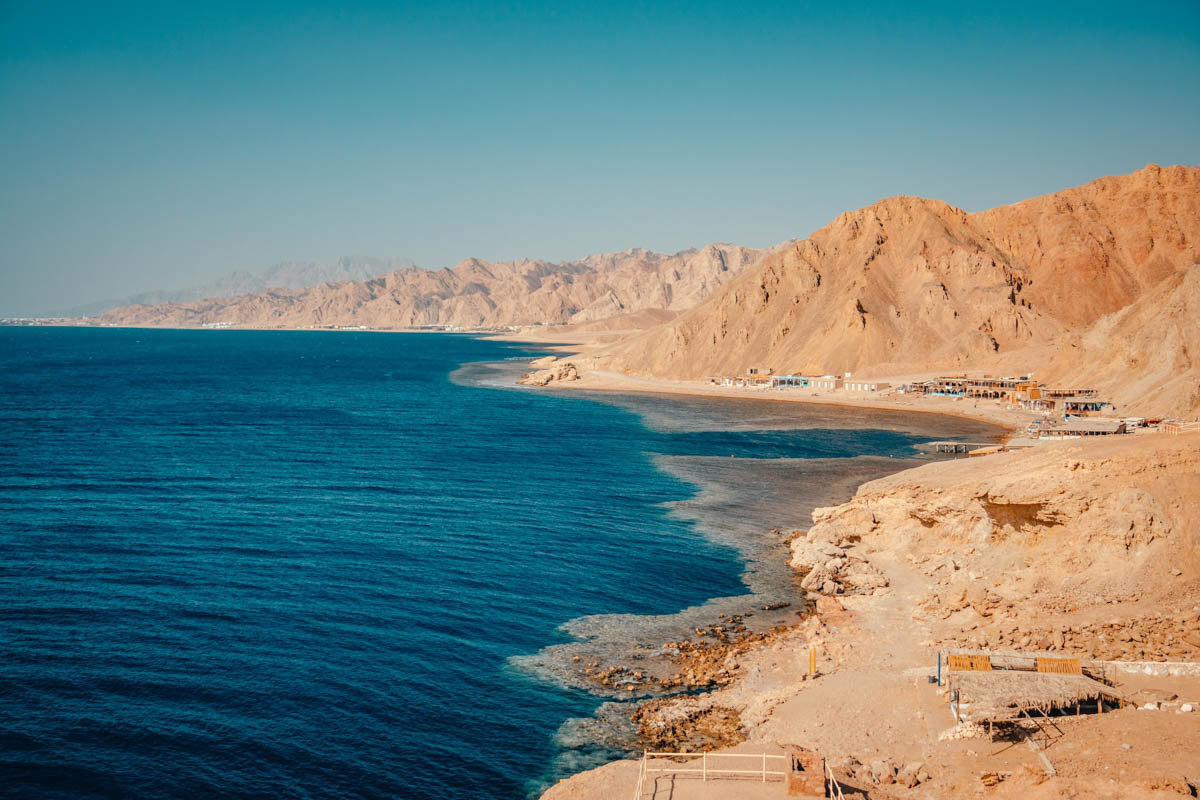
Photo by Raimond Klavins on Unsplash
Dahab, Egypt
Sharm El Sheikh often dominates Red Sea conversations, but Dahab offers many of the same conditions at a much lower cost and with a far more relaxed atmosphere. The mountains sit behind the town, the sea is just steps away, and the rhythm feels more like a dive village than a resort strip.
Summer brings warm water temperatures around 26–28°C (79–82°F), stable weather, and exceptional visibility often exceeding 30 meters (98 feet).
Dahab keeps costs down because many of its best dive sites are shore-accessible. Sites like Lighthouse Reef suit beginners with shallow coral gardens and easy navigation, while Canyon and Bells attract more confident divers with dramatic topography and deeper profiles reaching 30 meters (98 feet) or more.
The famous Blue Hole deserves nuance. While it is often overhyped online, the outer reef and surrounding dive sites are genuinely spectacular when approached conservatively and within recreational limits. Summer mornings tend to offer calmer conditions before afternoon winds pick up.
Marine life includes napoleon wrasse, turtles, lionfish, moray eels, and seasonal pelagic visitors. Divers comfortable with shore entries and a more independent style of diving often find Dahab one of the most affordable ways to enjoy world-class reef systems without a luxury-resort budget.
Dahab is also a place where small movements matter. The SSI Perfect Buoyancy Specialty can be especially useful here because better control helps divers protect coral, improve air consumption, and move with less effort.
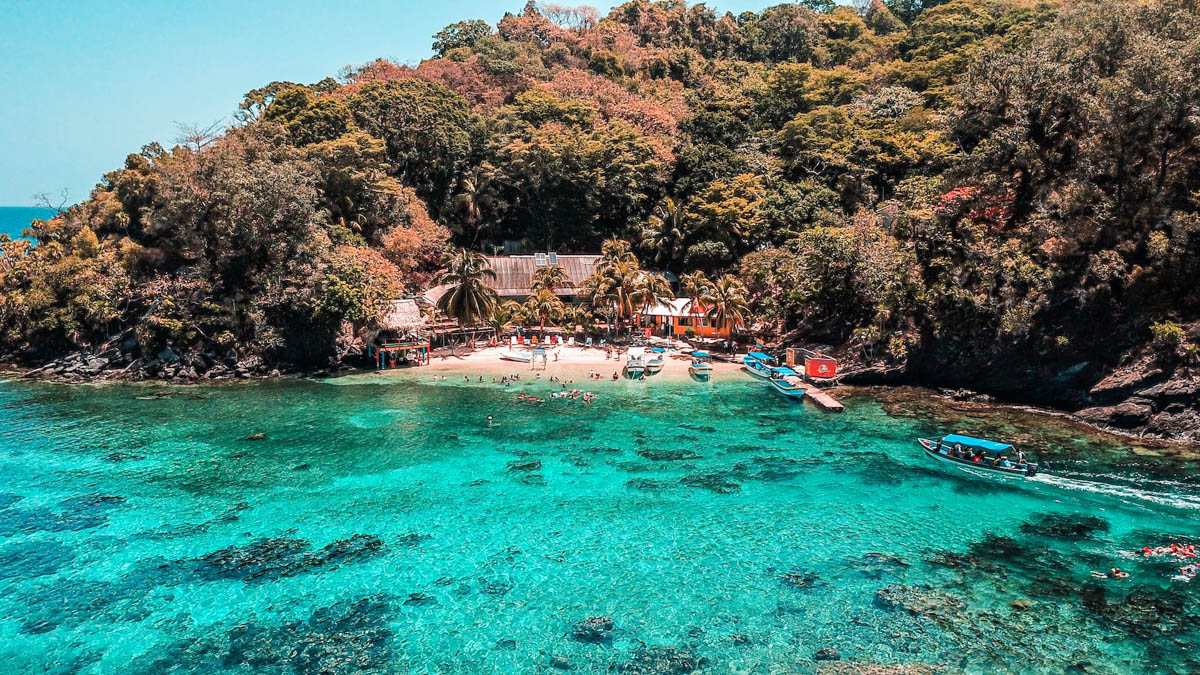
Photo by Carlos Zacapa on Unsplash
Utila, Honduras
Utila remains one of the Caribbean’s best-value dive hubs, but summer is when it quietly shines. Between June and August, water temperatures hover around 28–29°C (82–84°F), seas often settle, and whale shark sightings remain possible, particularly around deeper offshore waters.
Unlike destinations where whale shark encounters dominate marketing, Utila’s appeal is broader. Summer combines affordable diving with relaxed reef conditions and healthy coral systems, so the trip does not depend on one lucky sighting.
Sites such as Black Hills feature dramatic volcanic formations and sponge-covered ridges between 12 and 30 meters (39 to 98 feet), while Halliburton Wreck offers an easy wreck dive for divers just starting their wreck experience.
One of Utila’s biggest strengths is its accessibility for newer divers and travelers on tighter budgets. Affordable accommodation, inexpensive food, and competitive dive pricing make it particularly attractive for students, backpackers, or divers wanting to complete an SSI certification while traveling.
Experienced divers still find value here too, especially during longer stays that allow flexibility around changing weather and wildlife opportunities.
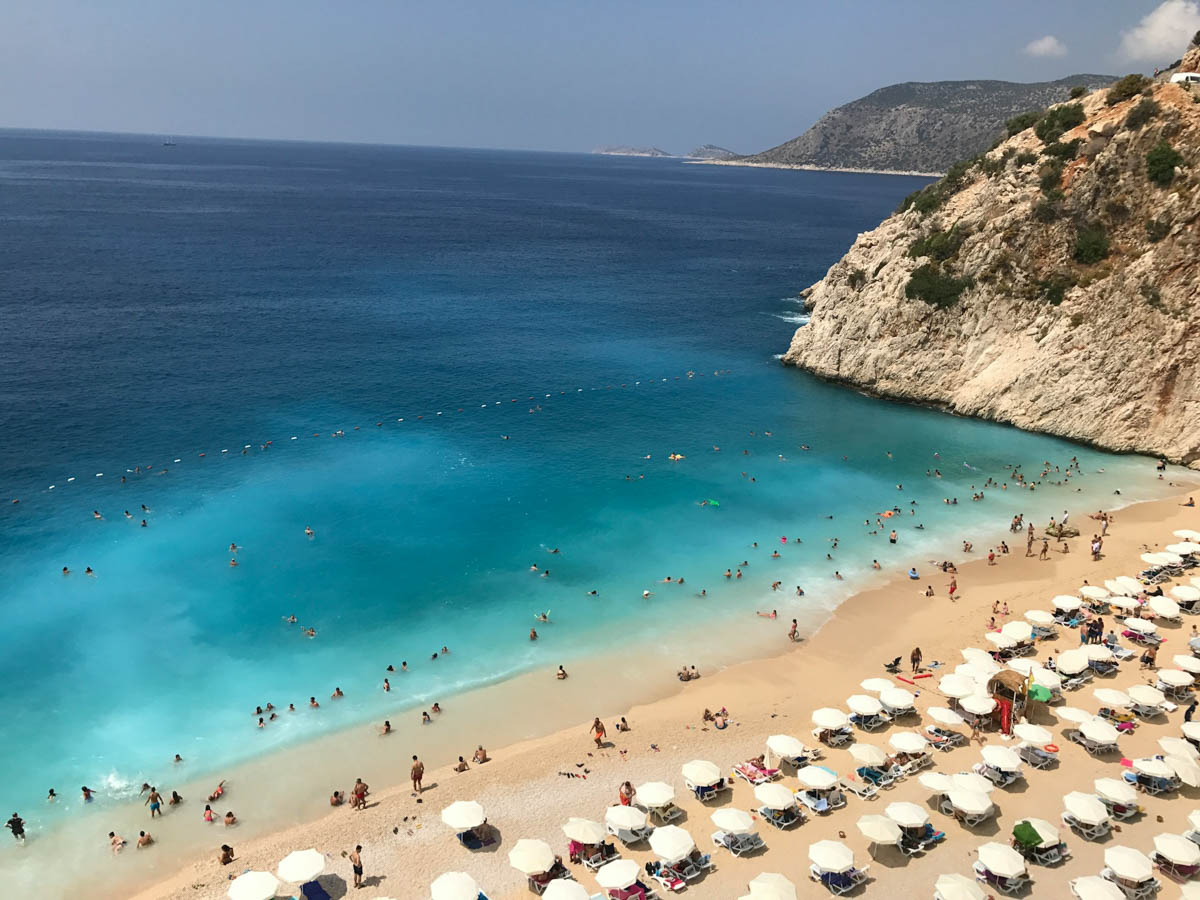
Kaş, Turkey
Photo by Serdar Dincer on Unsplash
Kas, Turkey
Turkey rarely appears on bucket-list diving articles, which is exactly why Kas feels refreshing. Located along the Mediterranean coast, this laid-back town enjoys warm summer water temperatures of around 24–28°C (75–82°F), calm seas, and consistently good visibility often reaching 30 meters (98 feet).
Kas is known for underwater archaeology, caves, and wrecks rather than dense tropical reefs. The underwater scenery feels rocky, blue, and atmospheric, with sunlit stone, swim-throughs, and ancient-looking structures that give the dives a distinctly Mediterranean mood.
The Dimitri wreck is often dived around the mid-20-meter range, making it suitable for intermediate divers in the right conditions, while the nearby canyon system creates dramatic swim-through opportunities.
Summer is when Kas feels at its easiest. Calmer seas make boat travel more comfortable and help dive boats reach offshore sites more consistently. Below the surface, sunlight falls across pale rock, reef fish gather around the boulders, and a passing loggerhead turtle can turn a simple Mediterranean dive into the memory you talk about later.
Kas particularly suits divers who value scenery and cultural travel alongside diving. Costs remain noticeably lower than much of Western Europe during peak summer, especially if you travel independently and stay in local guesthouses.
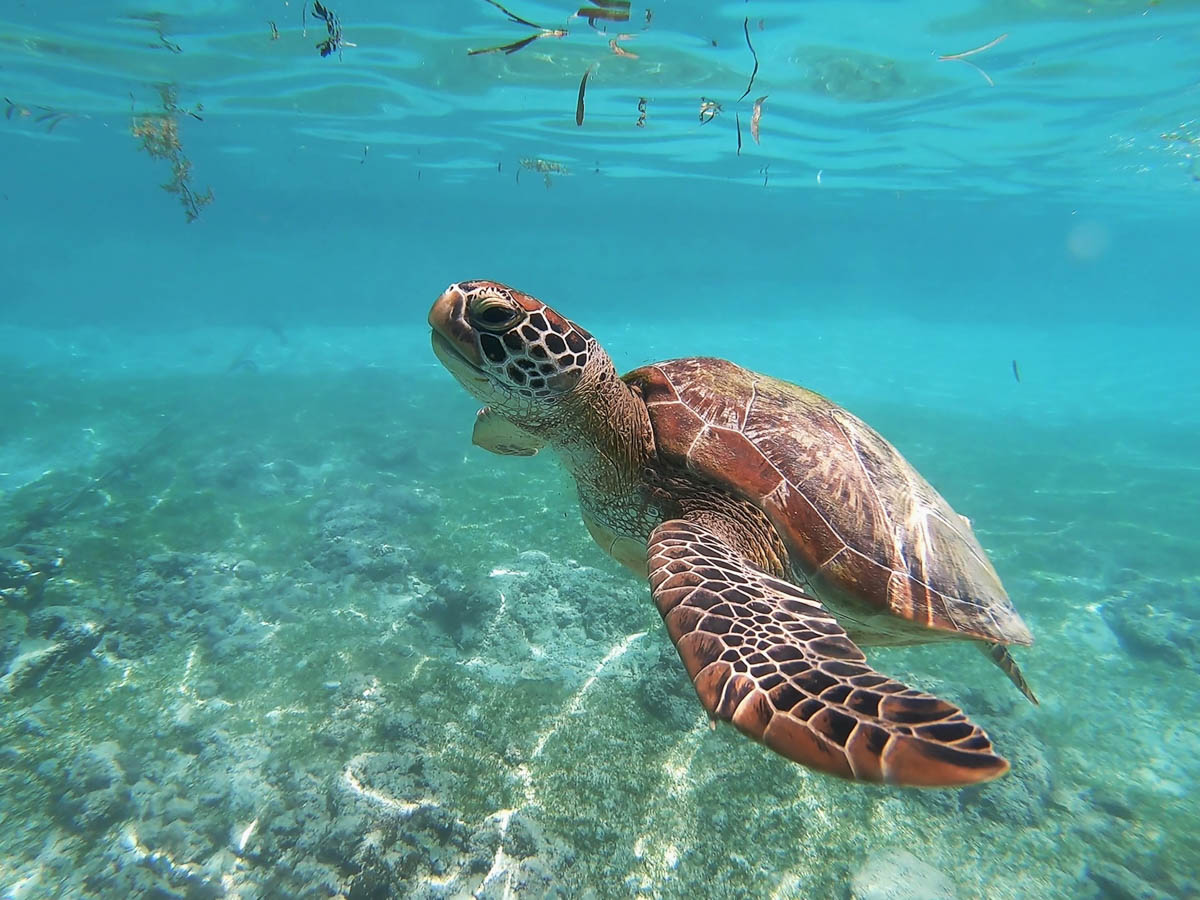
Puerto Galera, Philippines
The Philippines has no shortage of affordable diving, but Puerto Galera offers one of the best balances between cost, accessibility, and marine diversity. Summer conditions, particularly between March and June, bring calmer seas and excellent visibility that can exceed 25 meters (82 feet).
Located just a few hours from Manila, Puerto Galera delivers an impressive variety of diving for relatively little cost. Sites like The Canyons are famous for current-driven dives filled with snapper, giant trevally, and reef fish activity. Meanwhile, shallower reefs and muck sites reveal frogfish, seahorses, nudibranchs, and unusual crustaceans.
Dive depths vary widely, from beginner-friendly coral gardens around 10 meters (33 feet) to stronger drift dives beyond 30 meters (98 feet). Summer tends to bring calmer crossing conditions from Batangas, making travel easier and reducing weather disruptions.
Because some sites are shaped by moving water, Puerto Galera rewards divers who understand how currents affect comfort, positioning, and dive planning. The SSI Waves, Tides and Currents Specialty can help divers prepare for current-driven sites before they get in the water.
Puerto Galera works especially well for mixed groups because macro photographers, newer divers, and more advanced current lovers can all find something rewarding close by.
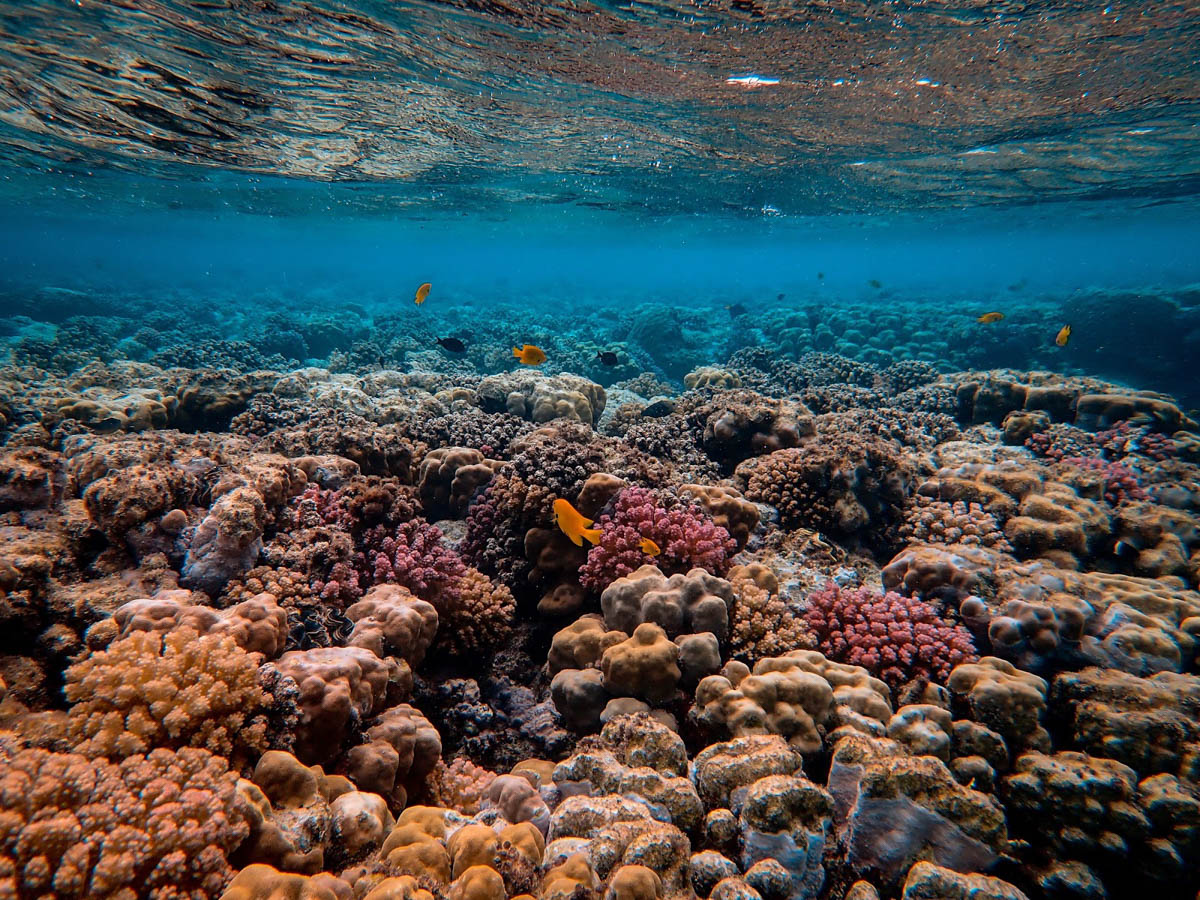
Koh Tao, Thailand
Koh Tao has long been associated with affordable dive training, but writing it off as “just a beginner island” misses what summer offers here. While Thailand’s Andaman coast shifts toward monsoon conditions, the Gulf of Thailand often remains pleasantly diveable through much of summer.
Water temperatures sit around 28–30°C (82–86°F), and sites like Chumphon Pinnacle and Sail Rock often experience increased fish activity. Sail Rock offers one of Thailand’s best-value advanced dives, with schooling barracuda, giant trevally, and the famous chimney swim-through descending to around 18 meters (59 feet).
Conditions suit newer divers, though stronger sites appeal to experienced divers too. Koh Tao remains one of the more affordable places to gain diving experience or complete further SSI training without feeling rushed.
Travel Tips for Affordable Summer Dive Trips
Keeping costs low in summer often comes down to planning rather than sacrifice. Traveling slightly outside school holiday periods can reduce accommodation costs, even in popular destinations.
Booking accommodation separately from dive packages also sometimes works out cheaper, particularly in places like Bali and Utila.
Small regional flights deserve extra attention. Budget airlines often have strict baggage allowances, and dive gear weight adds up quickly. Carrying heavier essentials like dive computers and masks in hand luggage can help avoid excess fees.
If you plan to dive multiple days, staying near shore-diving destinations often saves money compared to daily boat fees. Places like Tulamben, Dahab, and Utila are especially good examples of this.
Finally, focus on destinations where summer genuinely improves conditions. Affordable diving feels far less “budget” when visibility is excellent, marine life is active, and weather disruptions are minimal. A well-chosen, seasonal destination often delivers more value than a luxury trip taken at the wrong time of year.
You can also use Scubago to compare dive centers and trips worldwide when you want to match your budget with the type of diving and local support you need.
Summer diving does not need to cost a fortune. With smart timing and the right destination, you can enjoy clear water, thriving reefs, exciting marine encounters, and unforgettable experiences while still keeping your travel budget intact.
Comments