



Saltwater pushes every piece of equipment to its limits. Materials that perform well on land can weaken much faster once they face constant moisture and corrosive seawater. If you’ve ever wondered what makes marine-grade metals different, the answer starts with the way these materials resist damage while supporting reliable performance below the surface.

Resistance to Saltwater Corrosion
Marine environments never stop challenging metal surfaces. Salt accelerates corrosion, and that process can shorten the lifespan of equipment that lacks the right material properties. Marine-grade metals stand apart because they contain alloying elements that slow corrosion and protect structural integrity over time.

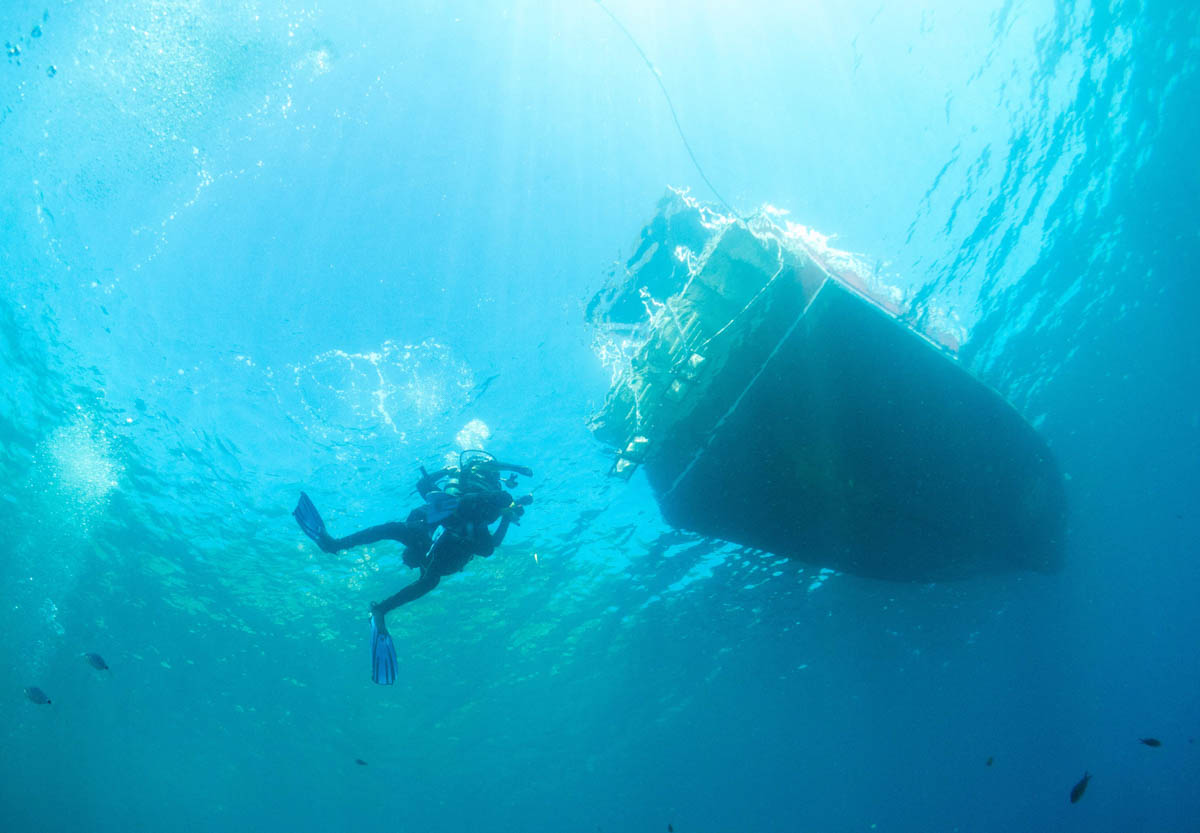
That protection matters whether you’re diving from a boat, exploring a wreck, or using underwater tools. Strong corrosion resistance helps equipment remain dependable after repeated exposure to seawater. Instead of fighting constant deterioration, divers and marine professionals can focus on the task in front of them.

Strength Matters Under Pressure
Water pressure increases as depth grows, and equipment must continue performing without losing stability. Marine-grade metals combine strength with toughness, allowing components to handle demanding underwater conditions while resisting fatigue from repeated use.
Many underwater systems also rely on welded assemblies that face both mechanical stress and corrosive environments. Understanding why bronze alloys support those demanding conditions provides useful context. The relationship between material selection and weld performance becomes much clearer when viewed through the demands of marine applications.
Durability Supports Safer Diving
Reliable equipment improves confidence before every dive. When manufacturers choose metals that withstand harsh marine conditions, they reduce the chance of premature wear affecting critical components. That consistency supports safer operation throughout the equipment’s service life.
Several characteristics separate marine-grade metals from standard materials:
- Excellent resistance to saltwater corrosion
- High mechanical strength under continuous stress
- Strong durability during repeated marine exposure
- Reliable performance after frequent temperature changes
- Good compatibility with demanding welded assemblies
Each quality contributes to equipment that performs consistently. That long-term reliability benefits recreational divers and commercial operators alike.
Alloys Serve Different Roles
No single marine-grade metal fits every application. Engineers match each alloy to the environment where it will operate because underwater conditions vary from one project to another. The right balance of strength, corrosion resistance, and durability depends on the equipment’s intended purpose.
Some components require greater wear resistance because moving parts experience constant friction. Other applications place greater value on corrosion protection because they remain submerged for extended periods. Material selection reflects those priorities and helps each component deliver dependable performance throughout its service life.
Adequate Materials Mean Better Adventures
Every successful dive depends on preparation before anyone enters the water. Quality equipment starts with thoughtful engineering, which begins with selecting materials that can handle marine environments.
As diving technology continues to advance, material science will remain part of every improvement. Stronger, longer-lasting metals support safer equipment, more dependable vessels, and underwater tools that withstand years of demanding use. Understanding those materials adds another layer of appreciation for the engineering that makes every dive possible.
Comments