


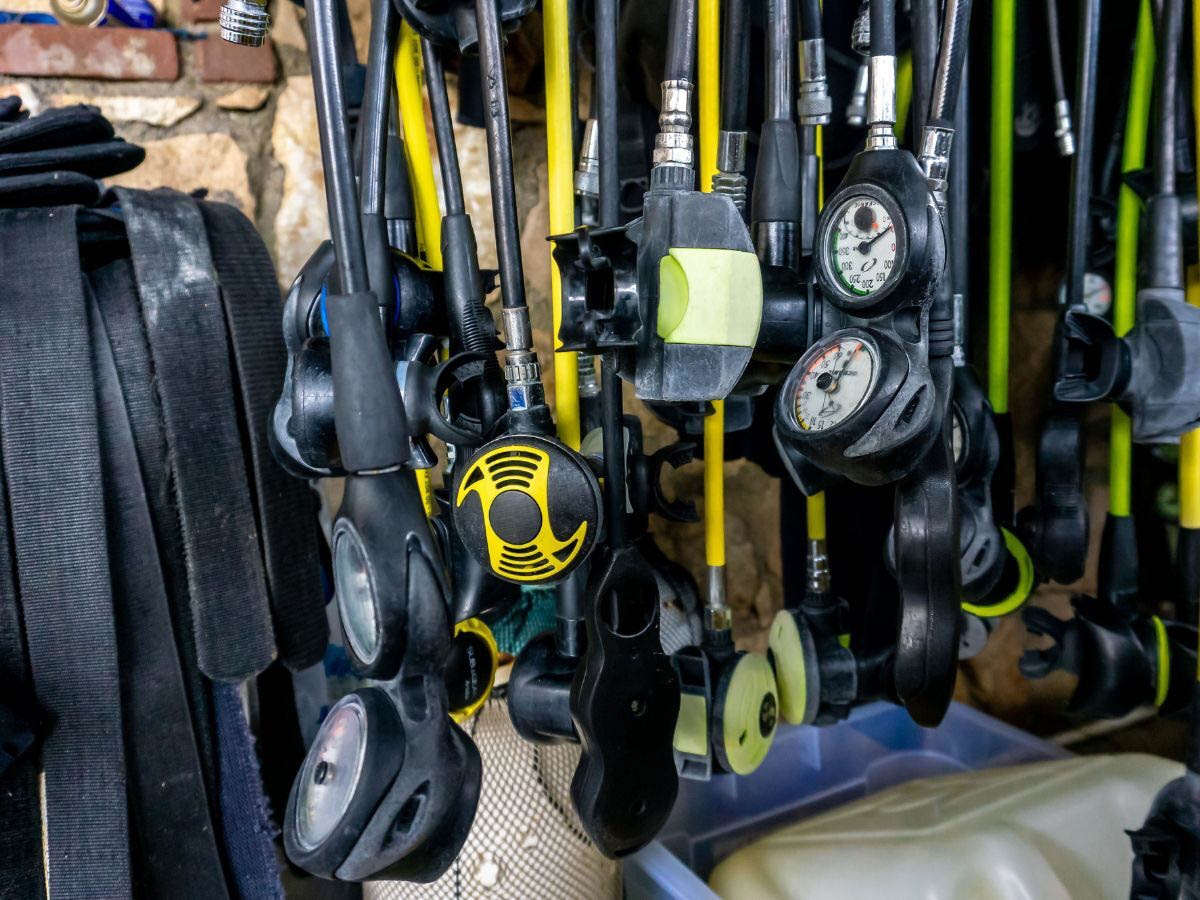
Scuba equipment lasts longer when storage conditions stay stable and clean. Many divers overlook the hidden risks between trips. The dangers your scuba gear faces while in storage often develop slowly, making damage harder to notice before the next dive.
Moisture and Condensation
Moisture remains one of the biggest threats to scuba gear. Damp conditions encourage mold growth inside wetsuits, BCDs, and regulator hoses. Salt residue also attracts moisture long after equipment dries.
Metal components corrode quickly in humid spaces. Zippers, buckles, clips, and tank valves can weaken over time. Condensation inside storage areas creates even bigger problems during seasonal temperature swings.
Large storage buildings need proper climate control and airflow. One of the key features worth adding to pole barn buildings intended for storage is advanced insulation. While this can make it easier to maintain temperatures in the building, it also serves to reduce condensation, which is critical for gear in long-term storage.
Heat Damage
High temperatures shorten the lifespan of many scuba materials. Rubber seals crack faster when exposed to extreme heat. Silicone and plastic parts may warp or become brittle.
Attics, garages, and sheds often trap heat during summer months. Tank pressure can fluctuate in hot environments, placing additional stress on valves and seals. Direct sunlight also fades fabrics and weakens neoprene.
Stable temperatures help preserve expensive dive equipment between adventures.
Pest Infestations
Rodents and insects frequently invade quiet storage spaces. Mice chew straps, hoses, and soft neoprene materials. Spiders and insects sometimes settle inside boots, gloves, and regulator bags.
Dust buildup attracts pests while reducing airflow around equipment. Sealed storage bins help limit exposure, though trapped moisture still creates risks. Clean, dry gear is less likely to attract these problems.
Routinely inspect the state of your gear and the storage area. If a problem appears, you want to be able to catch it long before it leads to permanent damage.
Improper Tank Storage
Scuba cylinders require careful handling during long storage periods. Completely empty tanks may allow internal moisture contamination. Fully pressurized tanks can stress valves over time.
Most divers store tanks with partial pressure to protect the interior. Cylinders should remain upright in secure positions away from direct heat sources. Rust around tank boots often signals trapped moisture beneath the cylinder.
Annual inspections remain essential, even when a tank will sit unused for months.
Chemical Exposure
Fuel, paint, cleaners, and fertilizers release fumes that damage scuba materials. Rubber and plastic components absorb airborne chemicals surprisingly fast. Strong odors inside storage areas often indicate poor ventilation.
Garages frequently expose gear to gasoline vapors and household chemicals. Separate storage areas reduce contamination risks and preserve sensitive diving equipment.
Fresh air and circulation will keep materials in better condition throughout the year.
Protecting Your Gear Between Dives
Smart storage habits reduce repair costs and extend equipment life. Clean, dry, temperature-controlled spaces offer the best protection for diving gear. Regular inspections also catch small issues before they become safety concerns.
Experienced divers recognize the dangers scuba gear faces while in storage. Take action today to protect your equipment long before the next trip begins.
