


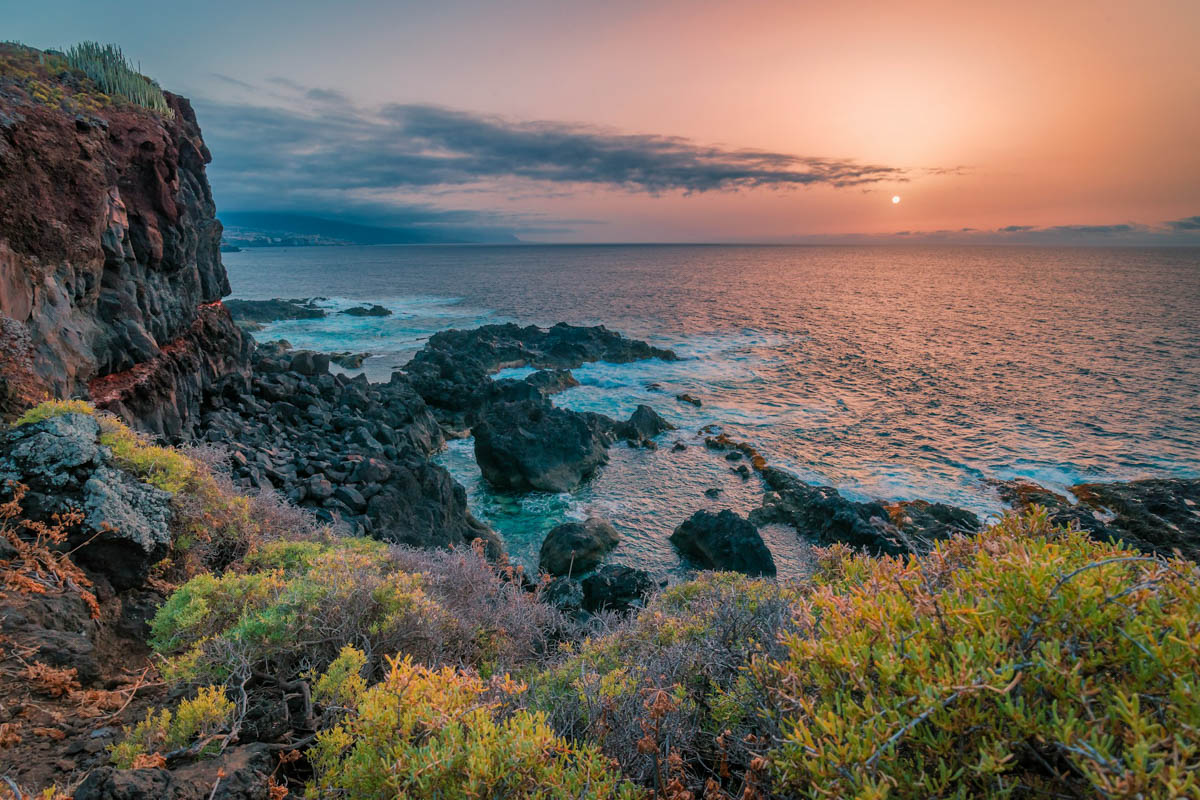
New protected zones around the Canary Islands and Mediterranean would safeguard reefs, seagrass, submarine canyons and important marine habitats as Spain moves towards its 2030 conservation targets.
Spain has proposed the creation of 23 new marine protected areas covering more than 22,000 square kilometres of ocean around the Canary Islands and in the Mediterranean.
The proposal, put forward by Spain’s Ministry for the Ecological Transition and the Demographic Challenge (MITECO), has entered public consultation as the country works towards its commitment to protect 30% of its marine waters by 2030.
If approved, the new areas would cover approximately 22,405 square kilometres and increase the proportion of Spanish waters under some form of marine protection to around 24.5%.
Most Of The New Sites Would Be Around The Canary Islands
The proposal includes 21 new Sites of Community Importance under the European Union’s Natura 2000 network.
Seventeen would be located around the Canary Islands, covering approximately 2,209 square kilometres, while another four Mediterranean sites would encompass around 5,341 square kilometres.
Two additional Special Protection Areas for seabirds are proposed in offshore Canary Islands waters, covering a much larger combined area of approximately 14,855 square kilometres.
The Mediterranean proposals include waters off Valencia, Almería and Granada, together with waters around Mallorca in the Balearic Islands.
The Spanish government’s public consultation remains open until September 15, 2026.
Reefs, Seagrass And Marine Life Could Benefit
For divers, the significance of the proposal lies less in the headline area figures and more in the habitats the new designations are intended to protect.
The proposed Natura 2000 sites encompass reefs, seagrass meadows and submarine canyons alongside habitat used by cetaceans, marine turtles and numerous other species of conservation importance.
Canary Islands waters in particular support exceptionally diverse marine ecosystems created by the archipelago’s position in the eastern Atlantic.
Black corals form complex underwater habitats on rocky seabeds, while seagrass provides important feeding and nursery habitat. The surrounding Atlantic waters also support turtles, sharks, rays and numerous cetacean species.
In the Mediterranean, Posidonia oceanica seagrass meadows are among the habitats targeted for protection. These ecosystems provide habitat for marine life while also storing carbon and helping stabilise the seabed.
Protection On Paper Is Only The Beginning
The scale of Spain’s proposal is significant, but designating an area as protected does not necessarily mean that all potentially damaging activities will be prohibited.
That distinction is particularly important when considering what the announcement might mean for divers.
Natura 2000 status does not automatically prohibit recreational scuba diving. The activities permitted within individual areas ultimately depend on their conservation objectives and subsequent management measures.
Spain has also faced criticism from marine conservation organisations over the effectiveness of some existing protected areas.
Research and conservation assessments have highlighted a gap between the amount of Spanish ocean carrying a protected designation and the considerably smaller proportion receiving stringent protection or active management.
A 2025 study published in Marine Policy, for example, concluded that much of the area covered by Spanish marine protected areas in the Mediterranean lacked protection levels considered sufficient to effectively safeguard biodiversity.
The situation makes what happens after designation just as important as the number of square kilometres appearing on a map.
Effective management plans, enforcement, monitoring and restrictions on activities capable of damaging sensitive habitats will ultimately determine how much conservation benefit the proposed areas deliver.
Spain Moves Towards Its 30% Target
Spain currently has approximately 22.5% of its marine waters designated as protected. The government estimates that the latest proposal would add around 2.08 percentage points, bringing the total to approximately 24.53%.
That would move the country closer to the international target of protecting at least 30% of marine and terrestrial areas by 2030.
The proposal should not yet be described as the creation of 23 new marine protected areas. The sites remain proposed, with the public consultation forming part of the process towards possible designation.
For Spain’s divers and wider marine community, however, the scale of the proposal is noteworthy.
More than 22,000 square kilometres of ocean could receive new conservation status, including reefs, seagrass beds, deep-water habitats and areas used by some of the Atlantic and Mediterranean’s most recognisable marine species.
The bigger question will be whether those designations are followed by the management and protection needed to make a measurable difference beneath the surface.
