

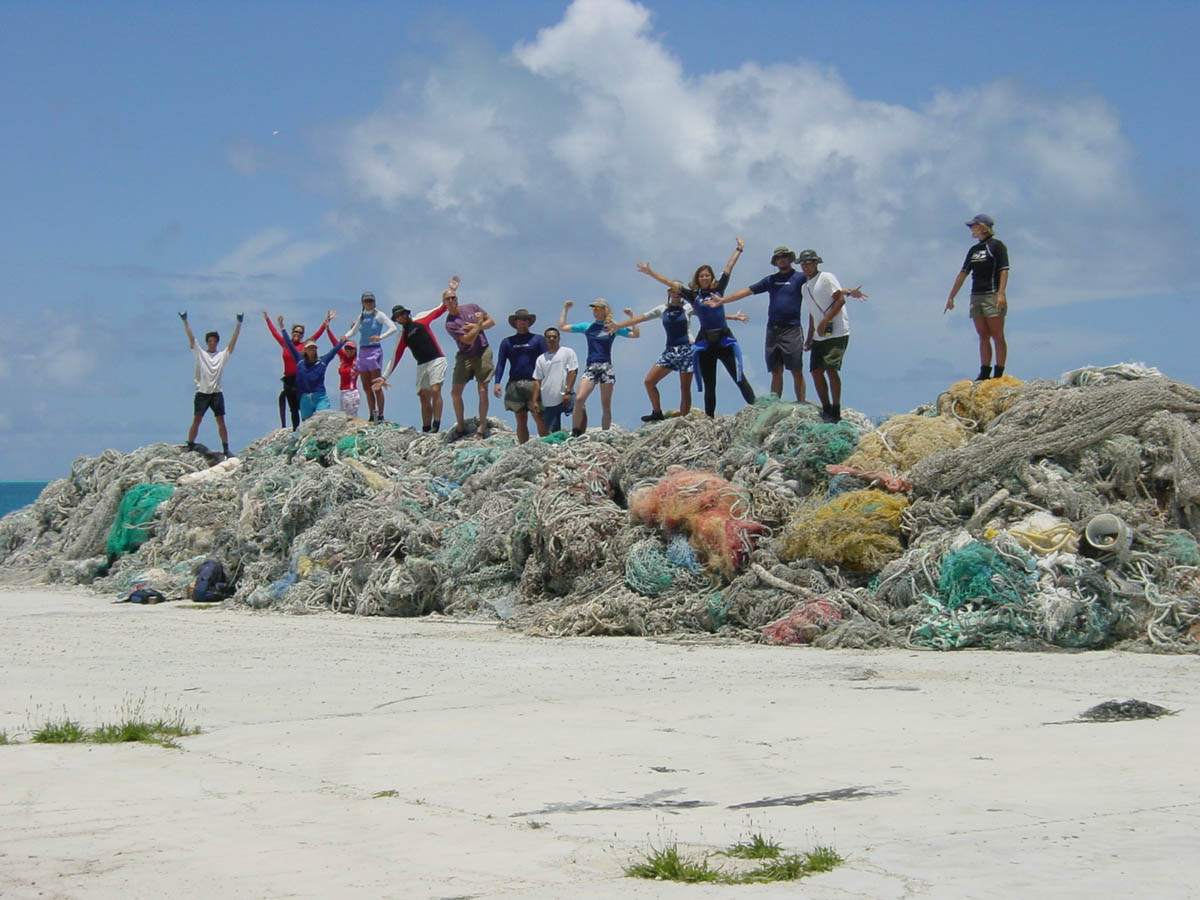
Removing rubbish from the ocean is not always a matter of collecting discarded bottles or fishing line. Some marine debris is so large, deeply submerged or difficult to access that recovering it becomes a complex operation involving specialist divers, lifting equipment, surface support teams and carefully coordinated logistics.
As the National Oceanic and Atmospheric Administration (NOAA) marks 20 years of its Marine Debris Program, the organisation is highlighting the increasingly sophisticated methods used to tackle some of America’s most challenging underwater pollution problems.
For the diving community, these projects reveal a demanding side of marine conservation, where underwater skills and operational planning can be just as important as environmental ambition.
When Marine Debris Becomes an Underwater Engineering Challenge
Lost fishing gear, abandoned vessels and deteriorating coastal structures present very different problems from the smaller items commonly associated with marine litter.
Some objects become entangled with the seabed or surrounding habitat. Others are too heavy to move without mechanical assistance. In certain situations, recovering the debris requires a combination of underwater assessment, specialist lifting techniques and coordinated surface operations.
In its October 2026 feature, Float It, Lift It, Swim It, Fly It: Addressing Large-Scale Marine Debris, NOAA describes the range of approaches used by its project partners to remove large debris from marine and coastal environments.
These approaches can involve divers, cranes, flotation equipment and even helicopters, depending on the nature of the material and the location of the operation.
The diversity of techniques illustrates an important reality: there is no single solution to large-scale marine debris.
The Specialist Diving Element
Where debris lies beneath the surface, divers can play a vital role in understanding the problem and carrying out recovery work.
Unlike routine recreational diving, these operations may require working around heavy objects, submerged structures or fishing equipment that has become tangled underwater.
The precise responsibilities of the diving team depend on the project. Potential tasks include examining submerged debris, helping establish recovery arrangements and supporting the controlled removal of material that cannot be retrieved directly from the surface.
Such operations demand more than conventional diving proficiency.
Teams must consider the condition and stability of the debris, the surrounding environment, underwater visibility, currents, potential entanglement hazards and the relationship between personnel below the surface and equipment operating above.
Where lifting systems are involved, communication and coordination become particularly important. Unexpected movement of a heavy object can introduce serious hazards, making planning and clearly defined operational responsibilities essential.
The exact procedures, qualifications and equipment used vary between organisations and projects. NOAA’s anniversary overview demonstrates the diversity of recovery methods, rather than prescribing a single specialist-diving approach.
Float It, Lift It, Swim It, Fly It
The title of NOAA’s anniversary feature captures the practical ingenuity involved in recovering large marine debris.
Flotation equipment can provide a means of bringing suitable submerged objects towards the surface, while mechanical lifting equipment may be needed where the weight, shape or location of debris makes simpler recovery impractical.
Divers can contribute to underwater stages of these operations, although the extent of their involvement depends on the particular recovery plan.
Other projects require different solutions entirely.
Abandoned vessels and large coastal structures can create logistical challenges extending well beyond the waterline. Access, transport, disposal and the protection of surrounding habitats must all be considered.
In some circumstances, helicopters or other specialist equipment provide options that conventional marine recovery methods cannot readily offer.
The objective is not simply to move an unwanted object. It is to remove it in a way that avoids creating additional danger or unnecessary environmental damage.
Why Removing Large Debris Matters
The consequences of abandoned marine debris extend beyond its appearance.
Lost fishing equipment can continue to trap marine life, while submerged objects may damage sensitive habitats or interfere with navigation.
Larger debris can also create problems for coastal communities, particularly following severe weather events that leave vessels, infrastructure and other material displaced.
NOAA says investments in large-scale debris removal support projects responsible for removing millions of pounds of material, helping communities recover from disasters, improving navigational safety, supporting employment and restoring important habitats.
These benefits demonstrate why marine debris recovery has become an important intersection between environmental protection and specialist marine operations.
A successful recovery can remove a physical hazard while also improving conditions for the ecosystems and communities affected by it.
Twenty Years of Changing Challenges
NOAA’s Marine Debris Program is marking its twentieth anniversary in 2026, providing an opportunity to examine how approaches to marine pollution have evolved.
The programme works with partners on projects addressing different forms of debris across the United States.
The latest anniversary feature places particular emphasis on the scale and complexity of some recovery operations.
It also highlights the importance of collaboration. Large debris removal is rarely the responsibility of a single individual or discipline. Depending on the project, it may involve diving teams, marine contractors, environmental specialists, vessel operators, engineers and community organisations.
The equipment and techniques vary, but the underlying challenge remains consistent: removing unwanted material while protecting the people and environments involved.
A Different Perspective on Diving and Conservation
Marine conservation is often associated with reef monitoring, underwater photography, citizen-science programmes and volunteer cleanups.
Large-scale debris removal reveals another dimension.
It can require professional diving expertise, specialised equipment and the ability to work within complex marine operations.
These projects also demonstrate that underwater environmental work does not always produce the dramatic imagery associated with reef restoration or wildlife encounters.
Sometimes the achievement is the safe recovery of a dangerous object, the removal of fishing equipment from a sensitive area or the clearance of material that has obstructed a coastal environment for years.
For the wider diving industry, NOAA’s anniversary provides a reminder that the skills developed for working underwater have applications far beyond exploration and recreation.
The ocean’s most difficult cleanup challenges are not always visible from the surface. Addressing them can depend on the expertise of the people prepared to work beneath it.
