



India has never been the loudest voice in global diving conversations, yet its coastline hides a surprising variety of underwater environments. From remote island chains to lesser-known mainland reefs, the country is gradually finding its place on divers’ travel maps. Rather than repeating the usual destination lists, this guide looks at where India’s diving scene is evolving, why divers are paying attention, and what makes these locations worth considering right now.
Andaman Islands, India’s Gateway to Tropical Diving
India’s most talked-about dive region sits in the Bay of Bengal, where volcanic islands create sheltered reefs and clear water conditions that feel closer to Southeast Asia than the Indian mainland. According to the global travel overview on PADI’s India diving guide, the Andamans combine colourful coral formations with pelagic encounters and swim-through landscapes, giving divers an unusually broad range of experiences within a single destination.
Local travel resources like Go2Andaman’s seasonal diving overview highlight the October to May window as particularly rewarding, when calmer seas and improved visibility increase the chances of spotting reef life. Dive sites around Havelock and Neil Island have become favourites for newer divers thanks to relatively gentle conditions, yet deeper sites continue to draw experienced travellers searching for bigger encounters.

What makes the Andamans stand out is their balance. You can find beginner-friendly reefs, colourful macro life, and the possibility of manta rays or dugongs in the same trip. It is this mix of accessibility and biodiversity that keeps the region at the centre of India’s diving story.
Lakshadweep, India’s Quiet Coral Atolls
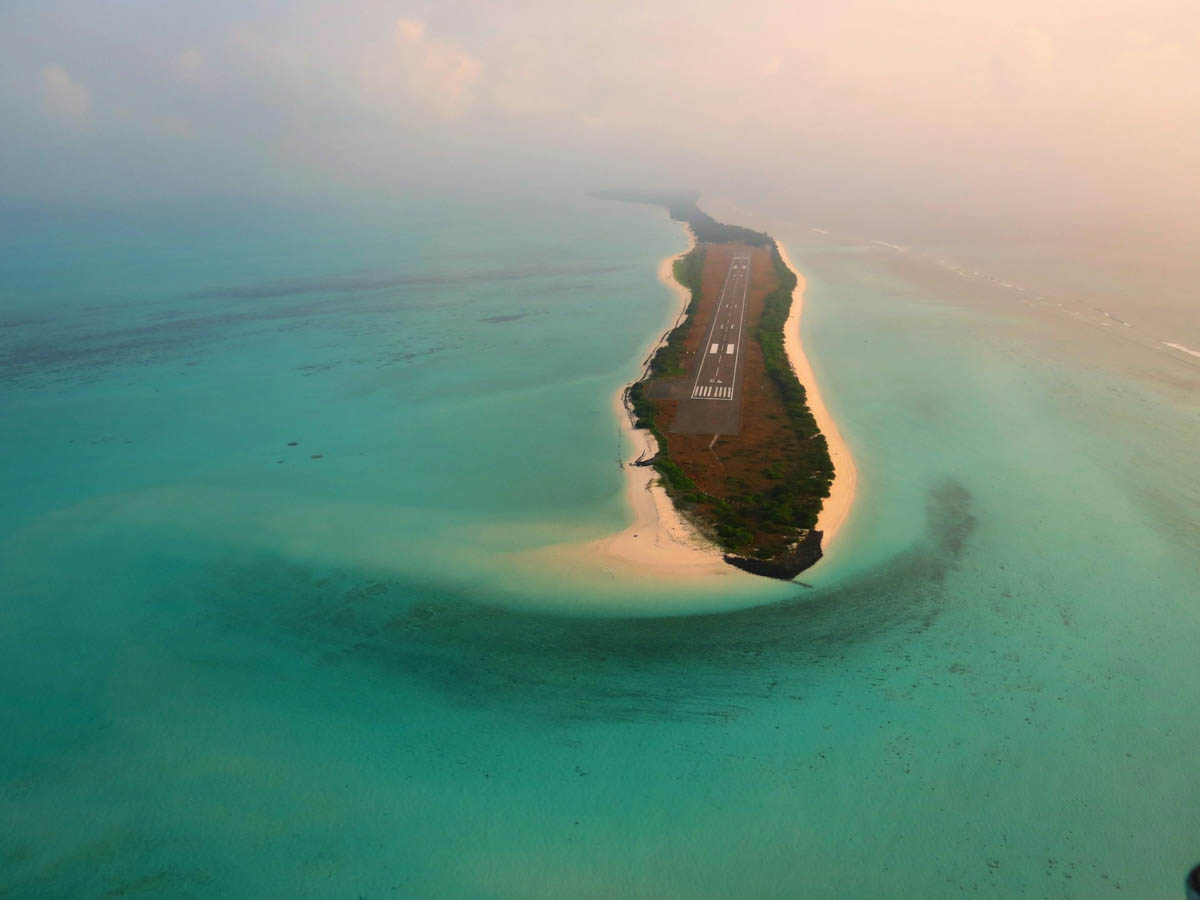
While the Andamans receive much of the spotlight, Lakshadweep offers a different kind of underwater experience. These coral atolls sit off India’s southwest coast, where lagoons and reef systems create clear blue water and gentle drift conditions. Tourism promotion from Incredible India’s scuba diving overview describes the archipelago as an emerging hub for underwater sports, with healthy coral environments and a growing number of organised dive experiences.

Lakshadweep still feels remote compared with more established dive destinations. That sense of isolation can be part of its appeal, especially for travellers seeking quieter reef exploration rather than busy resort hubs. Visibility tends to be excellent, and the shallow reef structures make it easy to enjoy long dives without extreme depths.
Divers often compare the atolls to the Maldives in atmosphere, although Lakshadweep remains less developed. For travellers willing to navigate the logistics, the reward is a glimpse of coral ecosystems that feel largely untouched by mass tourism.
Netrani Island, Karnataka’s Mainland Surprise
India’s mainland coast rarely receives the same attention as its island chains, yet Netrani Island, also known as Pigeon Island, is changing that perception. Information from PADI’s Netrani dive site listing describes clear water, strong biodiversity, and the possibility of encounters with barracudas, moray eels, and even whale sharks during rare sightings.
Local operators such as Dive Netrani’s official site note that visibility can exceed 15 metres and water temperatures typically remain warm year-round, making the location accessible for both training dives and more adventurous explorations. Rocky pinnacles and reef slopes give the site a very different feel from the coral atolls of Lakshadweep, proving that India’s underwater terrain is more varied than many divers expect.
Netrani’s appeal lies in its accessibility. Unlike the remote islands, it can be reached relatively easily from Karnataka’s coastline, making it a popular introduction to ocean diving for travellers already exploring southern India.
Malvan and the Konkan Coast, A Growing Coastal Scene
Further north along the Arabian Sea, the Konkan coastline offers a quieter form of diving centred around Malvan. Historical notes on the region’s Malvan Marine Wildlife Sanctuary describe patchy coral reefs and submerged structures near Sindhudurg Fort, where divers can explore smaller reef systems that feel more local and community-driven than resort-based.
Malvan’s diving is still developing, but that is part of its appeal. The region attracts travellers who prefer exploring emerging dive destinations rather than established international hotspots. Conditions can vary more than in India’s island regions, yet the chance to dive near historic coastal landscapes gives the experience a unique character.
Why India’s Diving Scene Is Gaining Attention
India’s underwater tourism is still evolving, and that slower pace has helped preserve many reef environments. From the coral gardens of the Andaman Sea to the rocky pinnacles of Netrani, divers can experience a range of ecosystems without travelling across multiple countries.
Sources like ScubaGo’s destination overview highlight the diversity of marine life and dive styles available, from beginner reef dives to deeper explorations along the mainland coast. That variety is attracting a new generation of travellers who are looking beyond traditional global hotspots.
At the same time, infrastructure is improving. More certified dive centres, better seasonal planning, and growing international awareness are slowly reshaping how divers view India as a destination. The result is a country that feels like an emerging frontier rather than an overcrowded diving market.
The Real Appeal, Exploration Over Expectation
India’s dive scene does not try to compete directly with long-established regions like the Red Sea or Indonesia. Instead, it offers something different, the sense that you are exploring a destination still defining its identity underwater.
For divers willing to approach it with curiosity rather than expectation, India delivers a diverse collection of reefs, islands, and coastal habitats that continue to evolve. As infrastructure grows and conservation awareness expands, these waters may soon become one of the most intriguing diving frontiers in Asia.
Comments