


Affiliate Disclosure: Some content on The Scuba News may include affiliate links. Find out how this supports our work.
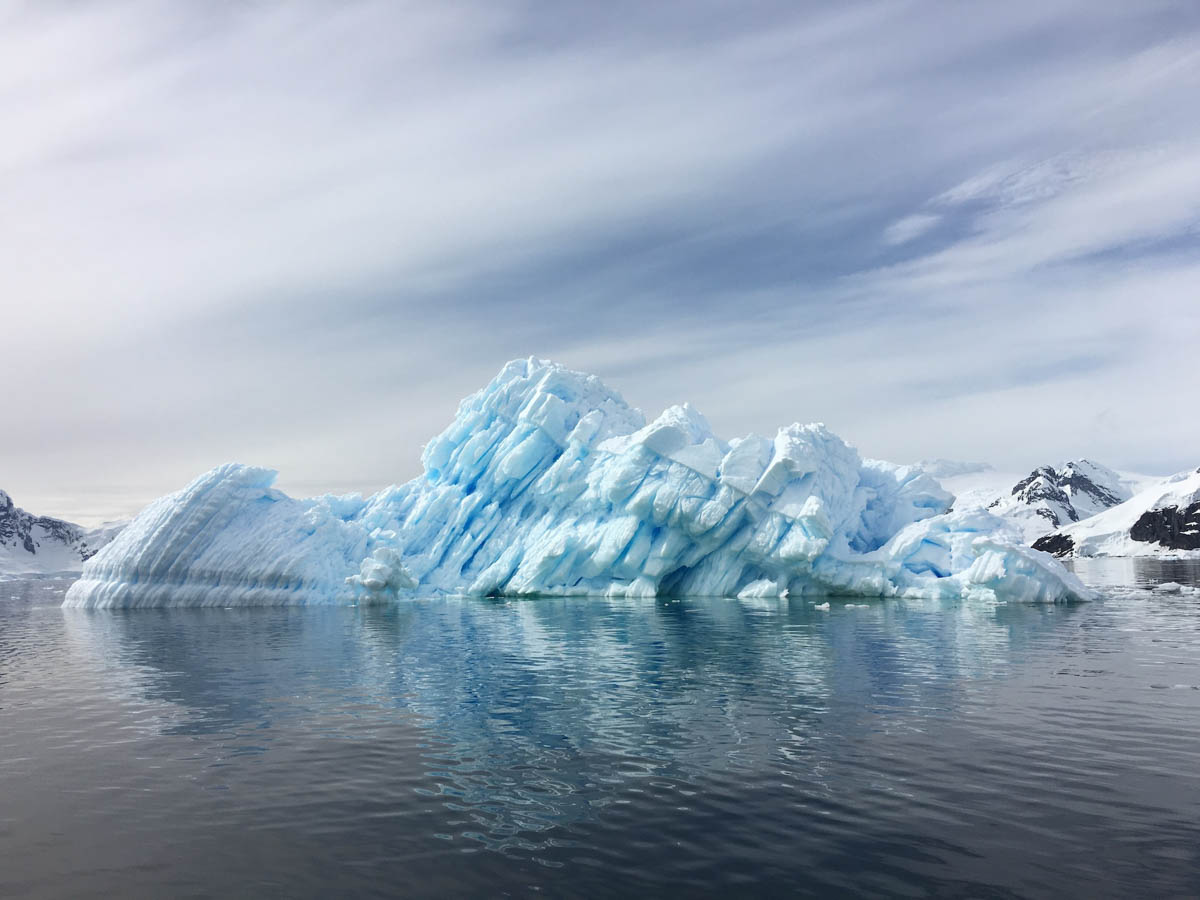
Antarctica is not a casual tick on a dive bucket list; it is an expedition into a living ice kingdom. Divers come for surreal blue cathedrals of brash ice, ghostly forests of anchor ice, and encounters with penguins, seals, and the occasional orca. The water is near freezing, the logistics are complex, and conditions can change in a heartbeat. Treated with respect, it is one of the most profound experiences a diver can have.
What “Polar Diving” Actually Means
Polar diving is drysuit diving in seawater that hovers around the freezing point of freshwater. Standard tropical kit doesn’t perform reliably at these temperatures, so operators require true cold-water setups and training. Expect drysuits, thick undergarments, two independent cold-water regulators, and careful management of exposure and dexterity. Several expedition companies stress that normal gear is not enough, and dives happen only when conditions are safe.
When to Go – and What It Feels Like
Most tourist diving happens in the high austral summer, when sea ice allows access, broadly mid-December to mid-February, within a November to March expedition window on the Peninsula. Sea temperature typically ranges from about −1.8 to +2 °C, with visibility that swings from crystal early in the season to green and murky during the intense summer plankton bloom. On the surface, sunshine hours peak in December and January, yet zodiac rides can feel colder than the dive itself.
The Underwater Scene
The Antarctic shallows can appear otherworldly. Early in the season, before blooms, you may find striking clarity under ice; later, the water is alive with plankton and small invertebrates, and many dives feel like night dives beneath a green ceiling. Benthic life is rich: sponges, soft corals, sea stars, nudibranchs, and anemones thrive. Above and around you, Adélie, chinstrap, and gentoo penguins rocket past, Weddell and crabeater seals may cruise the edge of your bubble trail, and on rare occasions, minke whales or orcas pass through.
Safety, Wildlife, and Responsible Conduct
Antarctica is protected by the Antarctic Treaty System and managed on the tourism side by members of IAATO, who publish operational procedures and visitor guidelines that reputable operators follow. Key principles include strict biosecurity, boot and clothing decontamination, and minimum wildlife approach distances to avoid disturbance. In general, divers should keep at least five metres from wildlife on land, follow site-specific rules, and treat seal and penguin colonies with exceptional care.
Wildlife is not just photogenic, it can also be powerful. Leopard seals are apex predators; professional guidance advises suspending diving after sightings and avoiding mid-water swimming when one is present. Your guides will brief you so listen closely.
Medical Reality in a Remote Place
Operators run conservative profiles with redundant kit and strict stop rules, yet polar incidents can happen. Evacuation is weather-dependent and can be delayed for days. Research stations such as McMurdo Station have a small medical facility and a decompression chamber for scientific operations, but these are not a substitute for expedition preparedness. Comprehensive insurance, including medical evacuation, is non-negotiable on reputable trips.
Getting There Without Losing Days to the Drake
Most travelers reach the Peninsula by ship from Patagonia, embarking from Ushuaia hotels or Punta Arenas stays before departure, or they skip the Drake Passage by flying to King George Island and joining their vessel there. Air-cruise itineraries charter flights from Punta Arenas to King George Island, reducing sea time and maximizing days in Antarctica. There are no scheduled commercial flights; these are expedition charters aligned to ship movements.
For those who prefer the full experience, classic voyages still depart from Ushuaia, Argentina, the traditional gateway to Antarctica.
Who Actually Lets You Dive
Not every Antarctic voyage offers scuba. You need a ship and operator with an established dive program, polar-experienced dive leads, and the right zodiac handling protocols for divers in heavy exposure gear. Specialist expedition companies publish polar diving manuals, set experience prerequisites, and typically plan one to two dives per day when conditions allow. You can explore available departures on Antarctic liveaboards offering verified scuba itineraries.
Training and Equipment, Realistically
Before you book, be honest about your background. Operators generally expect recent drysuit dives in cold water, excellent buoyancy, and comfort managing valves and shutdowns in thick gloves. You will bring your personal exposure gear and computers; ships provide cylinders, weights, and compressors. Two cold-water regulators per diver are standard, and each diver uses a computer.
What a Dive Day Looks Like
After a morning briefing, divers kit up in the ship’s mudroom and board zodiacs to reach sheltered sites off rocky coves. Entries are back-rolls away from brash ice, followed by a controlled descent and conservative profile. Most dives hover around the 10–20 metre band where light and life are richest; photographers work slowly with strobes to cut through the green. Severe wind or shifting ice may cancel a dive on short notice – flexibility is part of the deal.
Environmental Stewardship on Every Landing and Dive
Follow IAATO’s biosecurity protocols to the letter. Clean and vacuum pockets and Velcro before first arrival and between distinct regions, scrub boots in disinfectant, and keep all litter and food off the shore. Site guidelines vary, and your guides will enforce distances and timing that limit cumulative impacts at the most visited landing sites.
Photography Notes
Early season offers dramatic clarity and more ice, while late season brings higher animal activity but lower visibility. Use powerful lights or strobes, dome ports with ice-edge compositions, and careful exposure for blue-white snow. Always prioritise situational awareness over the shot.
Booking Pointers and Trip Structure
Most travelers combine Antarctica with time in Patagonia. Stay pre-cruise in Ushuaia hotels or Punta Arenas hotels to buffer weather and baggage delays, and explore local activities like Punta Arenas day tours or Ushuaia shore excursions as soft landings before or after your voyage. If your priority is underwater time, focus your research on itineraries that explicitly include scuba diving on Antarctic liveaboards with trained guides.
What It Costs and What You Get
Prices vary by ship and season, with flight-supported itineraries priced higher but saving several days of open-ocean travel. Diving is a paid add-on with limited slots. The value in a dedicated program lies not just in cylinders and zodiacs, but in polar-trained dive staff, safety cover, and the ability to pivot sites around weather, ice, and wildlife.
The Bottom Line
Antarctica rewards meticulous preparation and a humble mindset. Choose an IAATO-aligned operator with a proven dive program, arrive with recent drysuit experience, and accept that the environment calls the shots. Do that, and you will join a small cadre of divers who have finned beneath an ice ceiling and watched penguins streak through emerald light.
Practical Planning Links
Plan efficiently with these trusted sources:
- Compare pre- or post-trip stays in Ushuaia hotels and Punta Arenas hotels.
- Discover local excursions through Viator tours.
- Explore dive-enabled voyages via Antarctic liveaboards.
Comments