


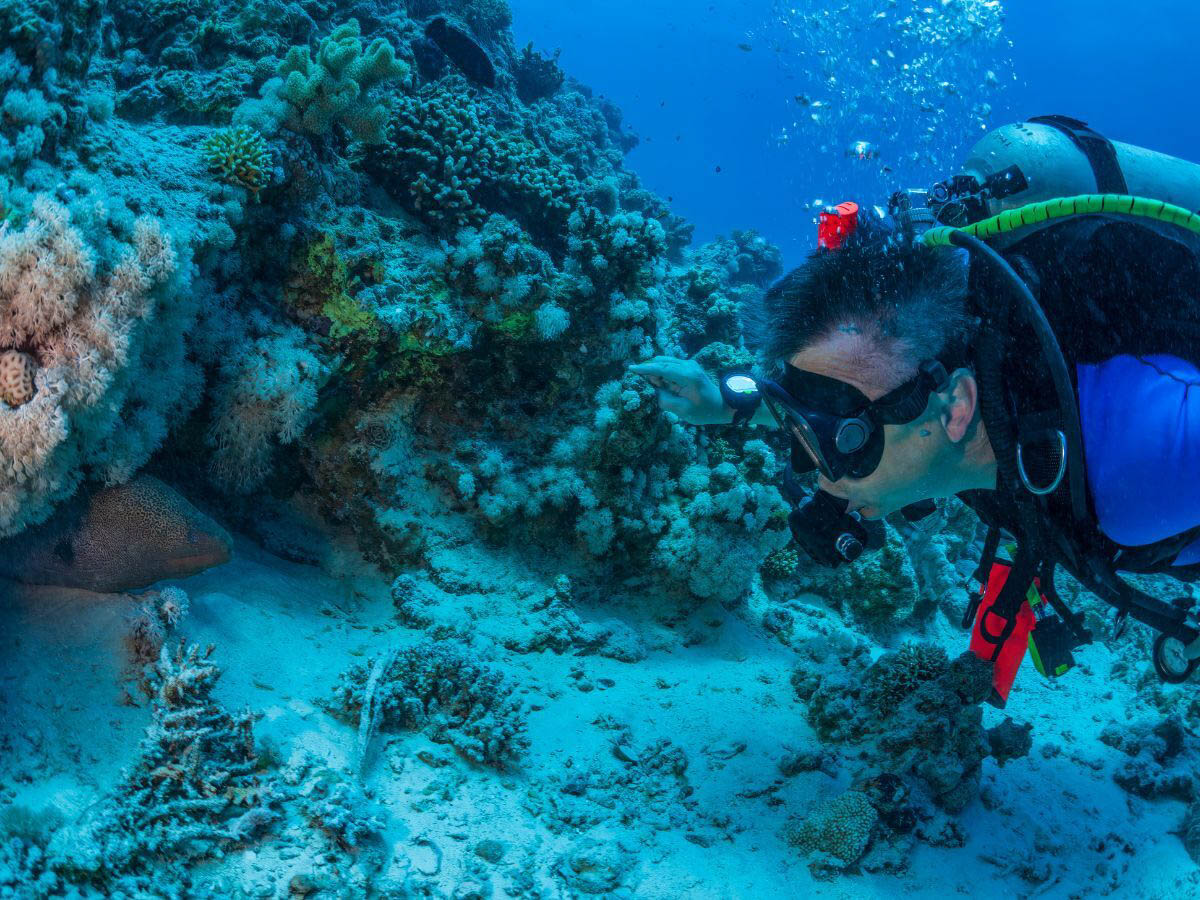
A dive site can look completely different from one day to the next, even when conditions on the surface seem nearly identical. One of the biggest reasons is seabed disturbance. When sand, silt, or other fine material gets stirred up by waves, currents, boats, or even divers, it can quickly change what you see and how the dive feels. It’s one of those factors that’s easy to miss at first, but once you notice how seabed disturbance changes a dive site, it becomes hard to ignore.
Reduces Visibility Faster Than Expected
One of the first things divers notice is how quickly visibility can drop. Fine sediment doesn’t just settle right away. It lingers, creating a hazy or milky look that limits how far you can see. A site that’s usually clear can turn murky after a strong surge, heavy boat traffic, or even a few poorly controlled fin kicks. When that happens, the dive often shifts from exploring freely to staying oriented and keeping close to your buddy.
Covers the Habitats Marine Life Depends On
When disturbed sediment settles, it doesn’t always fall neatly back into place. It can land on seagrass, coral, sponges, and other bottom habitats that support marine life. Even a thin layer can dull the color and activity of an area. Over time, repeated disturbance can leave parts of a dive site looking less vibrant, especially in spots where delicate habitats are already under pressure.
Shifts Where Marine Life Gathers
Marine life tends to follow stable conditions. When the bottom is frequently disturbed, fish and smaller species often move to calmer areas where feeding and shelter are more reliable. That can make a familiar dive site feel uneven—quiet in one section and unexpectedly active in another. If you dive the same location often, these changes become easier to recognize.
Makes Buoyancy and Movement More Difficult
Silty or unstable bottoms can make even simple movement tricky. One misplaced fin kick can stir up enough sediment to affect everyone behind you. In tighter spaces or closer to the bottom, it can quickly turn into a full silt-out. Once particles are suspended, it becomes easier for additional movement to keep them there. In these conditions, good buoyancy control isn’t just about comfort. It helps keep the site from getting worse.
Changes the Look and Feel of the Seafloor
Seabed disturbance doesn’t just affect the water column. It can change the character of the dive site itself. Areas that once looked textured and easy to read can start to appear flat, dusty, or uneven. Over time, those shifts can make a site feel less healthy or simply less interesting to explore.
Researchers often rely on bottom sediment samples to better understand how fine particles and habitat changes shape underwater conditions over time. Looking at how seabed disturbance changes a dive site from this perspective helps connect what divers see with what’s happening on the seafloor.
Seabed disturbance is easy to overlook, but it plays a bigger role in dive conditions than most people realize. Paying attention to it improves your awareness underwater and helps protect the environments that make each dive worth coming back to.
