

Close Menu
    Facebook X (Twitter) Instagram
    New
    • About Tyendinaga Cavern & Caves in Bay of Quinte, Belleville Ontario
    • Search Intensifies for Missing Diver After Baltic Sea Wreck Dive Off Latvia
    • How to Choose the Right BCD: The Complete Buyer’s Guide for Every Scuba Diver
    • How Do You Help Nervous Students Confidently Transition from a PowerPoint Diagram to the Open Water?
    • The Ultimate Guide to Christmas & New Year Scuba Diving Holidays: 15 Incredible Destinations to End the Year Underwater
    • The Ultimate Guide to Scuba Diving Insurance: What Every Diver Needs to Know
    • How Divers Are Preserving the Hidden History of Slave Shipwrecks
    • Divers Begin UK’s Largest-Ever Seagrass Restoration Project in Cornwall
    Facebook X (Twitter) Instagram Pinterest YouTube LinkedIn TikTok Threads Mastodon
    Contact Advertise Destinations
    The Scuba News
    Curacao Vacation Guide
    • Home
    • News
      • Commercial Diving News
      • Community News
      • Dive Center News
      • Dive Resort News
      • Environmental News
      • Equipment News
      • Event News
      • Photo and Video News
      • Training News
      • Travel News
    • Events
    • Scuba Features
      • Commercial Diving Features
      • Community Features
      • Dive Center Features
      • Dive Resort Features
      • Environmental Features
      • Equipment Features
      • Event Features
      • Maritime History
      • Photo and Video Features
      • Training Features
      • Travel Features
      • Video Articles
      • What Divers Say
    • Travel
      • Travel News
      • Travel Features
      • Travel Offers
    • Surface Interval
      • Books
      • Movies
      • Podcasts
      • TV
      • Webinars
    • News by Destination
    The Scuba News
    Home » How Do You Help Nervous Students Confidently Transition from a PowerPoint Diagram to the Open Water?
    Training Features

    How Do You Help Nervous Students Confidently Transition from a PowerPoint Diagram to the Open Water?

    How to Transition Nervous Diving Students from Slides to Sea
    TSN Press TeamBy TSN Press TeamJuly 13, 2026No Comments4 Mins Read
    Facebook Twitter Pinterest LinkedIn Tumblr Email
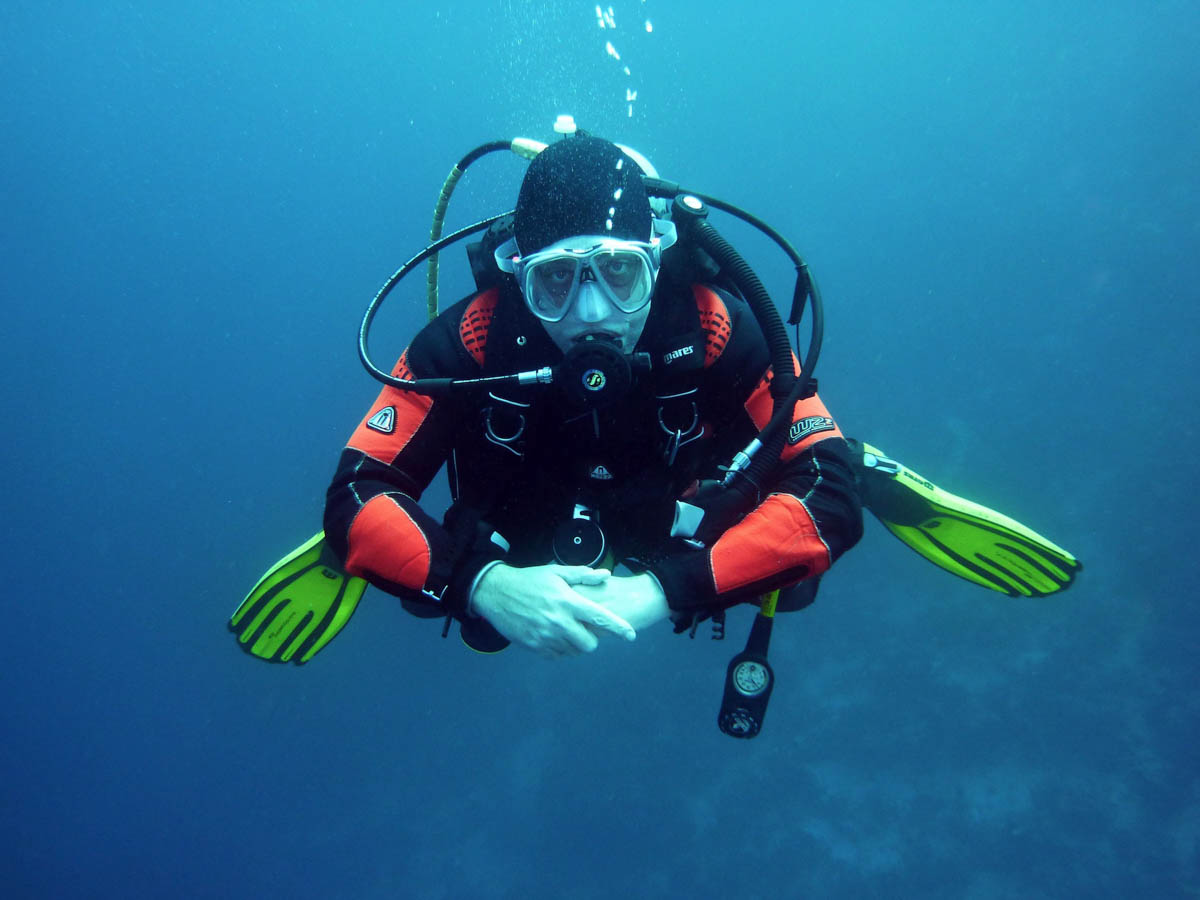
    Diver
    Photo by Pixabay: https://www.pexels.com/photo/human-in-black-orange-swimming-suit-in-blue-body-of-water-37530/

    In a clean, comfortable classroom, learning is very straightforward. An anxious student is able to easily study the layout of a hose on a monitor, explain how gas laws work, or complete a written exam. They look well-prepared because there are no abrupt shocks.

    Everything changes the moment they step on a bouncing deck or turbulent beach. The tight wetsuit, the uneven footing, frigid air, and loud waves break their attention in an instant. All that clarity of the classroom PowerPoint disappears in the swell of fear.

    Helping your students cope with this sudden wave of fear is an energy-consuming endeavor. To have more free time and mental energy, some instructors take a practical approach and simply delegate their lecture design to outside services, hiring experienced experts to do my PowerPoint presentation for me instead. This step allows them to focus all their time on hands-on safety training as well as psychological counseling. So, if you yourself are trying to assist a stressed student to get past the basics and become proficient in real-world situations, try these less conventional strategies.

    1. The “Equipment Weight” Mindset Flip

    Many instructors tell students to ignore the hefty equipment on land. This is often a mistake, as the brain interprets the tightening straps as an immediate threat, causing them to feel anxious before even touching the water.

    Instead of telling students to ignore the weight, use the trick known as Negative Space Focus. On the deck, ask the student to shut their eyes and pinpoint exactly where the gear is not touching their body.

    • The standard advice is: “Ignore the heavy tank.” (This can actually cause them to concentrate on this issue more.)
    • The change in strategy is: “Find the spots where the vest isn’t being pressed against the skin.” (This helps to calm their nervous system).

    Searching for the open spaces beneath the harness changes the brain’s focus. It stops thinking of the harness as if it’s a trap. Instead, the equipment begins to feel like a secure, protective shell, lowering their heart rate.

    2. Sensory Deprivation Warm-Ups

    Diagrams shared in PowerPoints lose their value the moment a student encounters poor underwater visibility. Shifting abruptly from a sharp, bright display screen to murky water easily triggers immediate anxiety for a beginner.

    To prevent this shock, run a quick blind drill on the shore while your student is still on dry land and breathing regular surface air.

    During this brief exercise, have the student practice the following:

    • Intentionally fog up their mask or have them close their eyes so they cannot rely on clear vision.
    • Have them assemble a piece of gear or locate their backup regulator using only their hands.
    • Force them to rely purely on touch and muscle memory while their eyesight is restricted.

    Removing their sight for just two minutes on land completely normalizes the sensation of sensory deprivation. When they finally submerge, their brain recognizes the feeling rather than fighting it, preventing the sudden disorientation that often ruins initial descents.

    3. Closed-Loop Hand Feedback

    Standard hand signals make for simple instructions. These can be telling the student to clear their mask or check their air. If you have a particularly worried student, the mere act of receiving commands can actually increase their anxiety because they feel entirely out of control.

    That’s why you should try a closed-loop feedback system during the initial few minutes under the water.

    Before you submerge and begin the practical lesson, establish a clear rule: each hand signal you use must be duplicated by the student, but with an added twist. They should tap their chest twice before repeating your signal back to you.

    This tiny physical action forces their brain to actively process and respond. They can’t just stare at you with a blank look. They must interpret your movement, touch their own chest, and signal back. This physical loop binds their focus directly to yours, replacing anxious patterns with a clear sense of partnership. Over time, the routine builds a deep, lasting confidence in their own underwater skills.

    Comments

    Share. Facebook Twitter Pinterest LinkedIn Tumblr Email
    Previous ArticleThe Ultimate Guide to Christmas & New Year Scuba Diving Holidays: 15 Incredible Destinations to End the Year Underwater
    Next Article How to Choose the Right BCD: The Complete Buyer’s Guide for Every Scuba Diver
    TSN Press Team
    • Website
    • Facebook
    • X (Twitter)
    • LinkedIn

    The Scuba News Press Team are constantly on the hunt for great news articles from the world of scuba diving!

    Related Posts

    IANTD Unveils Completely Updated Instructor Manual to Strengthen Diver Education Worldwide

    Will My Certification Be Recognised When I Travel?

    The Evolution of Modern Scuba Training Environments

    Leave a ReplyCancel reply

    Advertisement
    Scuba Mask Straps
    Advertisement
    Blue
    Advertisement
    Geneinno
    Advertisement
    DiveAssure
    Advertisement
    Scuba Fix at Kirk Scuba Gear
    Advertisement
    Kirk Scuba Gear
    Advertisement
    DiveHeart Courses
    Quick Scuba Search
    Asia Australia Canada Cayman Islands David Suzuki Diver Travel Dive Shows Dive Travel Diving Incident Egypt Environment Environmental News Galapagos Incident Indonesia Ireland Liveaboard Holidays Liveaboards Liveaboards Egypt Liveaboards Galapagos Liveaboards Indonesia Liveaboards Maldives Liveaboards Red Sea Liveaboard Travel Liveaboard Travel Deals Maldives Mexico New Zealand PADI Philippines Red Sea Scuba Diver Travel Scuba Diver Travel Deals Scuba Diving Canada Scuba Diving Egypt Scuba Diving Galapagos Scuba Diving Indonesia Scuba Diving Maldives Scuba Diving Red Sea Scuba Travel Scuba Travel Deals Sharks South Africa Travel UK
    About The Scuba News
    Developed by a small team of dedicated scuba diving media professionals, The Scuba News brings you the best and most up to date scuba diving information from around the world.

    Covering everything from the world of scuba diving including: The Environment, Dive Centers, Dive Resorts, Diving Equipment, Photos and Videos, Diver Training and news which affects the whole scuba community.

    If you have any questions about The Scuba News or you would like to contribute to our news and blog pages please do not hesitate to contact us.
    Scuba News Categories
    • Commercial Diving News
    • Community News
    • Dive Center News
    • Dive Resort News
    • Environmental News
    • Equipment News
    • Event News
    • Photo and Video News
    • Training News
    • Travel News
    Scuba Diving Features
    • Commercial Diving Features
    • Community Features
    • Dive Center Features
    • Dive Resort Features
    • Environmental Features
    • Equipment Features
    • Event Features
    • Maritime History
    • Photo and Video Features
    • Training Features
    • Travel Features
    All content copyright The Scuba News unless otherwise stated. | A DiveMedia Company. Affiliate Disclosure

    Type above and press Enter to search. Press Esc to cancel.