



Scuba training has changed dramatically over the past few decades. While open-water experience remains the foundation of diver development, today’s training programs increasingly rely on advanced facilities, digital tools, and purpose-built environments to help students gain confidence before entering natural waters. Here are five ways modern scuba training environments continue to evolve.
Purpose-Built Training Pools Are Raising the Standard
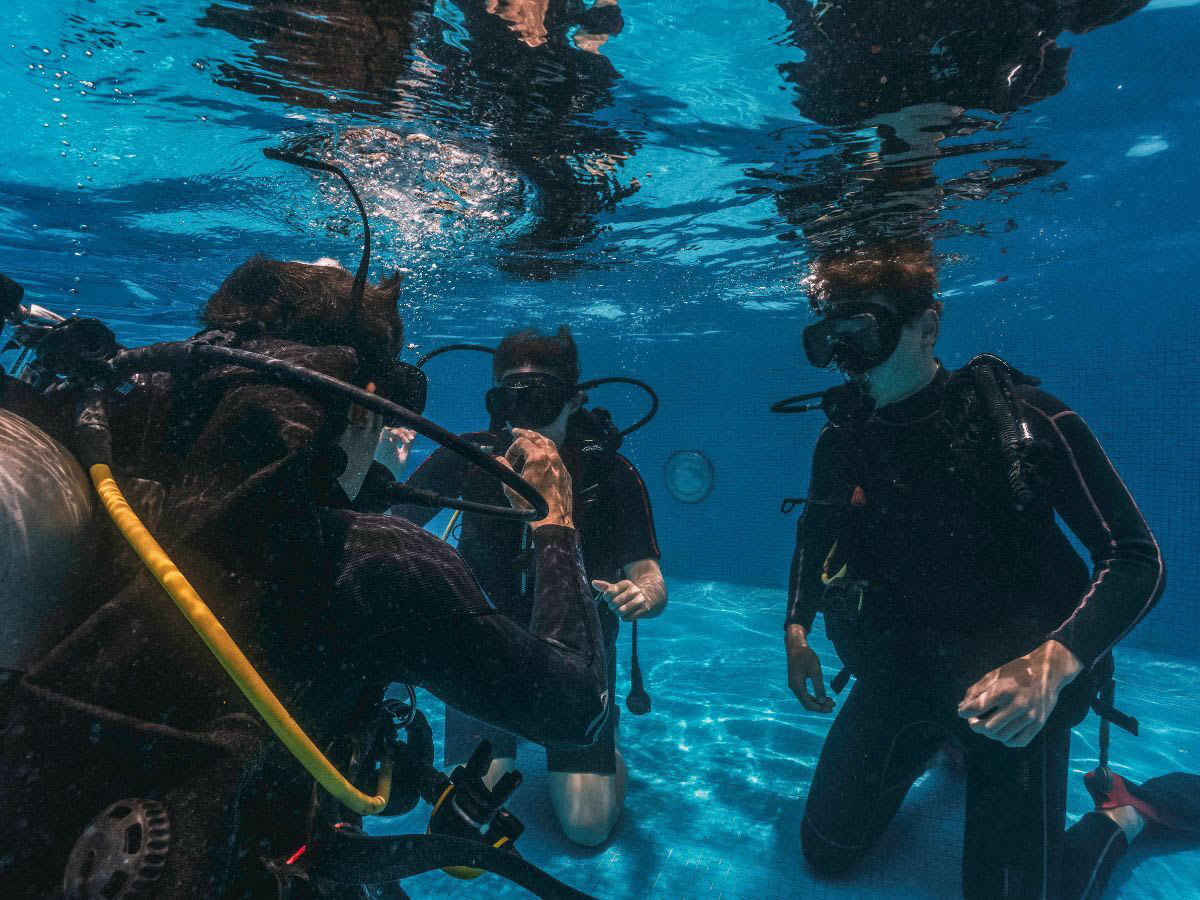
Many dive programs now begin in facilities specifically designed to support diver education. Rather than using generic recreational pools, instructors often seek environments that can accommodate skills practice, emergency drills, and controlled underwater exercises.
The growing emphasis on customized aquatic facilities reflects a broader trend toward creating training spaces tailored to specific user needs. The country’s top pool builders focus on customization because specialized features can be incorporated into aquatic environments to support different activities and learning objectives. These controlled settings help new divers focus on technique without the distractions of currents, waves, or limited visibility.
Technology Has Enhanced Skill Development
Modern dive training frequently incorporates digital learning platforms, interactive coursework, and video-assisted instruction. Students can review concepts online before arriving at practical sessions, allowing instructors to spend more time on hands-on skill development.
Underwater video analysis has also become a useful teaching tool. By reviewing footage of buoyancy control, finning techniques, or equipment setup, students receive immediate visual feedback that can accelerate their learning. As a result, scuba training environments today extend well beyond the pool or classroom.
Simulation Is Creating More Realistic Experiences
Training organizations increasingly use simulation-based exercises to prepare divers for real-world conditions. Instructors can recreate navigation challenges, low-visibility scenarios, or emergency response situations within controlled settings.
These exercises allow diving students to build problem-solving skills while maintaining a high level of safety. By practicing potential challenges before encountering them in open water, divers often develop greater confidence and situational awareness.
Safety Protocols Continue To Advance
Modern scuba training environments place significant emphasis on risk management. Equipment standards, instructor training requirements, and emergency preparedness procedures have evolved alongside the scuba diving industry.
Many facilities now integrate dedicated safety systems, structured supervision protocols, and clearly defined emergency response plans. This focus helps ensure that students can learn progressively while reducing unnecessary risks during early skill development. The result is a more consistent and supportive learning experience for divers of all backgrounds.
Training Is Becoming More Accessible Worldwide
The global growth of scuba diving has encouraged training providers to expand access through a wider range of facilities and learning formats. Urban dive centers, indoor training complexes, and specialized aquatic venues now allow students to begin their certification journey far from traditional coastal destinations. Combined with online learning and improved facility design, these developments make it easier than ever for prospective divers to enter the sport.
As the industry continues to evolve, modern scuba training environments will likely become even more immersive, adaptable, and effective. While the ocean remains the ultimate classroom, modern training facilities are helping divers arrive better prepared for the underwater world they are eager to explore.
Comments