


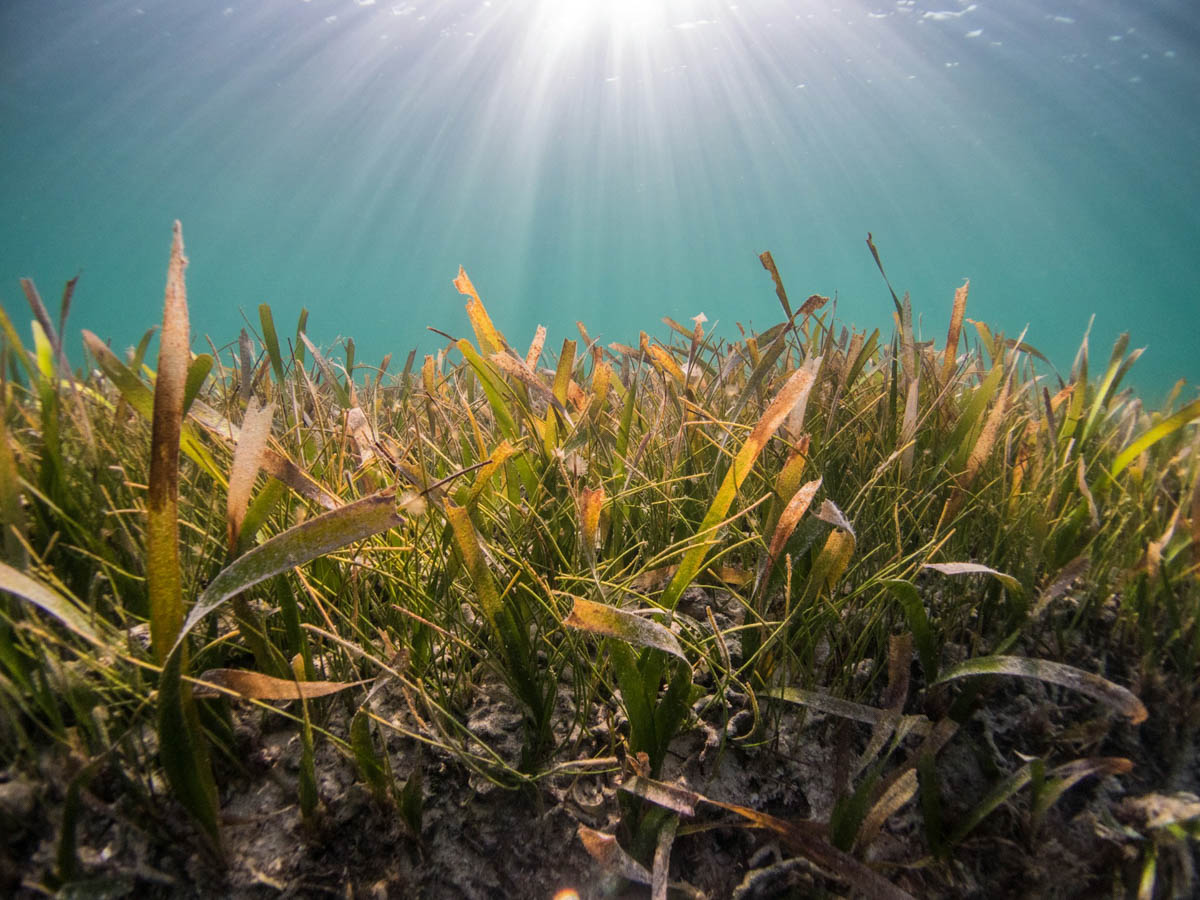
The UK’s largest seagrass restoration project is now underway in Cornwall, where teams of scientific divers are planting thousands of seagrass seedlings in an ambitious effort to restore vital marine habitats and improve the resilience of the country’s coastal ecosystems.
The three-year Mor Nature programme will restore 10 hectares of seagrass meadow in Falmouth Bay, while simultaneously rebuilding native oyster populations across the Fal and Helford Special Areas of Conservation. The £1.8 million initiative is being led by the Ocean Conservation Trust (OCT) and Cornwall Wildlife Trust (CWT), alongside a broad partnership of conservation organisations, scientists and local stakeholders.
Divers at the heart of the restoration
While much attention focuses on the ecological benefits, specialist scuba divers are playing a critical role in bringing the project to life.
Restoring seagrass is a painstaking process that begins months before divers enter the water. Over the past winter, conservation teams cultivated more than 21,000 seagrass seedlings at the Ocean Conservation Trust’s National Seagrass Nursery. Those seedlings are now being transplanted onto carefully selected sites in Falmouth Bay using specialist underwater planting techniques developed through years of research.
Working underwater presents significant challenges, including changing tides, poor visibility and weather windows that can rapidly close. Every planting operation requires careful coordination between scientific teams, dive crews and vessel operators to maximise the survival of the young plants.
Why seagrass matters
Although often overlooked, seagrass meadows are among the ocean’s most valuable habitats.
They provide nursery grounds for juvenile fish, improve water quality by trapping sediments, help protect coastlines from erosion and store significant amounts of “blue carbon” that would otherwise contribute to atmospheric greenhouse gases. Healthy meadows also support a wide range of marine life, including seahorses, spider crabs, cuttlefish, bass and numerous invertebrate species.
According to conservation organisations involved in the project, a single hectare of healthy seagrass can support tens of thousands of fish and millions of small marine organisms, making these habitats critical for biodiversity as well as local fisheries.
Restoring an entire ecosystem
Mor Nature goes beyond simply planting seagrass.
The programme also aims to restore native oyster populations throughout the Fal and Helford Special Areas of Conservation. Oyster reefs naturally filter seawater, create habitat for countless marine species and improve overall ecosystem health.
By restoring both habitats together, project partners hope to recreate the ecological relationships that historically existed along the Cornish coastline before decades of habitat loss, pollution and overexploitation reduced both seagrass meadows and native oyster beds.
Building on years of protection
The restoration site stretches between Swanpool Beach and Pendennis Castle in Falmouth Bay, where conservation efforts have already been underway for several years.
In 2022, the Ocean Conservation Trust introduced Sensitive Habitat Marker Buoys and voluntary no-anchor zones to reduce damage to existing seagrass beds. Cornwall Wildlife Trust has also been mapping and monitoring local meadows while working with community volunteers, fishers and citizen scientists to improve understanding of the region’s marine habitats.
The new programme will expand those efforts while establishing new oyster nurseries in the Helford estuary with support from local communities.
Supporting national conservation goals
The project contributes to the UK Government’s target of increasing seagrass coverage by 15% by 2043 and forms part of wider efforts to restore England’s marine environment.
Alongside the Ocean Conservation Trust and Cornwall Wildlife Trust, partners include Falmouth Harbour, Cornwall Council, the Zoological Society of London, the University of Exeter, the Duchy of Cornwall and the Falmouth Marine Conservation Group. The programme is supported by funding from Defra’s Species Recovery Programme together with additional funding partners.
If successful, Mor Nature could provide a blueprint for large-scale marine restoration projects elsewhere in the UK, demonstrating how science, conservation organisations, divers and coastal communities can work together to rebuild damaged underwater ecosystems.
