



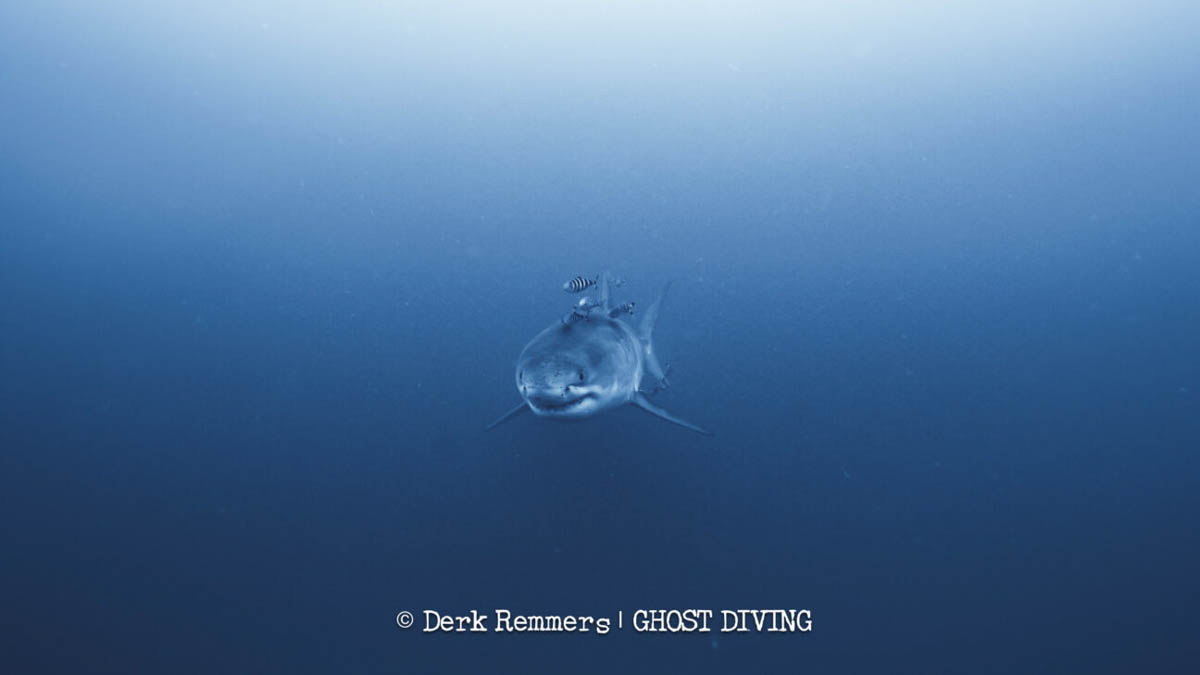

A routine ghost-net removal mission in the Mediterranean Sea turned into an extraordinary wildlife encounter when divers captured what is believed to be the first underwater footage of an adult great white shark in the region.

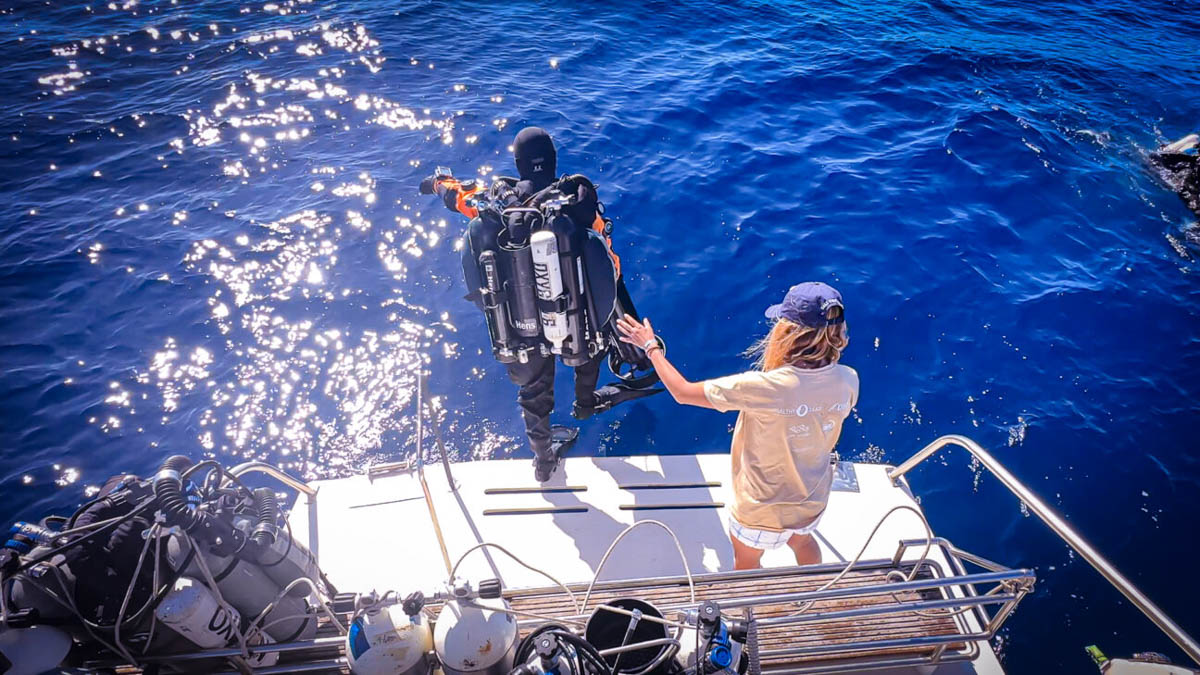
The remarkable sighting took place in the Strait of Sicily during a conservation operation led by Healthy Seas, Ghost Diving, and the Society for Documentation of Submerged Sites (SDSS). The team had entered the water with a mission familiar to many divers around the world: removing abandoned fishing gear that continues to trap and kill marine life long after it has been discarded.

Instead, they found themselves face to face with one of the ocean’s most elusive predators.

The footage was captured by Dutch diver Derk Remmers, who was participating in the expedition when the shark appeared unexpectedly. While great white sharks have long been known to inhabit parts of the Mediterranean, encounters with live adult specimens are exceptionally rare. Most scientific records in recent decades have come from accidental catches, strandings, or surface observations.
That is what makes this footage so significant.
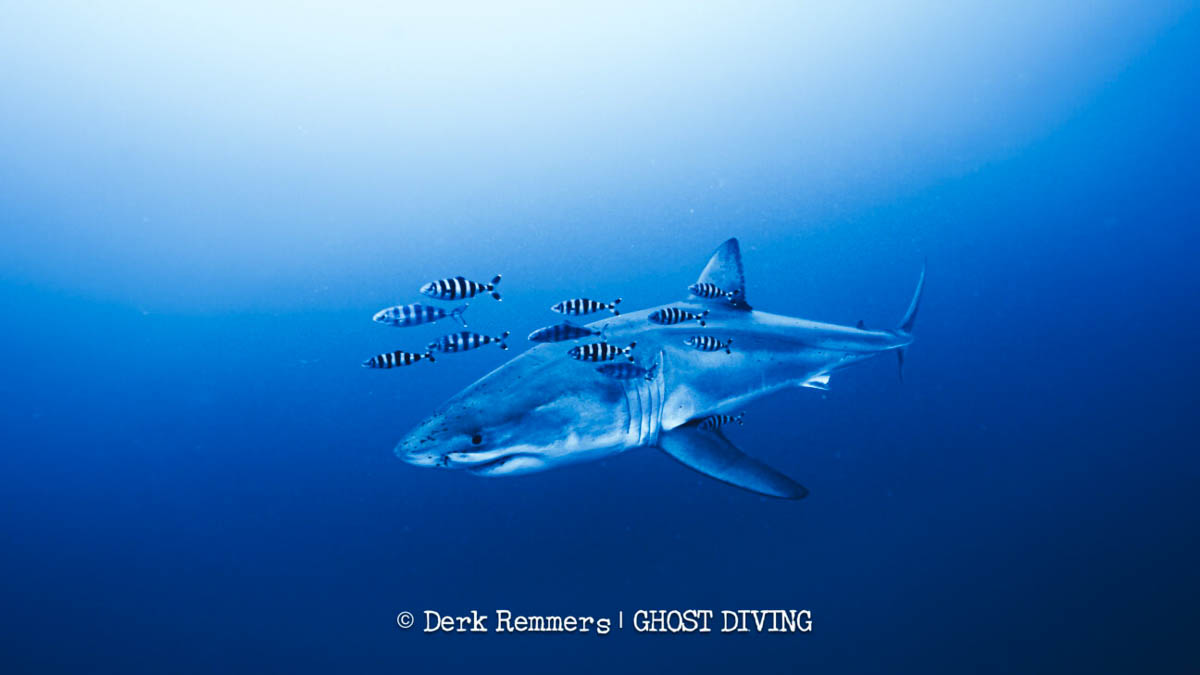
Marine researchers and conservation groups involved in the project believe it may represent the first underwater video recording of an adult great white shark in its natural Mediterranean habitat. Although scientists are careful not to make definitive claims without exhaustive review of historical records, the footage is already being described as one of the most important visual records of Mediterranean great whites ever captured.
For divers, the sighting is a reminder that the Mediterranean remains one of the world’s most fascinating and underappreciated marine ecosystems. Despite centuries of fishing activity, dense coastal development, and increasing environmental pressures, the region still supports an astonishing range of marine life, including species that many people associate more readily with distant oceanic destinations.
The encounter also highlights the importance of conservation work such as ghost-net removal operations.
Abandoned fishing nets are among the most damaging forms of marine debris. Often referred to as “ghost nets,” these lost or discarded fishing gears continue catching fish, sharks, turtles, marine mammals, and seabirds for years after entering the environment. Divers involved in removal projects regularly witness the devastating impact such equipment can have on marine ecosystems.
The fact that this potentially historic shark encounter occurred during a mission to remove one of the ocean’s most persistent threats adds an additional layer of significance to the story.
Great white sharks in the Mediterranean are considered critically endangered, with scientists warning that populations have declined dramatically over recent decades. The species faces a range of pressures including overfishing, accidental capture, habitat degradation, and declining prey populations.
For conservationists, footage like this provides more than a memorable diving story. It serves as a powerful reminder that these apex predators still survive in Mediterranean waters and that efforts to protect marine ecosystems can benefit species throughout the food chain.
As interest in the footage continues to grow around the world, the organisations involved hope the attention will also shine a spotlight on the ongoing challenge posed by ghost fishing gear and the volunteers who work to remove it from the sea.
For divers, it is a rare glimpse into a world few people ever get to see. For scientists, it may offer valuable insight into one of the Mediterranean’s most mysterious predators. For conservationists, it is proof that protecting marine habitats remains as important as ever.
Sometimes, while cleaning up the ocean, the ocean reveals something extraordinary.
Comments