


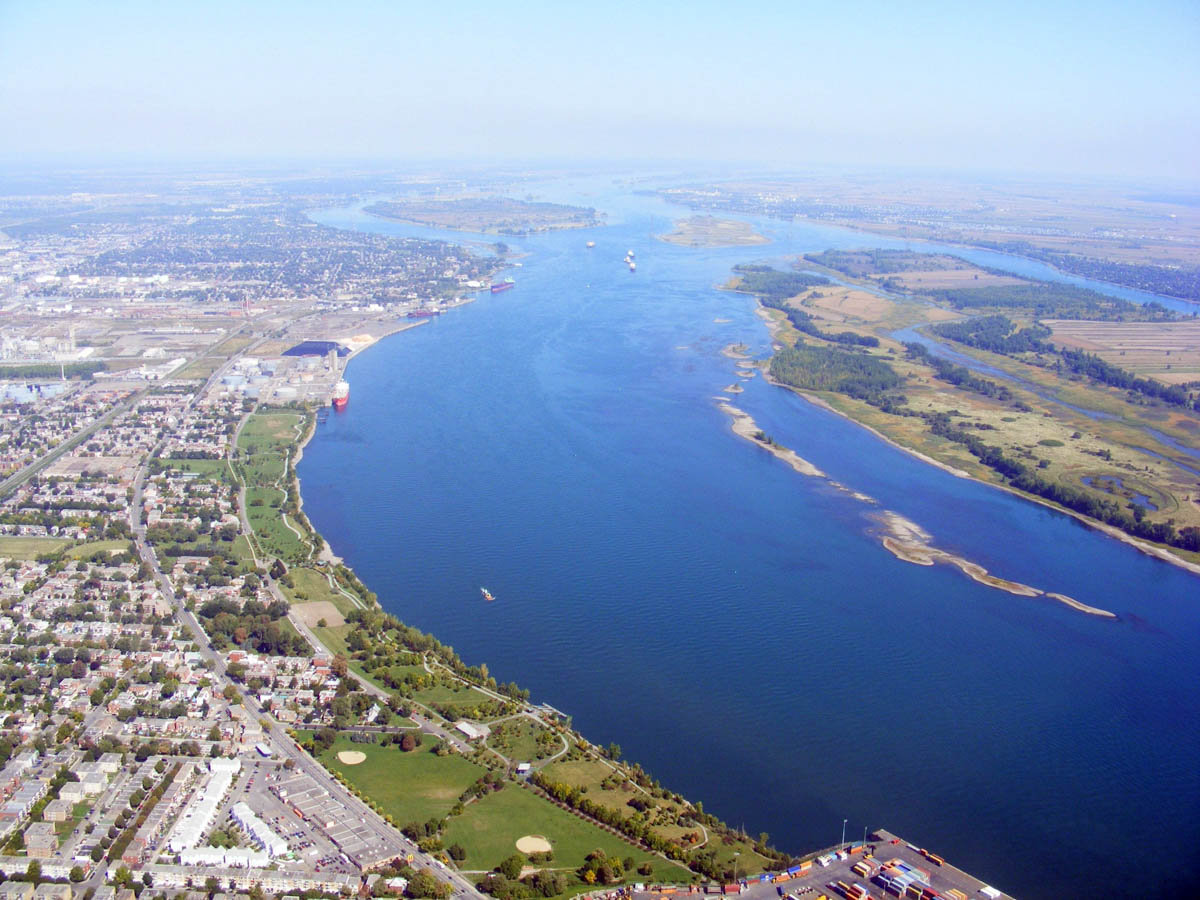


The surface of the St. Lawrence River between Kingston and Montreal may look unassuming, but beneath the waves lies a hidden graveyard of maritime history. Because this stretch has served as a vital shipping artery for centuries, the riverbed is dotted with a vast collection of historic shipwrecks.
For scuba divers, these sites offer a unique window into the past, with many vessels having rested on the bottom for well over a century. These well-preserved wrecks transform an ordinary waterway into one of the most compelling freshwater diving destinations in the world.
While those century-old shipwrecks are certainly a draw, diving the St. Lawrence River comes with its own unique set of environmental factors. Chief among these is water temperature.

Typically, diving in temperate climates implies bracing for frigid conditions. However, the St. Lawrence defies the standard “deep freeze” during the summer months. Because of the river’s constant movement, the water column stays well-mixed; the sun-warmed surface water is pulled down into the depths, effectively eliminating the thermocline (that sudden, shivering layer of icy water common in lakes). This results in surprisingly consistent and comfortable temperatures throughout the dive.
Navigating the Current
Because the St. Lawrence is a moving body of water rather than a stagnant lake, current is a major factor for every diver to consider. At certain wreck sites, the force of the moving water is so intense that manual swimming becomes futile. To manage this, many popular spots feature permanent guide ropes, allowing divers to physically pull themselves along toward the wreck.
Pro-Tips for River Safety:
- Deploy a SMB: Always carry a surface marker buoy (often called a “safety sausage”). If you lose your grip or get swept off-site, this is your primary tool for alerting boat traffic and your dive team to your location.
- Streamline Your Gear: Strong currents can catch loose hoses or bulky accessories, increasing drag and making your swim much harder.
- Plan for Drift: In areas with high flow, many divers opt for “drift dives,” where you simply go with the flow and have a boat track your bubbles to pick you up downstream.
It’s great news that the moorings were officially set for the Kinghorn and the Ash Island Barge a couple of weeks ago.
The Ash Island Barge
The Ash Island Barge earned its name from its final resting place along the perimeter of Ash Island within the Thousand Islands region. This vessel is a “belly dumper” barge, a unique design used for transporting and depositing heavy loads. Local history suggests the barge didn’t meet an accidental end; rather, it was likely scuttled (intentionally sunk) once its operational life concluded.
Evidence of its purpose remains today, as three of its holds are still packed with their original cargo of rock.
Dive Profile & Technical Details
This site is a step up in complexity and is frequently utilized for deep diver certification or technical training.
- Depth Ranges: The wreck begins at approximately 25 meters (82 feet) and slopes down to 35+ meters (115+ feet).
- Extended Depths: For those interested in deeper exploration, the riverbed continues to drop significantly beyond the wreck itself.
- Gas Management: While the wreck is accessible on air, divers should be mindful of their Nitrogen levels and No-Decompression Limits (NDL) at these depths.
CAUTION
Because of the depth and the potential for strong river currents, this dive site is best suited for experienced divers or those under the supervision of a technical instructor.
It’s a hauntingly beautiful site that offers a “heavy duty” look at the river’s industrial past.
Comments