


A devastating boating accident on Lake Erie has claimed the lives of a Norfolk County father and his young son. On May 11, 2026, 53-year-old Shayne and his 7-year-old son, Waylon, were reported overdue after setting out in a canoe near St. Williams, Ontario. Tragically, their vessel capsized in the waters near Townline Street, close to Long Point. A passing boater later spotted the victims approximately two nautical miles from the shoreline, prompting the Canadian Coast Guard to recover them from the water.
While both the father and son were wearing life jackets when they were found, authorities believe the frigid lake water—which was hovering between 7 and 10°C—was a significant factor in the tragedy. The Ontario Provincial Police (OPP) have launched an investigation into the exact circumstances surrounding the incident, and emergency responders continue to search the area for the missing canoe.
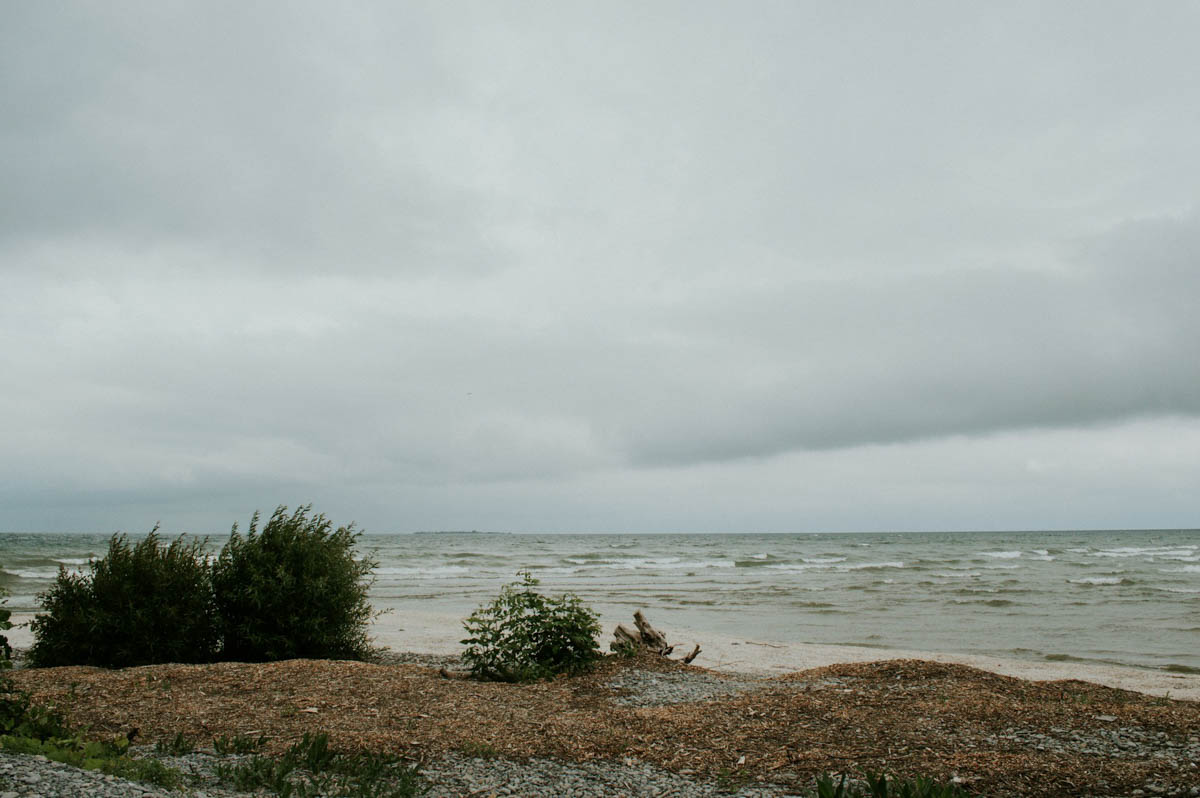
Geography: The “Tail End” of the Upper Lakes
Lake Erie is the fourth largest of the Great Lakes by surface area, but the smallest by volume.
- The Flow: Water flows into Erie from Lake Huron via the Detroit River and Lake St. Clair. It then exits via the Niagara River, plunging over Niagara Falls into Lake Ontario.
- Three Distinct Basins: * Western Basin: Very shallow (average depth of just 7.4 meters/24 feet), filled with islands like Pelee Island.
- Central Basin: Fairly flat and averages about 18 meters (60 feet) deep.
- Eastern Basin: The deepest part of the lake (reaching 64 meters/210 feet), which sits right off the shores of Long Point and St. Williams.
Safety Conditions: Why Erie is Unique (and Dangerous)
Lake Erie is widely considered the most dangerous of the Great Lakes for small watercraft because of how its geography interacts with the weather.
- The “Seiche” Effect: Because the lake is aligned almost perfectly from southwest to northeast, strong winds can literally push water from one end of the lake to the other. This creates a “seiche” (pronounced saysh)—a sudden, drastic rise in water levels on one shore (up to several feet) and a drop on the other, accompanied by incredibly strong, unpredictable currents.
- Short-Period Waves: In deep oceans, waves have long gaps between them. In shallow Lake Erie, waves are compressed. They become steep, vertical walls of water that hit rapidly one after the other, making it incredibly easy to swamp a canoe or small fishing boat.
- The Hypothermia Factor: Even in late spring or early summer when the air feels warm, the deep eastern basin retains winter cold for a long time. Water temperatures below 15°C (60°F) can cause “cold shock” within minutes, severely limiting a person’s ability to swim or breathe, even if they are wearing a life jacket.
Wear your life jacket: Always keep it on; it only works if you’re wearing it.
Check the weather: Monitor conditions closely, as storms can roll in fast.
Share your float plan: Tell someone on land your exact route and expected return time.
Never underestimate Lake Erie: Its shallow depth means violent, steep waves can kick up out of nowhere.
Inspect your safety gear: Verify that flares are unexpired, extinguishers are charged, and the VHF radio works.
Beware of cold water: Remember that early-season water temperatures can cause immediate cold water shock, even on warm days.