



The Legacy of the Pilot House Museum
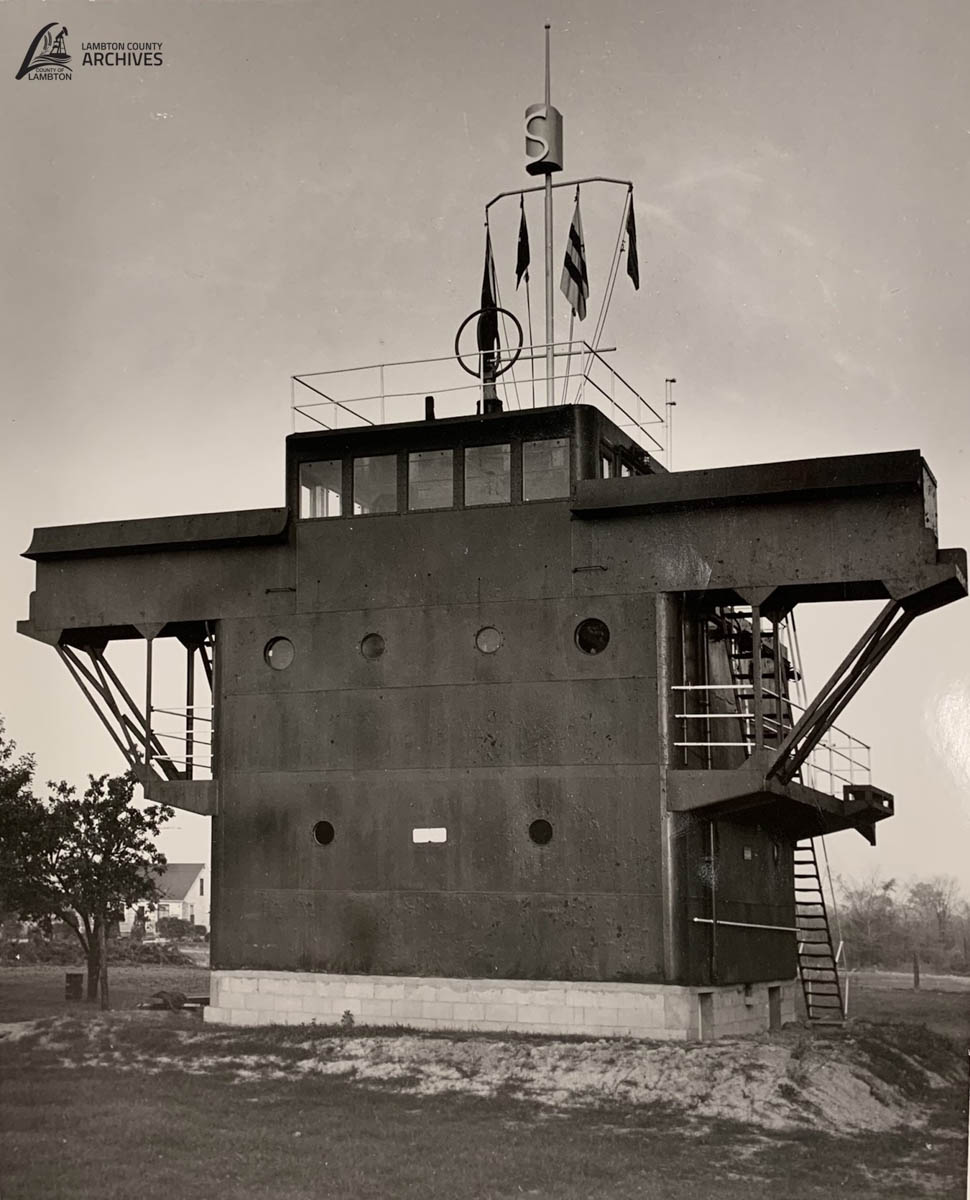
Perched in Froomfield, just south of Sarnia, the Pilot House Museum served for decades as a unique monument to the golden age of Great Lakes shipping. Its centerpiece was the authentic command center of the Sarnolite, a vessel with a storied history of service.
A Vessel of Two World Wars
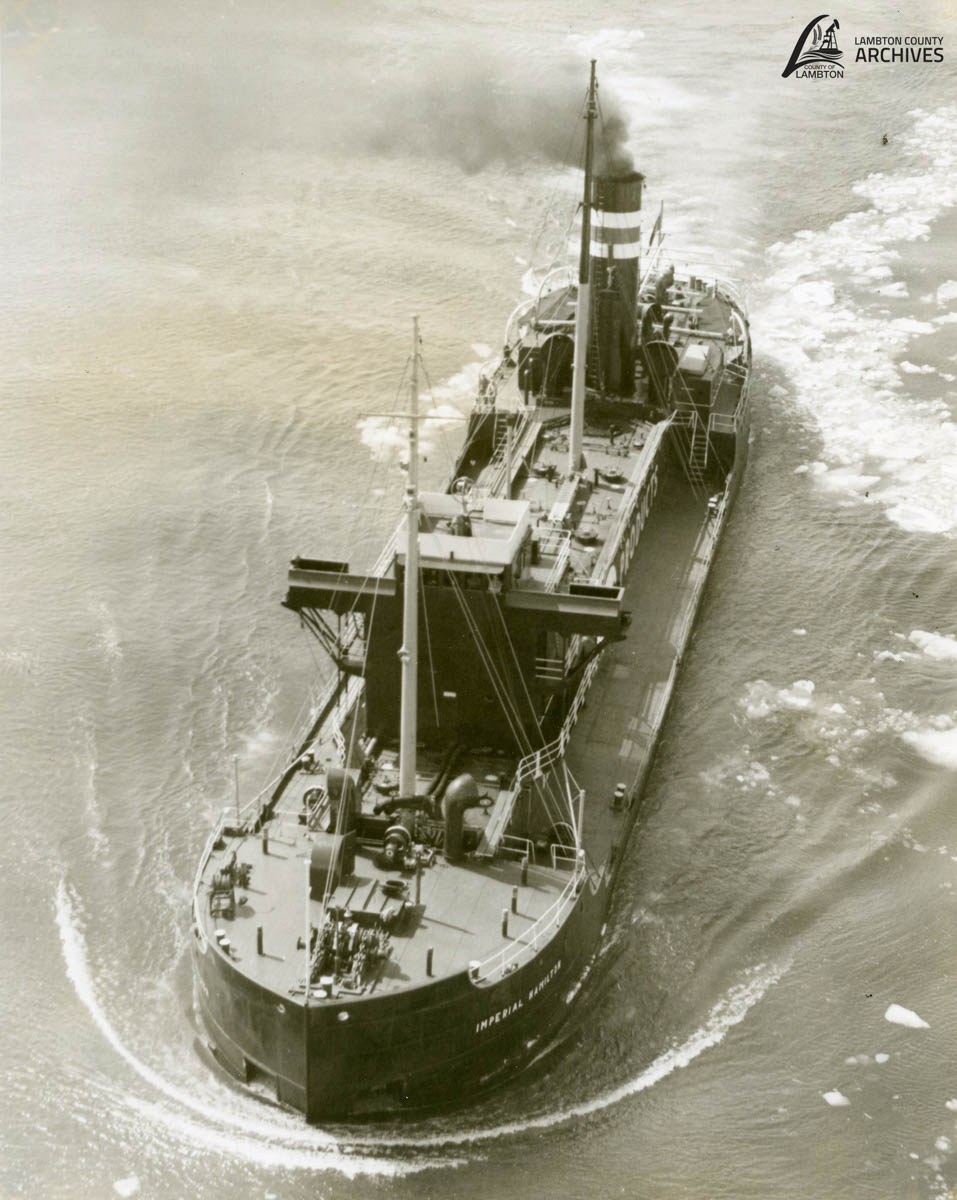
Originally launched in 1916, the Sarnolite—later rechristened the SS Imperial Hamilton—was a workhorse of the Atlantic. During both World Wars, the ship played a critical role in the Allied effort, operating as a convoy vessel to transport fuel and petroleum products across the dangerous waters to Europe. After nearly half a century of service, the ship was finally decommissioned in 1961.
From Water to Land: Mac McRae’s Vision
In 1963, Malcolm “Mac” McRae, a veteran mariner who had spent his career working aboard the Imperial Hamilton, purchased the ship’s pilot house. He had it transported to Froomfield, where it was transformed into a land-locked museum and archival center.
McRae’s personal connection to the vessel allowed him to curate a deeply authentic experience for visitors. The museum’s collection was a treasure trove of maritime history, featuring:
- Navigation Equipment: The highlight was the captain’s quarters, which housed a massive five-foot-diameter steering wheel.
- Salvaged History: Displays included artifacts recovered from various shipwrecks and detailed scale models of historic vessels.
- Local Artistry: The entrance was graced by the work of local artist Stan Norris, whose paintings captured the constant parade of ships navigating the St. Clair River.
The End of an Era
While the museum eventually closed its doors following the passing of its dedicated founder, it remains a legendary chapter in Lambton County’s heritage. The “Maritime House” was more than just a collection of trinkets; it was a physical piece of a world-traveling tanker preserved by the man who knew her best.
Comments