


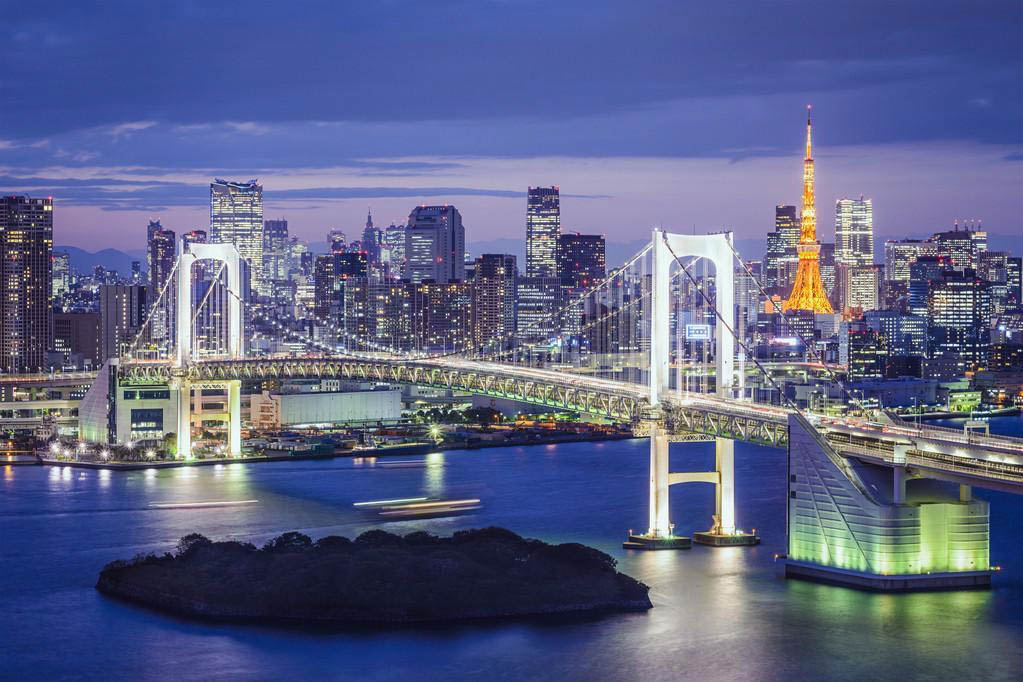
Japan impresses with its organization of space, but a metropolis can easily confuse a traveler. Tokyo lives by its own strictly established rules. Knowing the small nuances in advance ensures your trip passes without unnecessary stress and chaos.
Luggage Subtleties and Freedom of Movement
The biggest mistake tourists make is dragging huge suitcases through narrow streets or the subway. Stations have hundreds of steps, and automatic coin lockers in popular areas like Shinjuku are often fully occupied early in the morning. To avoid spending hours searching for a free locker, it is convenient to use a store luggage in Tokyo through the Radical Storage service. This allows you to calmly leave your bags in verified locations near transit hubs and set off for a walk without extra baggage.
It is also worth keeping railway rules in mind. Shinkansen high-speed trains enforce a strict restriction: if the total dimensions of a suitcase exceed 160 centimeters, you must reserve a special seat in the last row of the carriage. For non-compliance, you will have to pay a fine of one thousand yen right on the spot.
Transit Hacks and Virtual Cards
Paper tickets in Tokyo have long become an archaism. The subway system is split among several different operators, so buying a separate ticket for each transfer is a real headache. Previously, tourists bought plastic Suica or Pasmo cards, but due to microchip shortages, getting them at the ticket counter is now difficult.
The best option for smartphone owners is a virtual card. It takes just a few minutes to add it to your digital wallet before departure. This card pays not only for train and bus fares, but also for water at street vending machines or purchases at store checkouts.
Here is what to consider during your daily trips around the city:
- Trains stop running around 1 AM, there is no 24-hour subway. If you miss the last train, you can wait until 5 AM for service to resume. This often catches travelers unprepared.
- Taxis are super expensive. Surcharges start after midnight; even a brief trip across town can cost as much as a night in a hotel.
- The Yamanote loop line operated by JR is the simplest landmark, running through all key districts. It connects major hubs like Shibuya, Shinjuku, Tokyo Station, and Akihabara in a continuous circle, therefore, it’s almost impossible to get permanently lost.
- Transfer stations usually have many exits, so orient yourself strictly by alphanumeric signs.
If you plan to travel between cities, be sure to calculate whether buying a JR Pass makes sense. Following significant price increases, it does not always pay off, and buying point-to-point tickets is often more cost-effective.
Etiquette Rules in Public Places
Japanese society rests on mutual respect and a desire to avoid inconvenience for others. Silence always reigns in train carriages. Speaking on the phone is considered a sign of extreme disrespect. Backpacks during crowded rides are removed and held in front of you to avoid bumping into other passengers.
Eating on the go is also discouraged. After buying a snack at a store, people usually eat it right next to the establishment. There are almost no trash cans on the streets – a security measure remaining from the nineties. Locals carry small trash with them in a bag or throw it away in special bottle bins near vending machines.
Cash or Card: The Payment Reality
Despite its reputation as a tech capital, Tokyo still holds onto paper money. Major shopping centers and chain hotels accept international bank cards. However, small family-run ramen shops, traditional souvenir stalls, and street markets often operate exclusively on cash.
Always keep a few thousand yen in small bills and coins with you. Withdrawing cash from an international card with minimal fees is possible around the clock at ATMs inside 7-Eleven or FamilyMart stores. Special luggage spots from Radical Storage also save you from looking for 100-yen coins, as is usually necessary with outdated train station lockers.
Mobile Connection and Navigation
Without internet in the city, you will be completely lost. Navigating underground passages requires a stable connection. The optimal choice is a virtual eSIM activated in advance.
Navigation apps do not just show the route; they display the specific car number closest to your exit and the train arrival time down to the second. Station names are everywhere duplicated in English, and each line has its own color and letter code.
Dining Out and Popular Spots
Food in the capital is a distinct culture. Popular eateries with high ratings attract lines long before opening. Seeing a queue outside is almost always a guarantee of a quality meal.
Simple tips to simplify your restaurant visits:
- Ordering at budget spots is often done through a special terminal at the entrance.
- Leaving tips is not allowed – it can even offend the staff, as quality service is already included in the price.
- Water or hot tea in most establishments is served completely free of charge.
- After finishing breakfast at a café, tray returns are usually taken to a designated stand near the counter.
Culinary discoveries await around every corner, from the basement floors of department stores with fantastic selections of prepared foods to tiny bars seating a few people in the alleys of Omoide Yokocho.
Time Planning and Seasonality
Tokyo is vast, so trying to cover all districts in a single day is a futile task. It makes sense to split walks geographically: dedicate one day to the western area (Shibuya, Harajuku, Shinjuku) and another to the eastern area (Asakusa, Ueno, Akihabara).
Keep the season in mind as well. Spring with cherry blossoms and autumn with red maples are the most beautiful, yet most crowded seasons. Summers in the city get exhaustively hot and humid, so plan more stops inside air-conditioned spaces or museum complexes.
Preparing for a trip requires attention to detail, but that precision makes traveling in Japan exceptionally comfortable. Setting up mobile services, taking care of bags via Radical Storage, and adopting local rules lets the city open up from its best side.