

Transitioning from scuba diving to freediving-based activity requires adapting your underwater skills, understanding new gear, and respecting local regulations. This guide explores the crucial differences between scuba and freediving for the sport, outlines essential beginner kit choices, and highlights the role of sustainable practices. By focusing on preparation and ethics, divers can start their journey with confidence.
For scuba divers interested in the sport, moving into freediving marks a significant change in how you approach the underwater world. Freediving-based practice relies entirely on your ability to hold your breath, so developing breath-hold techniques and a calm diving mindset is fundamental. As you build your routine, a spearfishing guide can help you connect these new skills to practical decisions in the water. The transition also involves learning new gear and understanding local rules to protect both yourself and marine ecosystems. This guide will walk you through skillset adaptations, recommended beginner equipment, and essential regulations to help you begin this activity safely and ethically.
Breath-hold skills and adapting your diving approach
Unlike scuba, freediving for the sport is all about calm, controlled breath-hold dives and focused awareness. You dive on a single breath, which means comfort underwater, breath management, and a steady mindset are crucial. Building up to longer breath-holds involves practicing slow, even breathing while on the surface and avoiding the temptation to hyperventilate, which can pose safety risks. It is best to always dive with a buddy who understands freediving safety, as teamwork is essential during ascents and descents.
Freedivers must also master natural methods for equalizing pressure in their ears and sinuses, using techniques like the Valsalva or Frenzel maneuvers. While scuba gear can manage buoyancy automatically, freediving requires you to maintain balance and relaxed body posture on your own. Planning shorter bottom times, listening to your body’s needs, and practicing efficient “duck dive” entries all help facilitate a smooth adaptation from scuba to this activity on breath-hold.
Choosing the right kit for beginner spearfishers
As you make the transition, selecting appropriate gear will help you stay safe and comfortable in the water. Newcomers often start with either a pole spear or a speargun. Pole spears are simple and reliable, best suited for shallow, rocky areas where low targets make short-range precision important. Spearguns offer greater range and strength, perfect for open water but requiring you to learn proper loading and handling techniques for safety.
A low-volume mask is recommended for freediving because it is easier to clear and creates less pressure on your face. Long-blade fins help you swim farther and more efficiently, conserving energy on each dive. Wetsuits are essential for warmth and protection: many beginners choose camo-print wetsuits (especially two-piece options for colder waters) for better insulation and to help blend into the surroundings. Beginners comparing budgets and ownership choices may also find a practical gear guide useful before committing to specialized freediving equipment. For example, a diver starting on temperate reefs could opt for a 5mm camo wetsuit to stay warm and avoid startling local fish populations.
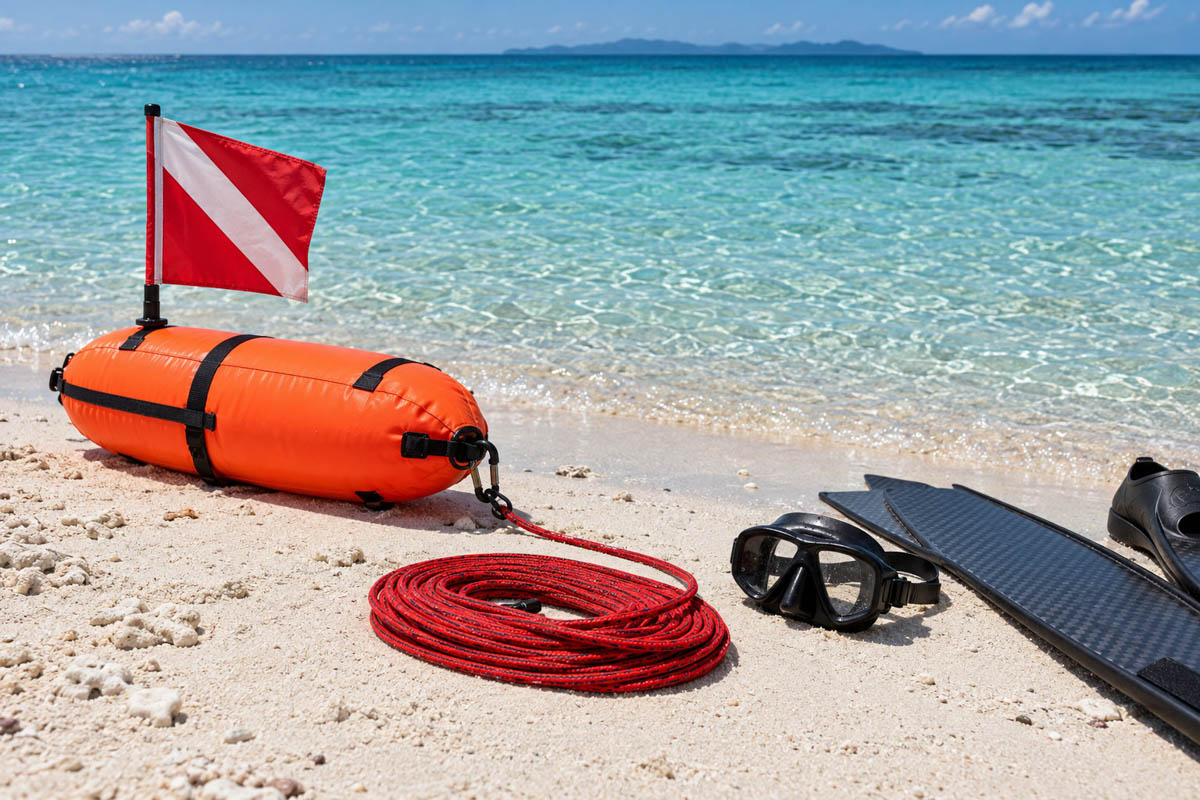
One key safety item is a float line—the line that connects your spear or speargun to a surface float. This setup not only helps you recover gear but also increases visibility for passing boats. A typical beginner arrangement includes a 10 to 15 meter float line attached to a brightly colored float. Adding a small flag or marker boosts the safety factor. For more in-depth equipment comparisons and guidance, many divers turn to a reliable spearfishing guide, which can help you match your kit to local conditions and personal goals.
Understanding regulations and practicing sustainability
Before you enter the water, it is vital to check local regulations related to the sport. Each region may require fishing licenses, size and bag limits on different species, restrict certain types of gear, or protect certain fish entirely. If you are unsure how rules apply to your target area, consult a spearfishing guide to cross-check licensing requirements and seasonal closures. Create a checklist that covers basic legal requirements, such as having a current license, knowing the limits for your target species, and identifying no-take zones or marine reserves. Checking the official lists of protected or endangered species with your local fisheries authority can help you avoid costly mistakes.
Sustainability should guide every trip. Practice restraint when selecting fish: focus on mature individuals from abundant species, and avoid those at risk or in spawning groups. For example, if local snapper populations are low during spawning season, it is best to choose alternative, plentiful species instead. Responsible harvest ensures the health of local ecosystems and supports long-term enjoyment of the activity for future divers and generations.
Responsible participation as a scuba diver transitioning to freediving demands a willingness to learn, adapt your skills, use suitable gear, and prioritize ethical choices on every dive. Staying informed about changing regulations and always putting conservation first helps protect the underwater environments you enjoy exploring.