



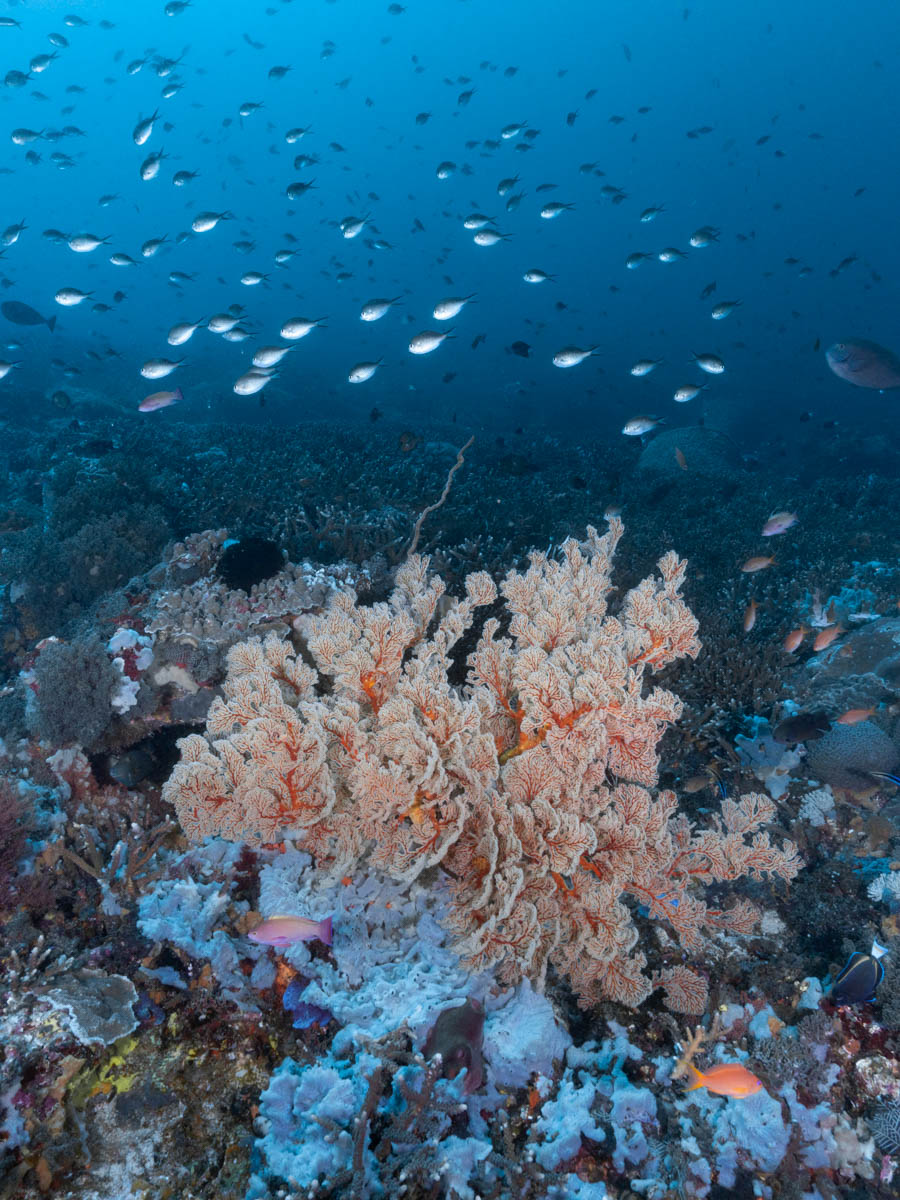
Research from the University of Sydney is highlighting how traditional reef management, local knowledge and community involvement can help marine ecosystems thrive despite growing environmental pressures.
Across the world’s oceans, coral reefs face mounting threats from rising sea temperatures, overfishing and habitat degradation. Yet some reef communities continue to support surprisingly abundant marine life, even where conditions might suggest otherwise.
In Papua New Guinea, researchers have identified an important example of this resilience. For generations, coastal communities have maintained traditional practices that periodically close sections of their reefs to fishing, allowing marine populations opportunities to recover before harvesting resumes.
Now, a new study from the University of Sydney suggests these locally managed reefs hold lessons that extend well beyond the Pacific.
Published in Nature Ecology & Evolution, the research examines why certain ecosystems outperform expectations and what their success can teach conservationists elsewhere.
The Coral Reefs Defying Expectations
Professor Joshua Cinner, Director of the University of Sydney’s Thriving Oceans Research Hub, has spent more than 25 years working alongside coastal communities in Papua New Guinea.
His earlier research examined nearly 1,700 coral reefs worldwide, identifying a small number of locations where reef fish populations were substantially more abundant than expected given the pressures affecting them.
Among these conservation success stories were reefs managed by Papua New Guinean communities using customary fishing restrictions.
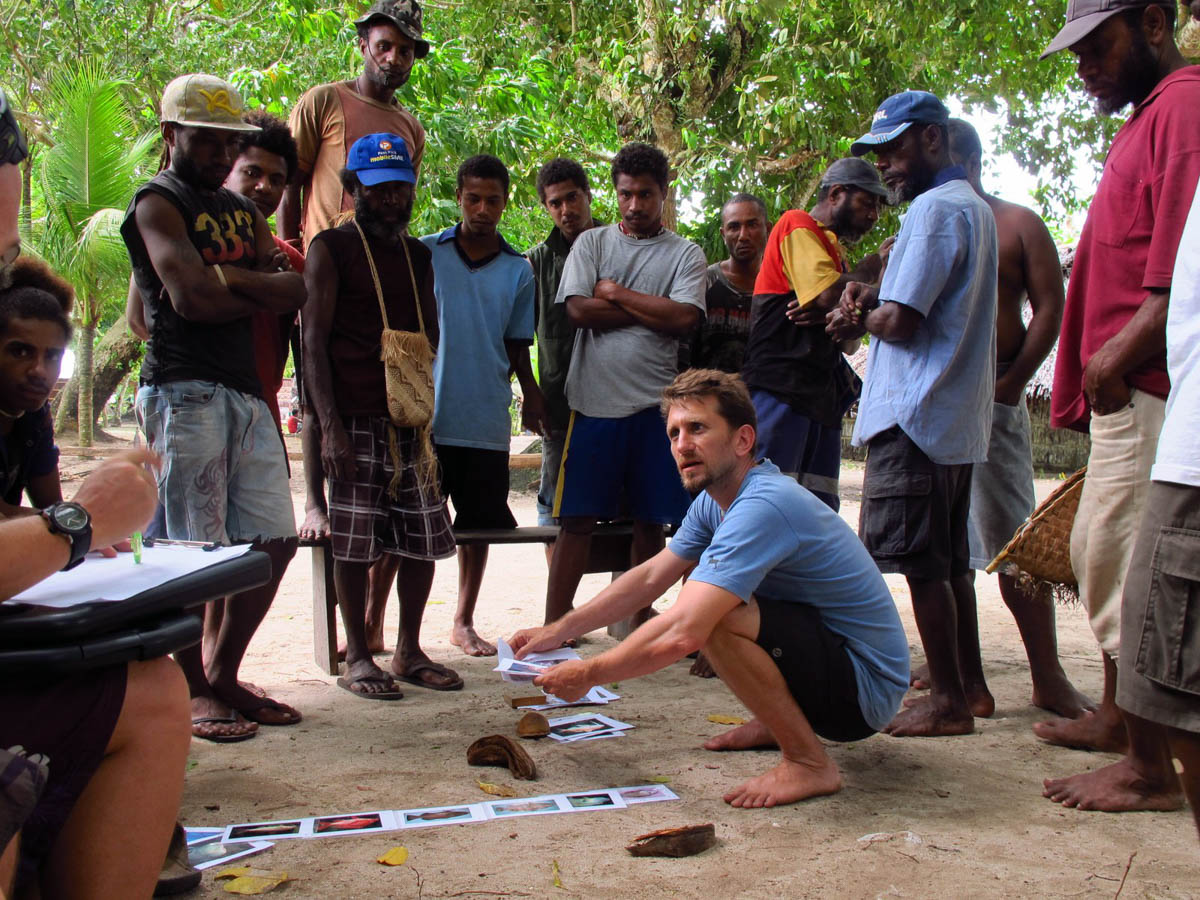
In the coastal community of Muluk, village elders periodically close sections of the reef to fishing. The approach gives fish populations time to replenish while retaining the community’s ability to harvest marine resources when areas reopen.
Unlike permanent fishing prohibitions, these customary closures are embedded within local systems of resource management.
Their effectiveness depends not simply on restricting fishing, but on the community relationships, knowledge and responsibilities that support those decisions.
Conservation Rooted in Community Life
What makes the Papua New Guinea example particularly significant is the relationship between environmental protection and everyday community life.
The continuation of traditional reef management has been supported by relationships between generations, shared responsibility and cultural practices that encourage participation.
Professor Cinner’s subsequent research has shown how these social connections help maintain customary management systems over time.
Rather than treating conservation as something imposed externally, communities are directly involved in deciding how their marine resources should be used and protected.
The result is an approach in which environmental stewardship and local livelihoods are closely connected.
This distinction matters because conservation measures that appear effective on paper may struggle when they fail to reflect local economic realities, social relationships or established customs.
In Papua New Guinea, traditional knowledge and community participation are central to the management process.
What Makes a Conservation Success Story?
The latest research, led by Dr Bing Lin and Professor Cinner, reviewed more than 70 studies examining environmental and sustainability successes across different ecosystems.
These examples, described by researchers as conservation ‘bright spots’, are places where nature or communities perform better than expected despite facing significant pressures.
The review identified three recurring characteristics associated with successful outcomes.
First, local knowledge was recognised alongside scientific research.
Second, communities were meaningfully involved in decision-making rather than simply expected to follow externally designed rules.
Third, management approaches were adapted to the environmental, social and cultural conditions of individual locations.
Together, these findings suggest that successful conservation depends on more than identifying ecological problems and introducing restrictions.
It also requires understanding the people who live alongside, depend upon and manage natural ecosystems.
The researchers found comparable patterns in conservation successes involving wildlife far removed from coral reefs, including chimpanzees in West Africa, grizzly bears in Canada and shy albatrosses off Tasmania.
Although the environmental challenges differ, local participation and management suited to individual conditions repeatedly emerge as important ingredients.
Why This Matters for the Diving World
For divers, healthy coral reefs represent extraordinary underwater environments. But for coastal communities, reefs are also essential sources of food, livelihoods and cultural identity.
Protecting them therefore involves more than maintaining attractive dive sites or preserving marine biodiversity in isolation.
The Papua New Guinea research illustrates why effective reef protection must also consider the people whose lives are connected to these ecosystems.
For dive operators, marine conservation organisations and destinations developing sustainable tourism strategies, the findings offer an important reminder: conservation initiatives are more likely to endure when local communities have genuine influence over how they are designed and managed.
This does not mean customary fishing closures provide a universal solution. Their effectiveness depends on local conditions, and conservation strategies must account for wider threats, including climate change and marine heatwaves.
However, the research suggests that studying places where conservation is already working can help identify approaches that deserve closer attention elsewhere.
Learning From What Works
Much of the global discussion surrounding coral reefs understandably focuses on bleaching, declining biodiversity and the consequences of climate change.
These threats remain substantial, and successful local conservation cannot eliminate them.
Nevertheless, the Papua New Guinea example demonstrates that some marine ecosystems are achieving better outcomes than expected, even under difficult circumstances.
By examining these successes, scientists hope to improve understanding of the conditions that help conservation efforts endure.
The message is not that coral reefs are safe from environmental change, but that effective local stewardship can make a meaningful contribution to protecting marine life.
For the global diving community, it is a reminder that some of the most valuable lessons in reef conservation come from the knowledge and experience of the people who have managed these waters for generations.
Research: Bing Lin and Joshua E. Cinner, Unifying bright spots research for people and nature, Nature Ecology & Evolution (2026).
University of Sydney research announcement
