

A newly approved PADI Distinctive Specialty is taking a different approach to diver education, placing observation, situational awareness and composure at the centre of underwater training.
Developed by Estonian education company Rubelis OÜ and written by Istanbul-based diving instructor Taylan Kırali, Rubelis Presence Diver is designed to help certified scuba divers become more aware of their surroundings, recognise changes in their own breathing and behaviour, and better understand the condition of their dive buddies.
Rather than introducing new equipment or technical diving procedures, the programme focuses on how divers observe, interpret and respond to what is happening around them.
The course has been approved under PADI’s Distinctive Specialty programme, providing a recognised certification pathway for divers seeking to develop these abilities.
Looking Beyond Technical Diving Skills
Traditional scuba training places considerable emphasis on essential practical skills, including buoyancy control, mask clearing, equipment management and emergency procedures.
However, technical competence is only one part of safe and responsible diving. The ability to recognise developing situations, interpret environmental conditions and respond appropriately is equally relevant.
Rubelis Presence Diver has been developed around this distinction.
The programme encourages divers to pay closer attention to their breathing, body position, surroundings and dive buddies, while developing greater awareness of their potential impact on the marine environment.
Its central decision-making sequence is deliberately straightforward:
Stop. Breathe. Assess. Act.
The intention is to encourage more considered responses to minor underwater difficulties rather than immediate or unnecessary reactions.
“Technical training teaches divers what to do,” explains course author Taylan Kırali.
“Presence trains them to notice first: their breathing, their buddy, the reef under their fins. Those are skills you can practise at any dive site. To protect the sea, you first have to really see it.”
The approach is intended for ordinary, non-time-critical situations and does not replace established emergency procedures.
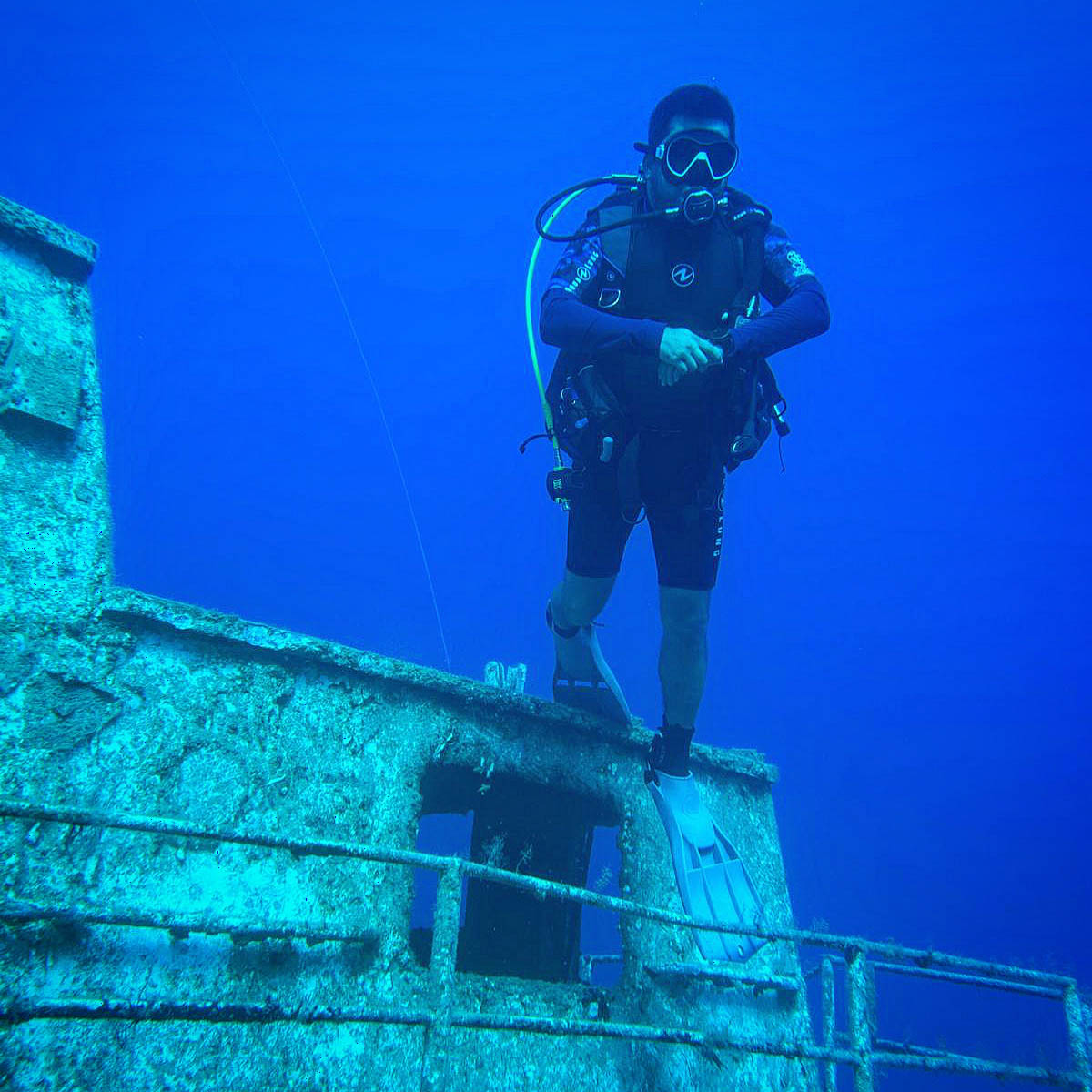
Why Awareness Matters Underwater
The course’s development draws on existing research into human factors and diver behaviour.
A 2005 review of 1,000 Australian diving incidents by C.J. Acott identified at least one human error or violation contributing to 87% of the cases examined.
Research published in 2023 into diver behaviour around coral communities in Hong Kong also identified differences between how frequently divers believed they contacted the underwater environment and the contact recorded by observers.
In that study, observers recorded an average of approximately 10.7 contacts with marine life or the seabed per dive, compared with an average of 4.7 reported by the divers themselves.
These findings illustrate the importance of awareness and self-observation in diving, although they do not independently establish the effectiveness of the new Rubelis programme.
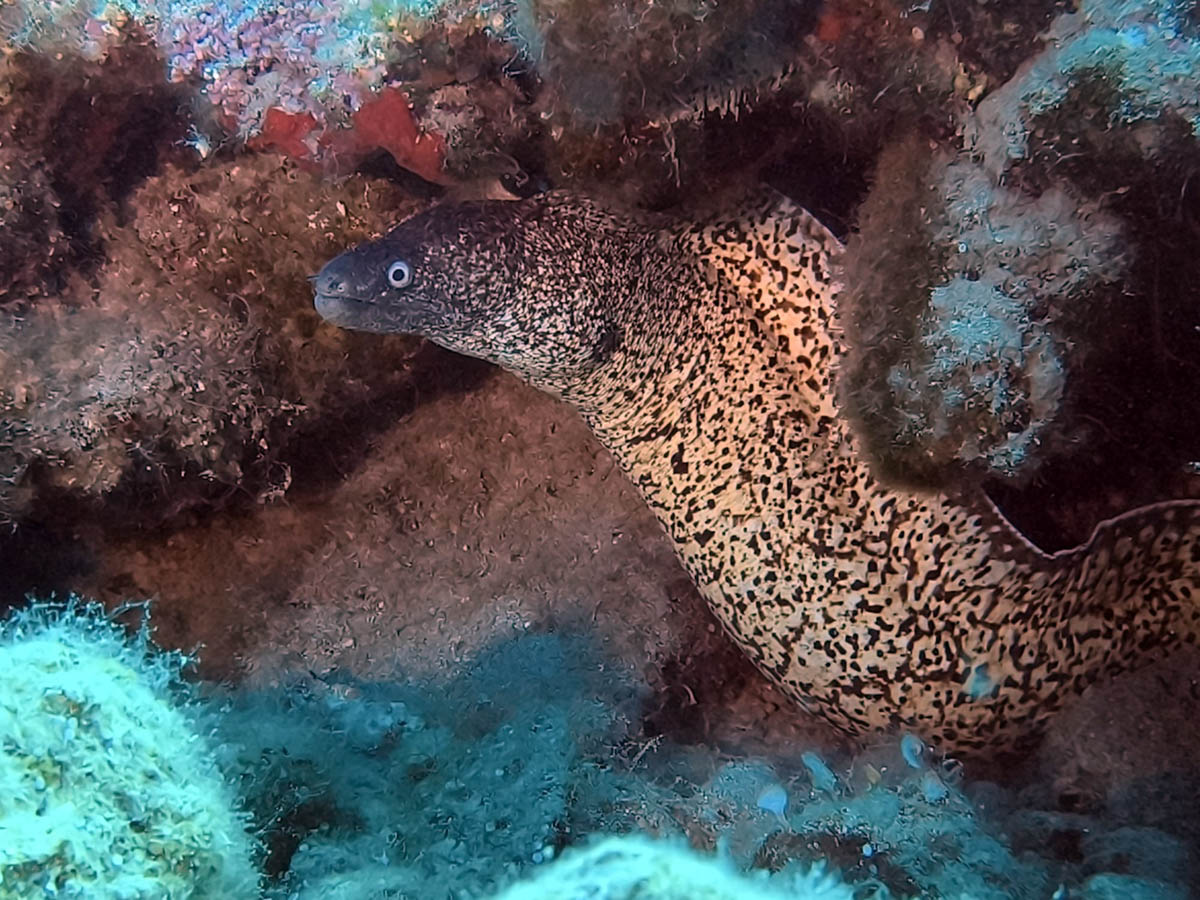
How the Presence Diver Course Works
Rubelis Presence Diver combines online learning with practical underwater instruction.
The theoretical component consists of 12 chapters, requiring approximately 10 hours of self-paced study.
Divers then complete two open water training dives.
The first, known as the Observation Dive, concentrates on observing the underwater environment, remaining still and maintaining awareness of other divers.
The second, the Composure Dive, introduces supervised exercises intended to develop a more deliberate response to manageable underwater challenges.
Assessment is based on in-water performance and a short written reflection following each dive. There is no separate written examination or swimming pool session.
The programme’s stated requirements include:
- A minimum age of 12 years.
- An Open Water Diver certification or recognised equivalent.
- A maximum training depth of 18 metres.
- A maximum of four students per instructor.
- Completion of the online learning before the practical dives.
Successful participants receive a PADI Distinctive Specialty certification, recorded through PADI’s certification system. The qualification can also contribute towards the PADI Master Scuba Diver rating, subject to the usual requirements.
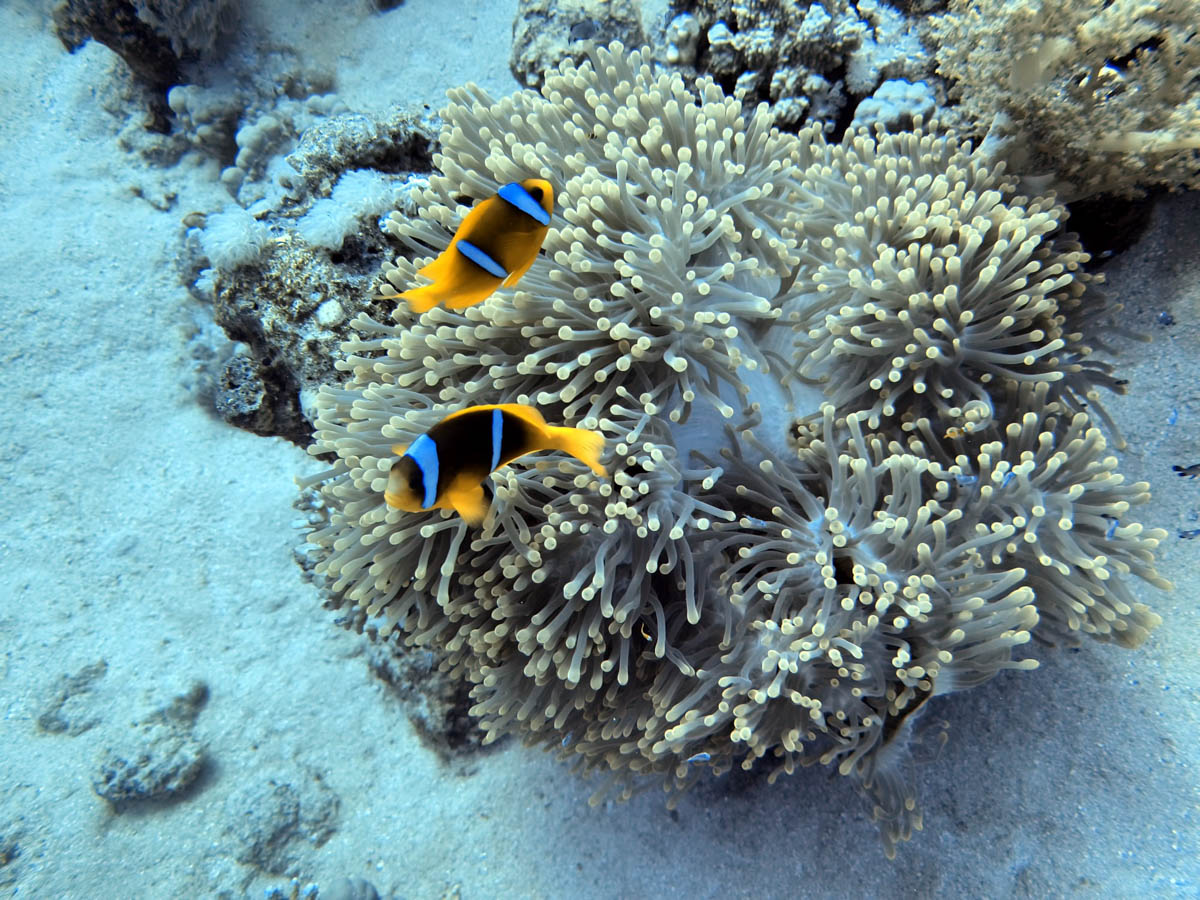
Encouraging More Responsible Marine-Life Encounters
Environmental awareness is another significant element of the training.
Divers are encouraged to consider their positioning, fin movements and proximity to marine organisms, particularly when observing delicate environments such as coral reefs and seagrass habitats.
The programme advocates close observation without physical contact, encouraging participants to recognise details they might otherwise overlook.
This approach is intended to develop more deliberate underwater behaviour rather than simply adding another activity to a dive.
Rubelis also operates a citizen-science initiative using iNaturalist, encouraging divers to document marine-life observations that may contribute to wider biodiversity records.
The organisation has announced a worldwide Camera-Free Dive Day for 4 September 2027, inviting participants to complete a dive without underwater photography equipment and concentrate on direct observation.
An Open Approach to Course Development
Rubelis has made supporting educational material publicly accessible, including its methodology, RBSA 1001:2027 training standard and course design report.
The company has also published external expert reviews, including critical observations, as part of its stated commitment to transparency.
Its course design report proposes a framework for independent researchers to investigate the programme’s effectiveness.
At present, however, the course’s educational outcomes have not been established through completed independent effectiveness studies.
Rubelis says that future research findings will be made publicly available regardless of whether the results support the programme’s intended benefits.
Readers can examine the organisation’s independent reviews and supporting documentation.
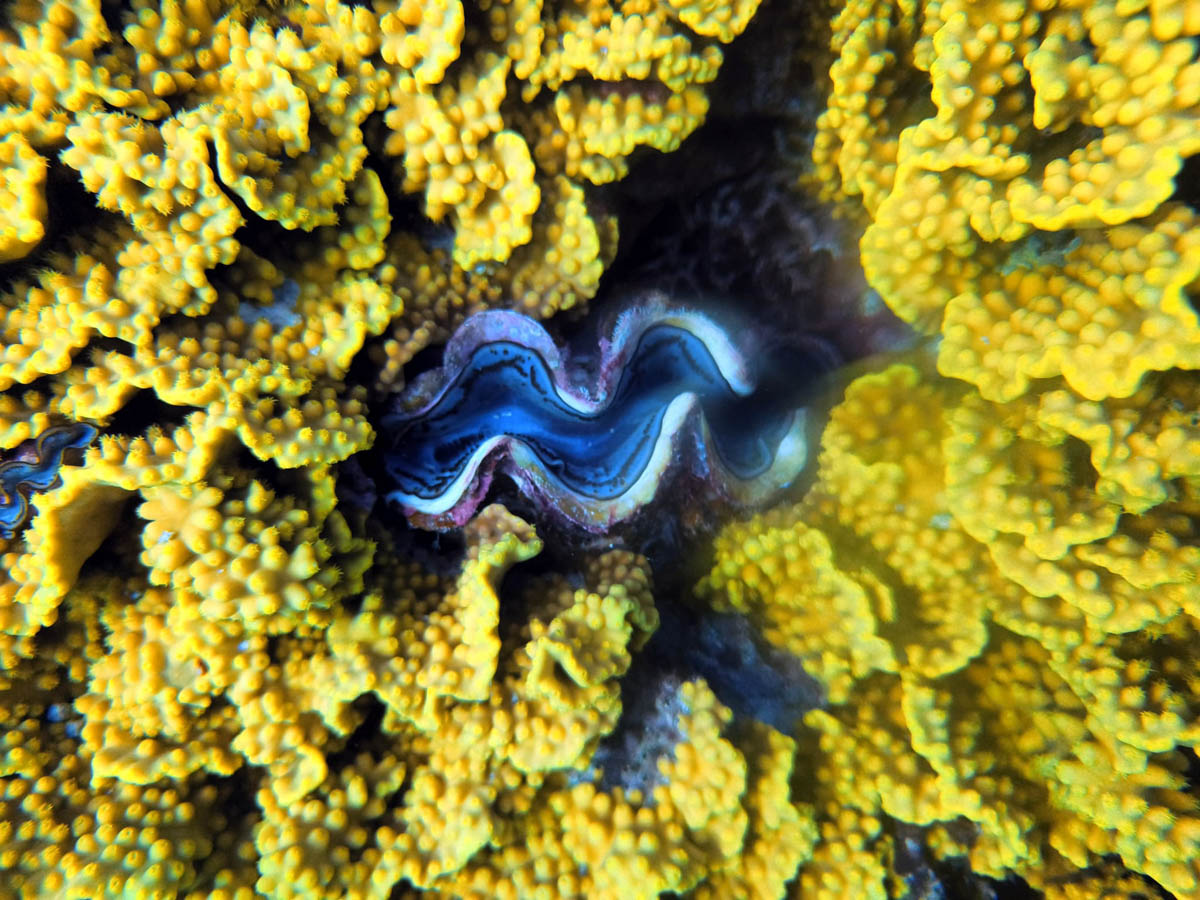
Availability and Instructor Training
Rubelis Presence Diver is currently offered through a partner dive centre in Istanbul, Türkiye.
According to the organisation, PADI Instructors elsewhere can apply to teach the specialty after completing the relevant Presence Instructor training and meeting the programme’s requirements.
The course forms part of the wider Rubelis approach to post-certification education, which also includes its Beyond Diver learning programme.
Although these programmes are connected, the Presence Diver specialty introduces a formal PADI certification and supervised open water training.
For divers interested in developing their underwater observation skills, the new specialty offers a structured approach to an area of diving that often develops informally through experience.
Further information about the course, its structure and availability can be found on the Rubelis Presence Diver website.
