



Diving Vietnam: Con Dao’s Reefs, Cu Lao Cham’s Marine Park, and What’s Actually Down There
Vietnam rarely makes a diver’s shortlist the way Indonesia or the Philippines does, and for years that reputation was fair, built on heavy monsoon runoff, mixed visibility, and a tourism industry organized almost entirely around beaches rather than reefs. That picture has shifted more than most divers realize, particularly around Con Dao and the protected waters off Hoi An, where two decades of conservation work have produced recovering coral and a level of marine life that surprises visitors expecting a write-off. For travelers weighing Vietnam packages that build in time underwater rather than just on the sand, Vietnam’s dive sites deserve a longer look than they usually get.
Con Dao’s Recovering Reefs
Con Dao, an archipelago roughly two hundred kilometers off Vietnam’s southern coast, spent much of the twentieth century as a penal colony under French and later South Vietnamese control, a history that ironically left its waters undisturbed by the coastal development seen elsewhere. Since gaining national park status in 1993, the surrounding marine area has become the country’s clearest conservation success story, with hard coral cover on several sites that would not look out of place further south in the Coral Triangle. Bay Canh and Dam Trau beaches host nesting green turtles between roughly May and October, and dive operators here run turtle-monitoring dives alongside standard reef trips, a combination that draws a fair number of repeat visitors. Visibility typically runs between ten and fifteen meters, modest by regional standards but consistent enough to reliably spot reef sharks, large schools of fusiliers, and, on rarer occasions, dugongs grazing seagrass beds near the islands. Access remains entirely by boat or a short domestic flight from Ho Chi Minh City, which has kept dive numbers considerably lower than at Vietnam’s more developed coastal resorts.
Cu Lao Cham’s Marine Protected Area
Cu Lao Cham, a small island cluster off Hoi An, earned UNESCO biosphere reserve status in 2009 after a community-based conservation program brought local fishing communities directly into managing the surrounding no-take zones. That management model has become something of a reference case in Southeast Asian marine conservation, since it tied reef protection to fishing livelihoods rather than treating the two as competing interests. The islands sit close enough to Hoi An’s old town that a dive trip fits easily alongside a day of sightseeing, a rare combination in a country where dive sites and cultural highlights tend to sit hours apart. Seasonal closures protect spawning periods for several reef fish species, and local operators generally follow these windows closely rather than pushing trips through regardless of ecological timing. Macro life dominates the appeal here more than big animal encounters, with nudibranchs, mantis shrimp, and juvenile reef fish turning up in shallow, sheltered bays well suited to both new divers and photographers working close-focus setups.

What’s Actually Down There
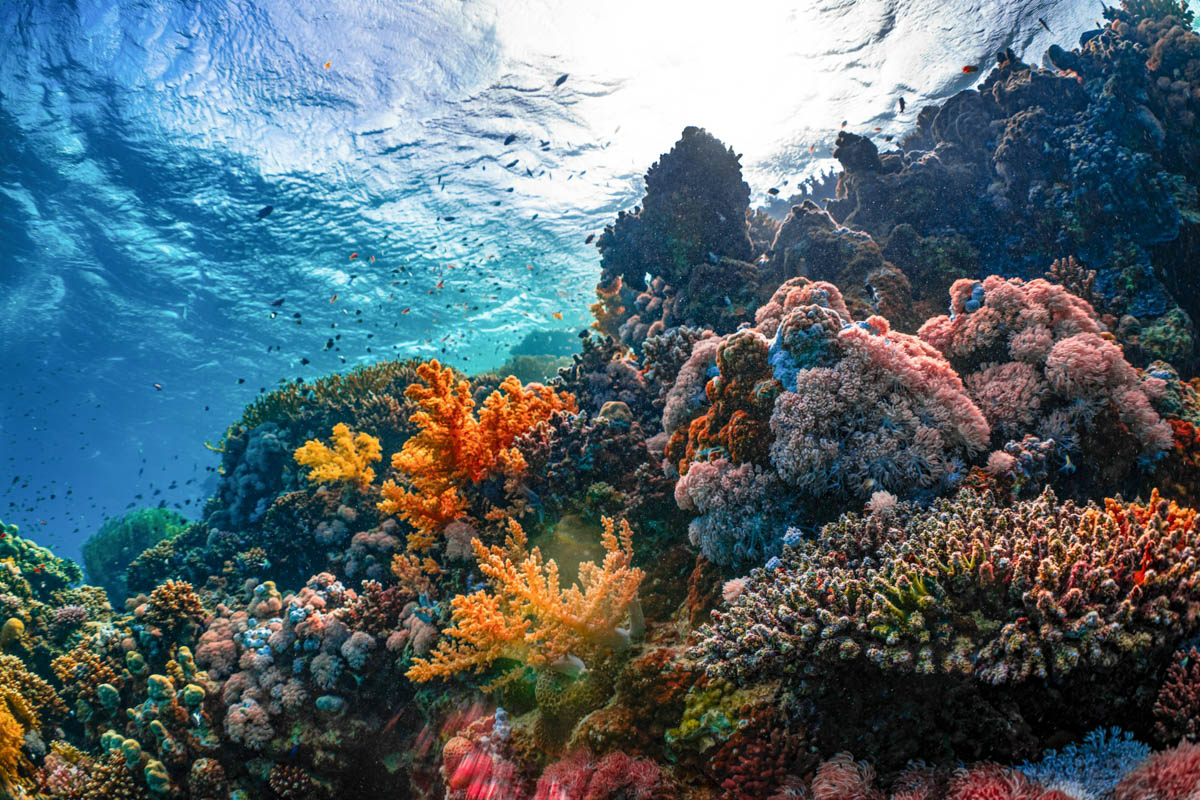
Vietnam’s reef fish diversity does not match the Coral Triangle’s headline numbers, but the gap has narrowed noticeably as protected areas mature and fish populations rebuild inside no-take zones. Nudibranch enthusiasts tend to find Vietnam particularly rewarding, since the country’s mix of rocky reef, sand, and rubble habitat supports a wide range of species that macro photographers specifically seek out. Seahorses turn up reliably at several sites around both Con Dao and Cu Lao Cham, usually spotted by local dive guides who have learned exactly which sponge or soft coral a given individual tends to favor. Whale shark sightings remain occasional rather than predictable, concentrated mostly in the months bridging the dry and wet seasons, and no operator can responsibly promise one on a given trip. What Vietnam offers instead of guaranteed big-animal encounters is a reef system that is visibly on the mend, worth diving partly for the marine life itself and partly for the chance to see conservation work translating into measurable results underwater.
Visibility and Conditions Through the Year
Vietnam’s long coastline means the north and south operate on largely opposite monsoon schedules, which matters considerably when planning a dive-focused trip rather than a general sightseeing route. The south, including Con Dao, sees its calmest conditions and best visibility from March through August, while the central coast around Cu Lao Cham favors a similar window running from roughly February through August before the autumn storm season sets in. Water temperature stays warm year round, generally between twenty-six and twenty-nine degrees Celsius, though a light thermocline can appear on deeper sites during the cooler months. Rain itself matters less to diving conditions than runoff does, since heavy rainfall inland can cloud coastal visibility for days even after the storm itself has passed. Checking recent operator reports before booking, rather than relying on general seasonal averages alone, tends to produce a more accurate picture than the published dive calendars suggest. A trip planned around one specific site’s peak window still leaves room for a day or two of poor visibility, so building in flexibility matters as much as picking the right month.
Planning a Dive-Focused Vietnam Trip
Ho Chi Minh City works as the natural gateway for Con Dao, connected by a short domestic flight that takes under an hour, while Da Nang serves the same role for Cu Lao Cham, reached by a thirty-minute boat transfer once travelers arrive in Hoi An. PADI and SSI-affiliated dive centers operate in both locations, and booking a package that includes several days of diving alongside standard hotel nights tends to work out more efficiently than arranging boats and gear rentals separately once on the ground. Liveaboard options remain limited compared to destinations like Indonesia or the Red Sea, so most diving here runs as day trips from a land-based hotel rather than multi-day boat charters. Combining a Con Dao or Cu Lao Cham dive stop with a broader Vietnam itinerary, covering a few days each in the diving location and the country’s better-known cultural stops, makes for a more complete trip than treating diving as the sole focus. Divers used to booking Southeast Asia trips around Indonesia or the Philippines will find Vietnam’s dive infrastructure smaller in scale, but the reefs themselves are worth the adjustment in expectations.