




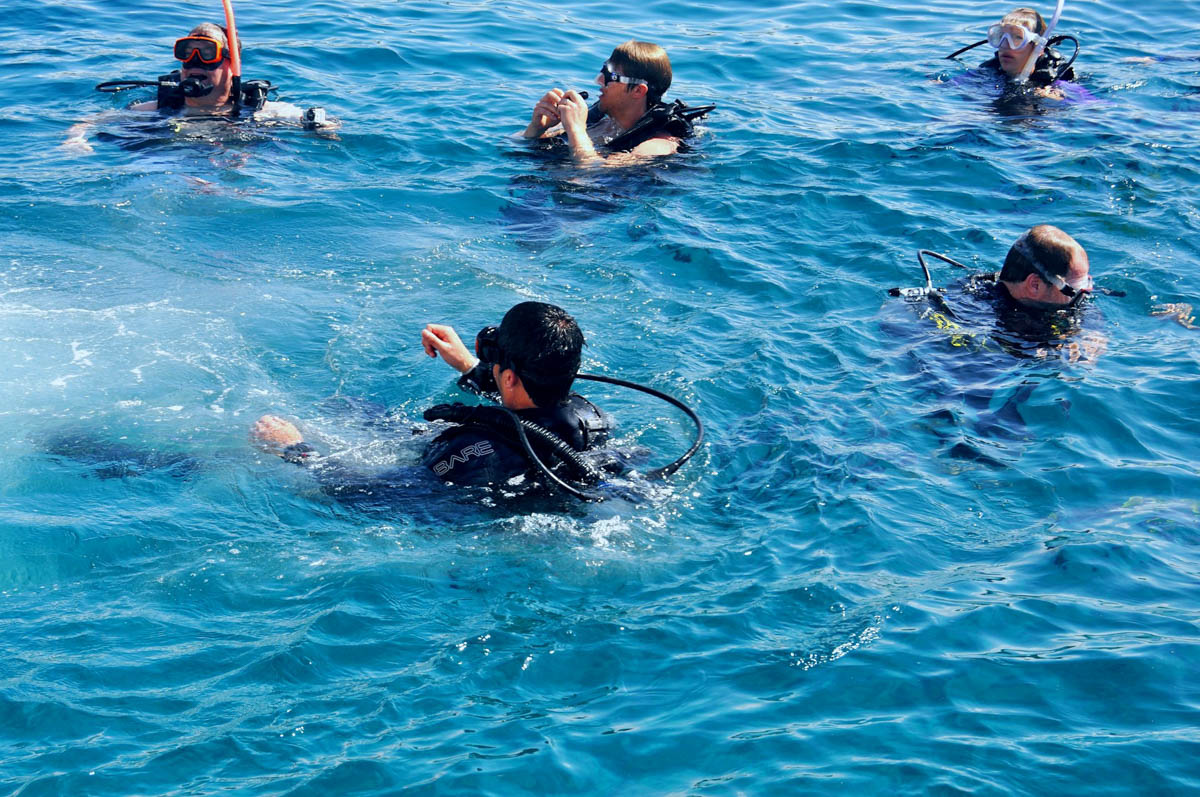

I just read through a ton of comments from instructors, divemasters, and newer divers on a deceptively simple question:
What should the student be responsible for… and what should the shop/instructor be responsible for… when someone learns to dive?
Here’s the big takeaway:

1) The problem usually isn’t “bad students” or “bad instructors.”
It’s misaligned expectations.
A lot of new divers walk in thinking:
- “I paid, so I’ll pass.”
- “The instructor will make me comfortable in the water.”
- “Group class means I’ll get 1:1 help if I need it.”
And a lot of pros are assuming:
- “They read the materials and signed the forms.”
- “They’ll tell me if they’re scared or can’t swim.”
- “They understand group training has limits.”
Both sides feel justified… and then frustration shows up on day one.
2) Forms don’t equal understanding.
This came up a lot.
Many agencies have moved paperwork online, so students are often told:
“Go create an account, click through everything, sign it, and we’ll see you in class.”
That’s efficient — but it also means the most important expectation-setting is happening alone, on a website, with no human explanation.
Digital completion is not the same thing as comprehension.
3) Water comfort matters more than most people admit.
The most common “failure mode” people mentioned wasn’t academics — it was:
- not being able to swim / tread water
- panic and fear responses
- discomfort that students didn’t disclose (or didn’t even realize mattered)
This doesn’t mean diving “isn’t for everyone.”
It means diving is a partnership — and some readiness has to come from the student.
4) Group vs private is a hidden mismatch.
This one is huge:
Some students choose a group course for the price… but expect private-level attention.
Some shops want to help… but can’t sacrifice the whole group’s pace for one person.
That mismatch is where disappointment lives.
5) The best instructors all do one thing early:
They create a shared reality in plain language.
They say things like:
- “This is performance-based training. Paying doesn’t guarantee certification.”
- “Here’s what group training looks like — and here’s when private remediation makes”Sense”
- “Here are the non-negotiables: swim/float requirements, comfort in water, and honest communication.”
And they normalize something that should never be shameful: needing more time.
So I’ll leave this with one question for both students and dive pros:
What’s the one expectation you wish every new diver understood before day one?
(Students: what do you wish someone had told you? Instructors: what do you wish students came in knowing?)
Comments