


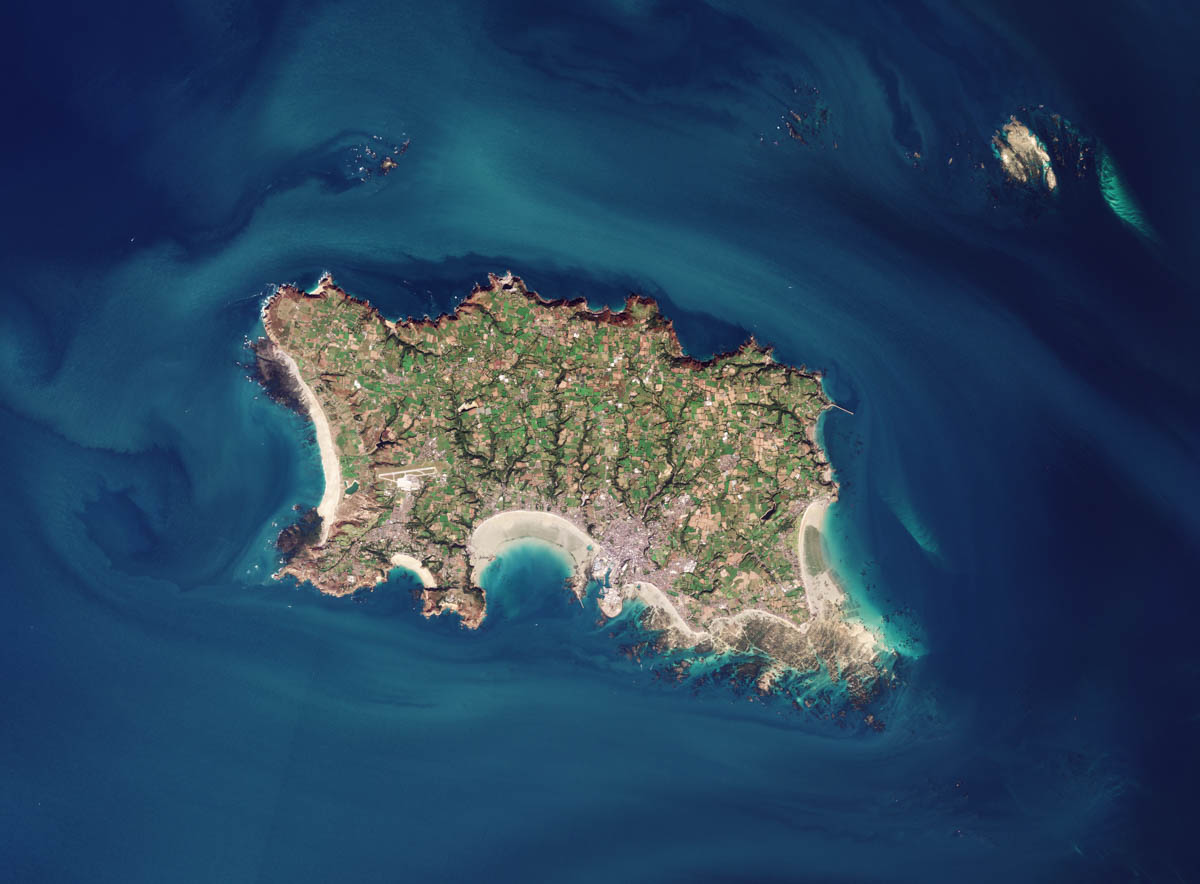
In a move that could quietly reshape one of Europe’s most biologically rich coastal regions, the government of Jersey has approved a major expansion of its Marine Protected Area network, pushing protection levels far beyond what most jurisdictions have achieved to date.
According to an announcement from the Blue Marine Foundation, Jersey is set to increase protection of its territorial waters from around 6.5 percent today to 21.7 percent by September 2026, with a longer-term target of approximately 23 percent by 2030. The scale of that jump places the Channel Island among the more ambitious marine protection efforts in European waters.
The policy is not simply a line on a map. As outlined in the Blue Marine Foundation’s official statement, the expanded zones will restrict the use of mobile fishing gear, including bottom trawling and dredging, in ecologically sensitive areas. These methods are widely recognised as some of the most damaging to seabed habitats, particularly in regions where fragile ecosystems have taken decades, or longer, to develop.
At the centre of the protection strategy are habitats that divers will immediately recognise as both visually striking and ecologically critical. Jersey’s waters host extensive kelp forests, seagrass meadows, and maerl beds, the latter being slow-growing calcified algae structures that act as biodiversity hotspots. Reporting from Blue Economy News highlights that maerl beds alone can support hundreds of species within a single square metre, underlining just how much ecological value is concentrated in areas often overlooked from the surface.
This is where the significance of the policy begins to extend beyond conservation headlines. Protecting seabed habitats at this scale is not only about preservation, it is about recovery. Scientific consensus has increasingly shown that when destructive pressures are removed, marine ecosystems can rebound with surprising speed. Fish biomass increases, structural habitats regenerate, and entire food webs begin to stabilise.
For divers, that translates into something tangible. Healthier seabeds typically mean more life, more encounters, and, over time, improved visibility as sediment disturbance declines. Jersey has long been known for its tidal diving and seasonal biodiversity, but this level of protection introduces the potential for a noticeably different underwater experience in the years ahead.
The policy has not emerged in isolation. As detailed in coverage from Fishing News, the measures are the result of extensive seabed mapping, scientific research, and stakeholder consultation. That process matters. Marine protection that is grounded in data and shaped through consultation tends to be more resilient, both ecologically and politically.
There is, however, an underlying tension that should not be ignored. Restrictions on mobile fishing gear inevitably raise concerns within parts of the fishing sector, particularly around displacement and access to traditional grounds. That friction is not unique to Jersey, it is a recurring feature of marine protection globally, and one that often defines whether policies succeed in the long term.
What sets Jersey apart is the scale and clarity of its commitment. Rather than incremental adjustments, this is a decisive shift in how its marine space will be managed. It reflects a broader transition underway in ocean policy, where protecting ecosystems is increasingly seen not as a constraint on economic activity, but as a foundation for its future.
For the diving community, the implications are worth watching closely. While the immediate changes will be regulatory, the real story will unfold underwater over the coming years. If the protections deliver as expected, Jersey could become a case study in how targeted marine protection enhances not only biodiversity, but also the quality of the dive experience itself.

