





Illinois, USA has recorded eight cases of Hantavirus since 1993—this situation is a example of why we can’t let our guard down when it comes to rodent awareness. Recent headlines can definitely look alarming at a glance, but the Illinois Department of Public Health (IDPH) has made it clear that these are two completely separate situations.
The Illinois Case
- The Strain: The suspected case in Winnebago County, Illinois, involves a North American strain of hantavirus (predominantly the Sin Nombre virus).
- The Cause: The individual is believed to have contracted it locally while cleaning a home where wild rodent droppings were present.
- Transmission: North American strains do not spread from person to person.
- Current Status: The resident experienced mild symptoms, did not require hospitalization, and is recovering well.
The MV Hondius Cruise Ship Outbreak
- The Strain: The outbreak on the cruise ship is caused by the Andes strain, which is native to South America and carried by the long-tailed pygmy rice rat (a rodent that does not live in the U.S.)
- Transmission: Unlike domestic strains, the Andes virus is unique because it can transmit directly between humans through close, prolonged contact.
- Public health officials emphasize that the overall risk of contracting any form of hantavirus remains incredibly low for the general public. For those in the U.S., the standard advice applies: if you are cleaning out old barns, cabins, or sheds where mice have been, skip the broom (which kicks up dust) and instead wet the area down with a bleach solution while wearing a mask.
_(9310532204).jpg)
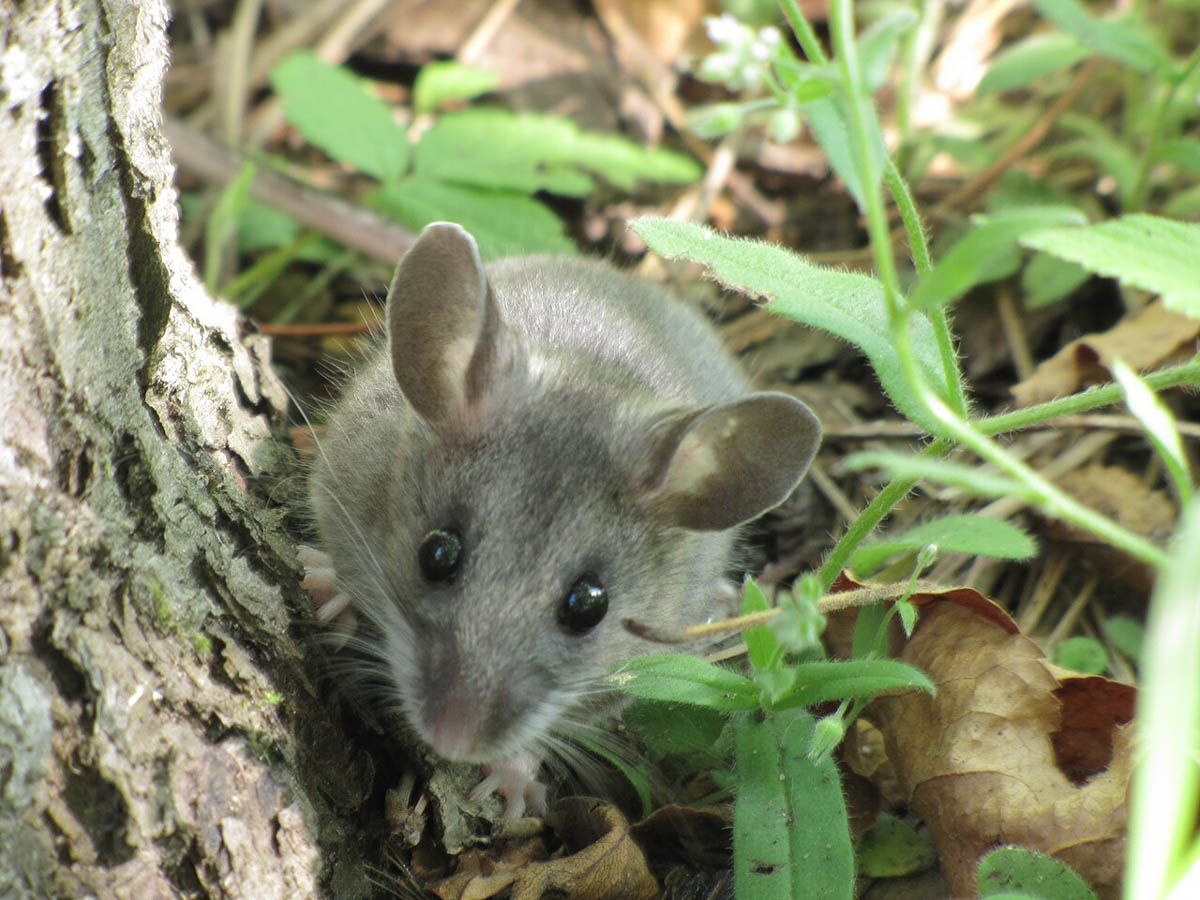
According to scientists at Virginia Tech’s department of fish and wildlife conservation:
- What: As many as 15 different kinds of rodents carry hantavirus.
- Example: This includes the common deer mouse.
- Where: These carrier rodents are most commonly found in Virginia, Colorado, and Texas.
That similarity is exactly what makes early diagnosis so difficult. Because the initial phase of Hantavirus Pulmonary Syndrome looks and feels just like a standard winter virus, a patient in Virginia or Texas might just assume they have a stubborn flu or a case of COVID-19 and try to rest it out at home.
The dangerous turning point typically happens about four to ten days after those first symptoms appear. As the virus replicates, it causes fluid to rapidly leak into the lungs, leading to a sudden and severe onset of shortness of breath, coughing, and a tight feeling in the chest. That rapid progression is precisely why the mortality rate for Hantavirus Pulmonary Syndrome remains so high, hovering around 38 percent. Once the respiratory phase kicks in, the lungs fill with fluid so quickly that a patient can go from feeling relatively stable to experiencing full respiratory failure in a matter of hours.

Because there is no specific antiviral cure for hantavirus, treatment in the intensive care unit is entirely supportive, focusing on keeping the body oxygenated using ventilators or advanced blood-oxygenating machines like ECMO until the infection runs its course. The silver lining is that early intervention dramatically improves survival rates. Armed with this new data, public health departments can now actively educate local physicians in states like Virginia and Texas to ask the right questions early, ensuring a patient gets life-saving supportive care the moment a rodent-related illness is suspected.
Comments