



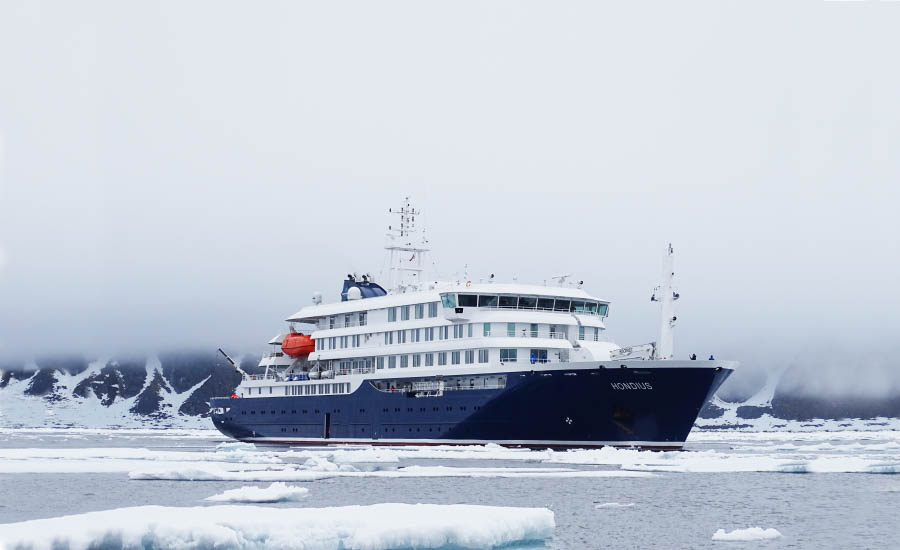

The World Health Organization and South African health authorities have confirmed a suspected hantavirus outbreak aboard the MV Hondius, a polar expedition vessel currently sailing through the Atlantic. The situation has turned tragic with three confirmed fatalities: a 70-year-old male passenger who died on the ship, his 69-year-old wife who passed away after being evacuated to a hospital in Johannesburg, and a third unidentified passenger. Currently, a 69-year-old British national remains in intensive care, while five other suspected cases are being monitored. One case has been officially laboratory-confirmed as hantavirus, marking a rare and concerning appearance of the pathogen in a maritime environment.
The outbreak began while the ship, operated by Oceanwide Expeditions, was in transit from Argentina toward Cape Verde. While hantaviruses are typically transmitted to humans through contact with rodent waste, the WHO is conducting a rigorous risk assessment to determine the specific strain and the potential for human-to-human transmission. The ship was last tracked near Praia, Cape Verde, as officials coordinate further medical evacuations and implement quarantine protocols. Because there is no specific vaccine or antiviral treatment for hantavirus, medical teams are prioritizing intensive respiratory support for those showing symptoms of severe pulmonary distress.

What is Hantavirus?
Hantavirus is a pathogen primarily carried by specific wild rodent species, including deer mice, cotton rats, rice rats, and certain voles. When humans come into contact with the saliva, excrement, or urine of these infected animals, they can develop Hantavirus Pulmonary Syndrome (HPS), a rare but potentially fatal respiratory condition.

The virus is relatively fragile and cannot survive for extended periods once it leaves its animal host. Generally, it remains infectious for less than a week in outdoor environments and loses its stability within just a few hours if subjected to direct sunlight.
Since its initial recognition in Canada in 1994, subsequent medical reviews established that the virus had been present earlier, with the first documented case dating back to 1989. In the years following that first occurrence, Canada recorded a total of 109 confirmed infections and 27 fatalities, based on data provided by the Public Health Agency of Canada through early 2015. While these figures indicate that the illness is quite rare, the mortality rate remains significant for those who contract it.

Hantaviruses generally manifest in two primary forms depending on the region: Hantavirus Pulmonary Syndrome (HPS), which is prevalent in North America, and Hemorrhagic Fever with Renal Syndrome (HFRS), which is more common throughout Asia and Europe. HPS is particularly dangerous, carrying a high mortality rate of approximately 40%.
The incubation period for HPS typically ranges from one to five weeks, though symptoms most often emerge between two and four weeks after contact. The illness starts with symptoms that mimic the flu—such as fever, body aches, headaches, and chills—but can quickly progress to include severe respiratory distress, a racing pulse, and digestive issues like vomiting and nausea.
The MV Hondius ship was last tracked near Praia, Cape Verde, on Sunday night. The WHO is currently coordinating with the ship’s operators and member states to facilitate the evacuation of two other symptomatic passengers and to conduct a full public health risk assessment for everyone remaining on board.
Comments