



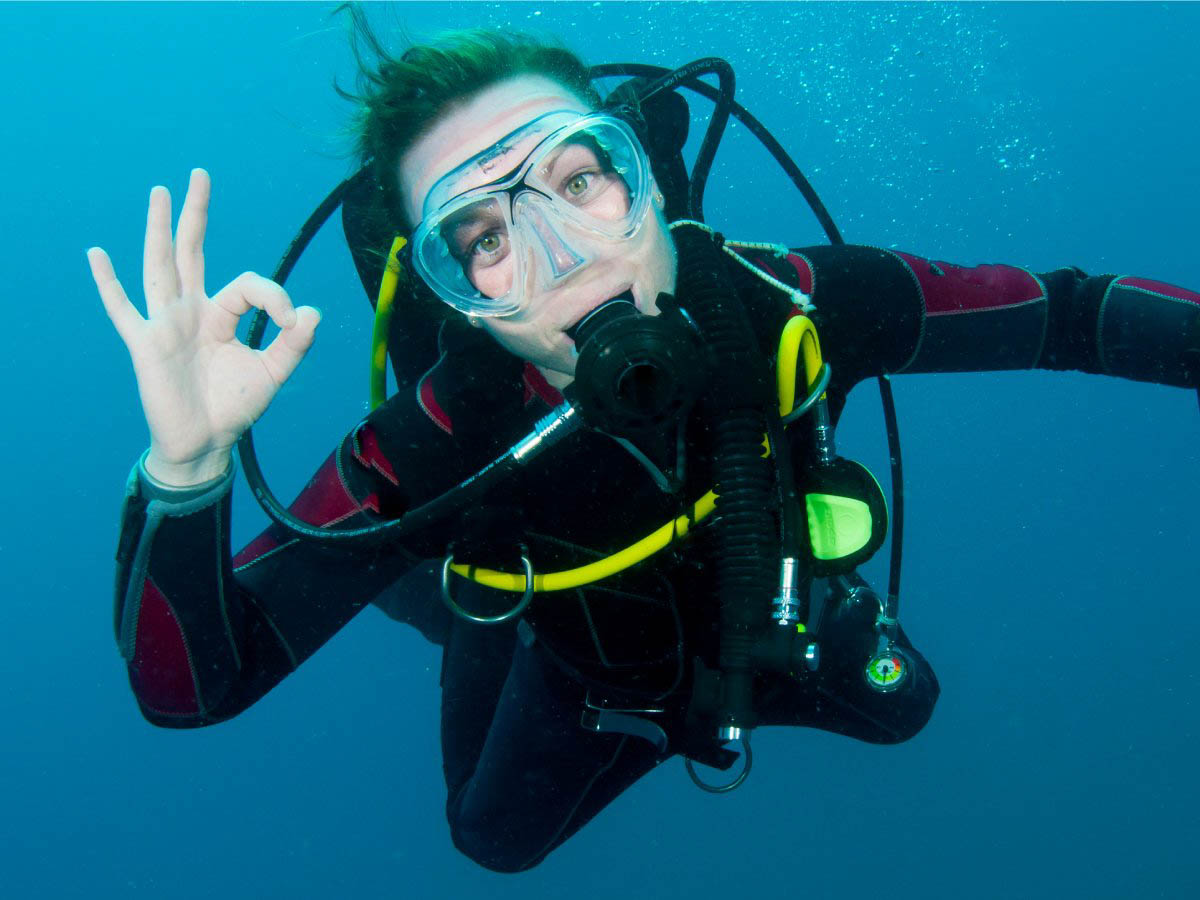
College writing can sometimes feel dry, formal, and far away from real life. However, narrative writing gives students a chance to bring experience, emotion, and personality onto the page. That is why a topic like scuba diving can become such a powerful tool for learning. It is not only about water, coral, or deep blue silence. It is also about fear, discovery, focus, and change. When students write scuba diving stories, they learn how to shape experience into meaning. In other words, they do more than describe an adventure. They practice becoming better storytellers.
A scuba diving story naturally offers tension, movement, and vivid details. There is a clear setting, a strong emotional atmosphere, and many opportunities to reflect. One moment, a student might be nervous on the boat. The next, they are underwater, hearing nothing but their own breath. That shift alone can create a beautiful narrative arc. For college students who want to improve their writing, this kind of subject is like a training pool for bigger academic and creative challenges.
Why Scuba Diving Stories Matter in College
Scuba diving stories matter because they combine action with reflection. In college, students are often asked to do more than report facts. They need to analyze experiences, explain growth, and connect personal moments to larger themes. A diving story can do all of that at once.
Think about it. What makes a good narrative memorable? Usually, it includes conflict, emotion, and transformation. Scuba diving offers all three. A student may struggle with fear before entering the water. They may feel small in the middle of the ocean. Then, after seeing fish move like floating brushstrokes in a living painting, they may come back with a new sense of calm or confidence. That is not just a trip story. That is a story about change.
To turn that kind of experience into clear academic writing, structure becomes essential. A scuba diving story may feel vivid in memory, but without direction, it can lose its impact on the page. Students need a way to move from simple description to thoughtful reflection, guiding the reader through both the moment and its meaning. They can strengthen their skills by exploring a reliable writing blog, where they can find guidance on essay structure, grammar, research skills, and common academic challenges. It can do more than explain rules. The PapersOwl blog shows how writing works in practice and helps students approach their assignments with more clarity and confidence. With the right support, it becomes easier to shape a personal diving experience into a narrative that is both structured and meaningful, while still keeping its original sense of depth and emotion.
Also, scuba diving pushes writers to slow down and observe. Underwater, every movement matters. Every color stands out. Every breath becomes part of the experience. This helps students notice details, and detail is the lifeblood of narrative writing. Without detail, a story feels flat. With the right detail, it breathes.
In college, narrative skills are useful in many situations. Students need them in personal essays, reflection papers, application writing, presentations, and even research introductions. A strong storyteller can lead readers into a topic instead of dropping them into it without warning. That skill is valuable in every field, from literature to nursing to environmental science.
Turning Underwater Experiences into Strong Narratives
Writing about scuba diving is not simply listing what happened in order. Good narrative writing shapes experience. It chooses what to focus on, what to leave out, and what lesson to highlight. A strong college-level story needs both scene and purpose.
Many students make the mistake of writing like they are filling out a report. They say, “First I got on the boat. Then I wore my gear. Then I went underwater.” While that is technically correct, it does not invite the reader in. A better approach is to focus on the emotional center of the moment. What did the student feel before the dive? What surprised them? What changed after they surfaced?
When writing scuba diving stories, it helps to treat the experience like a movie scene rather than a checklist. Imagine the reader is sitting beside you but has never seen the ocean from below. You have to open the curtain for them. Let them see the light filtering through the water. Let them feel the pressure in their ears. Let them hear the strange rhythm of breath through a regulator.
Building a Clear Beginning, Middle, and End
Every effective narrative needs structure. Even a short college essay benefits from a clear beginning, middle, and end. Scuba diving stories work especially well with this pattern because the experience itself often follows a natural progression.
The beginning should set up the situation and the emotional stakes. Perhaps the writer is excited but nervous. Perhaps they signed up for the dive to challenge themselves. Perhaps they wanted to escape stress and find something new. This opening gives the reader a reason to care.
The middle is where the action happens. This is the descent, the underwater exploration, and the emotional turning point. Maybe the student panics for a second and has to calm down. Maybe they see a sea turtle and forget their fear. Maybe they realize that the silence underwater feels more honest than the noise of daily life. This section should be vivid, focused, and full of motion.
The ending should reflect on the experience. What did it teach the writer? Why does it still matter? In college writing, reflection often separates a simple story from a meaningful essay. The best endings do not just stop. They echo. They leave a small wave in the reader’s mind.
Using Sensory Details Without Overloading the Reader
Sensory description is one of the strongest parts of a scuba diving narrative. The underwater world is rich with sights, sounds, textures, and emotions. Still, there is a balance to keep. Too few details make the writing thin, but too many can feel heavy and slow.
A smart writer chooses details that support the mood and theme. For example, if the story is about fear turning into wonder, the descriptions should reflect that shift. At first, the water may look dark and unknown. Later, it may shine with color and movement. The details should not be random. They should work together like instruments in a band.
Instead of saying, “The fish were pretty,” a stronger sentence might be, “Silver fish flashed past me like coins tossed into sunlight.” That kind of image is more memorable. It helps the reader see and feel the moment. At the same time, the writer should avoid filling every line with dramatic language. A good story, like a good dive, needs control.
Writers should also remember that sensory detail is not only visual. The sound of breathing through equipment, the tightness of a wetsuit, the cold touch of water on exposed skin, and the floating feeling of weightlessness can all bring a scene to life. These details make the page feel less like paper and more like experience.
Improving Narrative Skills Through Reflection and Revision
Narrative skill does not appear overnight. It grows through practice, reflection, and revision. Writing a scuba diving story can be an excellent exercise because it gives students a strong personal event to examine from different angles.
First, reflection helps students move beyond summary. They should ask questions like: Why did this moment stay with me? What does it say about my fears, goals, or values? How did I change from the start of the story to the end? These questions turn an event into insight.
Second, revision teaches control. In a first draft, students often write everything they remember. That is normal. In the second draft, the real work begins. They can cut weak sentences, sharpen description, and improve transitions. They can also make sure every paragraph supports the main point. Revision is not punishment. It is polishing. It is the difference between a rough shell and a pearl.
Another useful strategy is reading the essay aloud. This helps students hear weak wording, repeated ideas, or places where the rhythm breaks. A strong narrative should sound natural, almost like the writer is telling the story face to face. If a sentence feels awkward when spoken, it usually needs work on the page too.
Students should also pay attention to pacing. Not every moment in the story deserves the same amount of space. Important emotional turning points should be slowed down and explored, while less important actions can be summarized more quickly. This creates rhythm. It also keeps the essay from becoming repetitive or too heavy.
Common Challenges College Writers Face
Even with a strong topic, students often face several common problems when writing narrative essays. One of the biggest is trying to do too much. They may want to include every detail from the trip, every emotion, and every lesson at once. As a result, the story loses focus.
A better method is choosing one main thread. Maybe the story is mainly about overcoming fear. Maybe it is about learning patience. Maybe it is about seeing nature in a new way. Once the writer knows the core message, it becomes easier to decide what belongs in the essay and what does not.
Another challenge is sounding too formal. Because college writing often feels academic, some students believe they must remove their natural voice. But narrative writing needs personality. It should still be clear and well organized, of course, yet it should also sound human. Readers connect with honesty, not stiffness.
Some students also struggle with reflection. They describe what happened but stop there. This is like opening a treasure chest and then walking away before looking inside. Reflection asks the deeper question: why does this matter? In a scuba diving story, that answer could connect to confidence, identity, risk, nature, or even mental health.
There is also the issue of balance between storytelling and analysis. In college, readers usually expect both. The story should be engaging, but it should also show thought. For example, a student might describe the moment they descended below the surface, then explain how that moment taught them to stay calm under pressure. That connection gives the essay academic value without killing its emotional power.
Finally, many students fear that their personal experience is not “important enough” to write about. But importance in narrative writing does not come from being famous or extreme. It comes from meaning. A quiet moment underwater can say more than a loud event on land. Sometimes the smallest memory carries the deepest lesson.
Finding Your Voice Beneath the Surface
Writing scuba diving stories can help college students become stronger, more thoughtful narrators. These stories naturally contain movement, emotion, and reflection, which are the building blocks of good narrative writing. More importantly, they push students to observe carefully, write vividly, and explain why an experience matters. Like learning to dive, learning to write well takes patience, control, and courage. You do not master it in one breath. You improve little by little, draft by draft, until your words begin to move with confidence. When students learn to turn underwater moments into meaningful stories, they are not only describing the ocean. They are discovering their own voice, and that voice can carry them far beyond the classroom.
Comments