




Wreck diving in the United States offers an incredible mix of history, adventure, and marine life. Across the country, divers can explore everything from shallow historic schooners preserved in freshwater to enormous naval ships now transformed into thriving artificial reefs. Some wrecks are accessible to recreational divers with modest experience, while others challenge advanced and technical divers with deep profiles and offshore conditions.
What makes wreck diving in the USA especially compelling is the sheer variety. Tropical coral growth blankets sunken warships in Florida, cold Pacific waters wrap wrecks in kelp forests, and the Great Lakes preserve wooden vessels as if frozen in time. For divers looking to combine history with unforgettable underwater exploration, these wrecks represent some of the most iconic sites in the country.
Let’s explore some of the best wreck dives across the United States to dive in 2026.

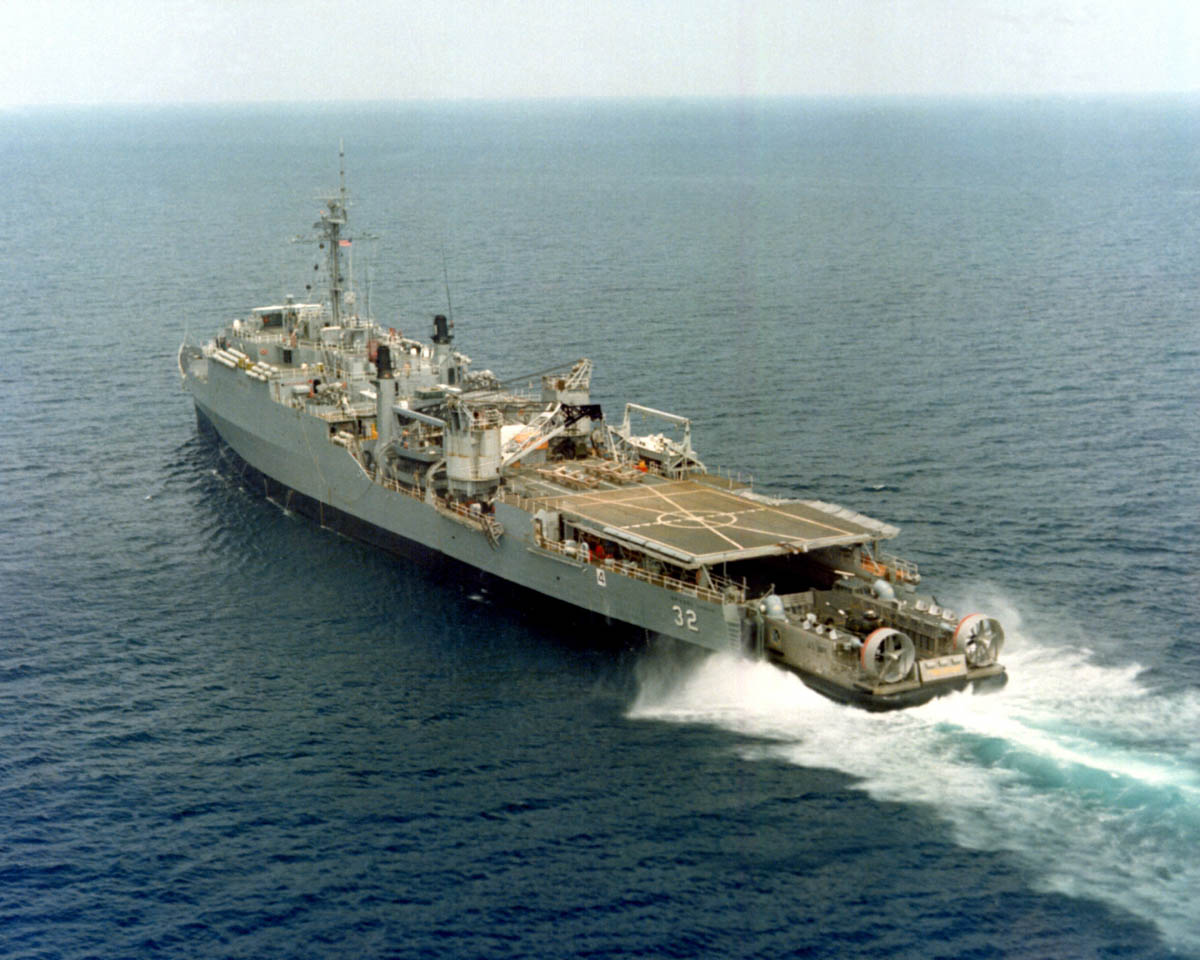
USS Spiegel Grove, Florida Keys
Few wrecks in the United States feel as imposing underwater as the USS Spiegel Grove. This massive 155 meter (510 foot) Navy dock landing ship sits upright off Key Largo, creating an enormous artificial reef structure that divers can explore across multiple dives.
What makes the Spiegel Grove special is its sheer scale and complexity. Corridors, stairwells, and massive deck structures create dramatic swim-throughs, while the ship’s towering superstructure rises high above the seabed. Because of its size, divers often explore different sections on each visit, from the propellers to the radar towers.
Over two decades underwater have transformed the ship into a thriving reef ecosystem. Large groupers patrol the decks, turtles rest among the structures, and schools of barracuda often hover above the wreck. Local dive operators have installed permanent mooring lines, making access straightforward and helping protect the structure from anchor damage.
Key dive details:
- Depth range: 27–40 meters (89–131 feet)
- Visibility: typically 20–30 meters (66–98 feet)
- Marine life: barracuda, angelfish, turtles, large groupers
- Best season: spring through early fall for calmer seas
Because of its depth and overhead environments, the wreck rewards divers with strong buoyancy control and careful dive planning.
USS Oriskany, Florida Panhandle
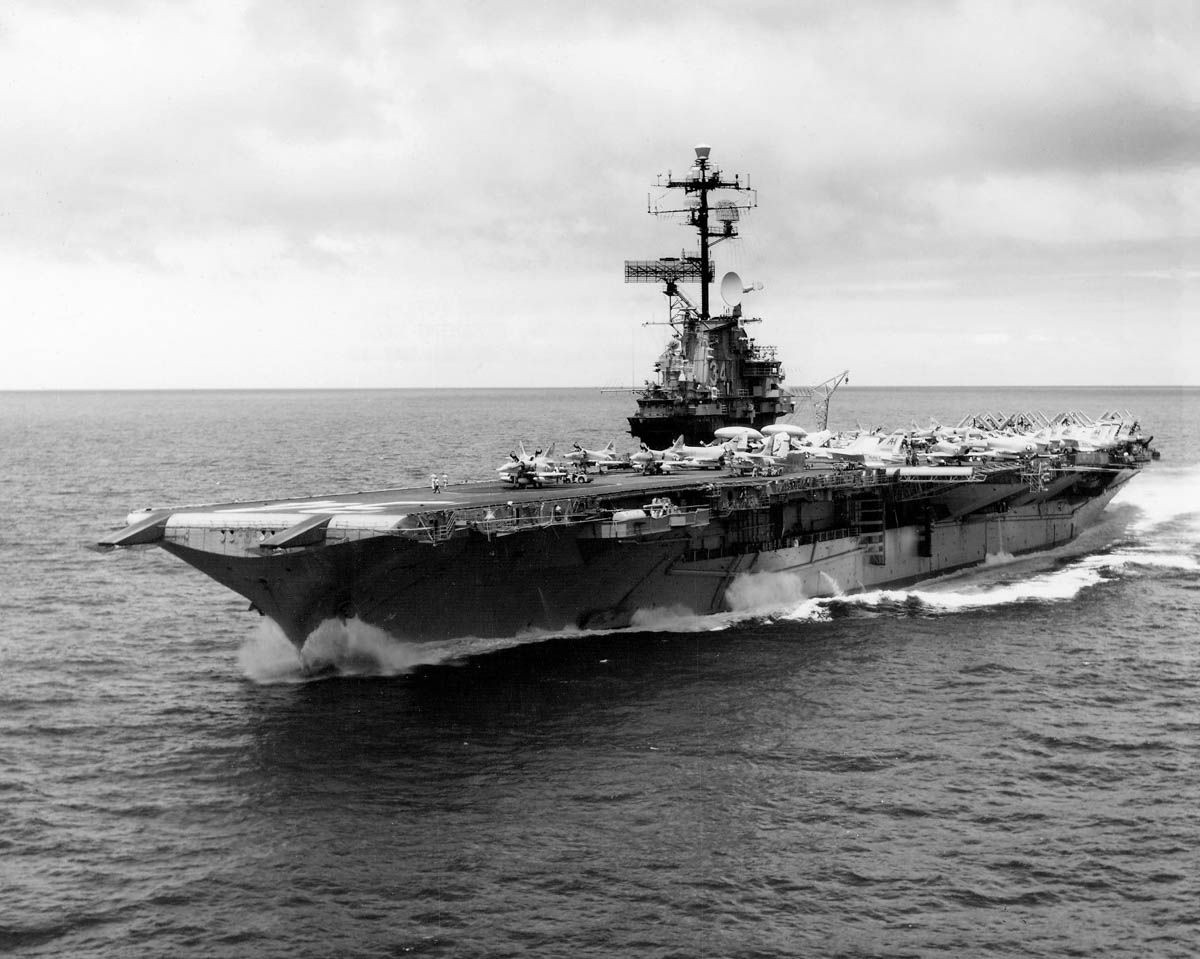
Known as the “Great Carrier Reef,” the USS Oriskany is one of the most ambitious artificial reef projects ever undertaken. This former aircraft carrier was intentionally sunk off Pensacola in 2006 and remains the largest artificial reef created from a single ship.
Descending onto the wreck feels like approaching a floating city frozen in time. The enormous flight deck stretches across the seafloor while the island superstructure rises dramatically toward the surface. Its scale alone makes the dive unforgettable.
The wreck attracts impressive pelagic life. Amberjack and barracuda circle the structure, while large schools of snapper gather along the carrier’s edges. Because the ship sits far offshore in blue water, dives often include encounters with larger roaming species.
Key dive details:
- Depth range: 41–67 meters (135–220 feet)
- Visibility: 15–30 meters (49–98 feet)
- Marine life: amberjack, snapper, barracuda, pelagic species
- Best season: late spring through summer
Due to its depth and offshore location, this wreck is primarily explored by experienced and technical divers comfortable with deep profiles and advanced gas planning.
San Diego Wreck Alley, California
Just a few kilometers off the coast of San Diego lies Wreck Alley, a remarkable cluster of artificial reefs that have turned this stretch of ocean into one of the most interesting wreck diving areas on the US West Coast.
The most famous site here is the HMCS Yukon, a Canadian destroyer escort deliberately sunk in 2000. Resting on its port side between sandy channels and kelp beds, the wreck has developed into a dramatic underwater landscape covered in anemones, sponges, and marine growth.
Cold Pacific water and seasonal kelp forests give the dive a completely different atmosphere compared to tropical wrecks. Schools of fish move through the structure while large kelp fronds sway above the wreck, creating a moody and atmospheric environment that photographers love.
Key dive details:
- Depth range: 20–32 meters (66–105 feet)
- Visibility: 10–20 meters (33–66 feet)
- Water temperature: 10–18°C (50–64°F) depending on season
- Marine life: kelp bass, anemones, schooling fish
Cold-water conditions mean divers must manage thicker exposure protection and maintain good buoyancy control around the wreck structure.
Thunder Bay National Marine Sanctuary, Michigan
While many divers associate wreck diving with the ocean, the Great Lakes offer something completely different. Thunder Bay National Marine Sanctuary in Lake Huron protects one of the largest concentrations of historic shipwrecks in the world.
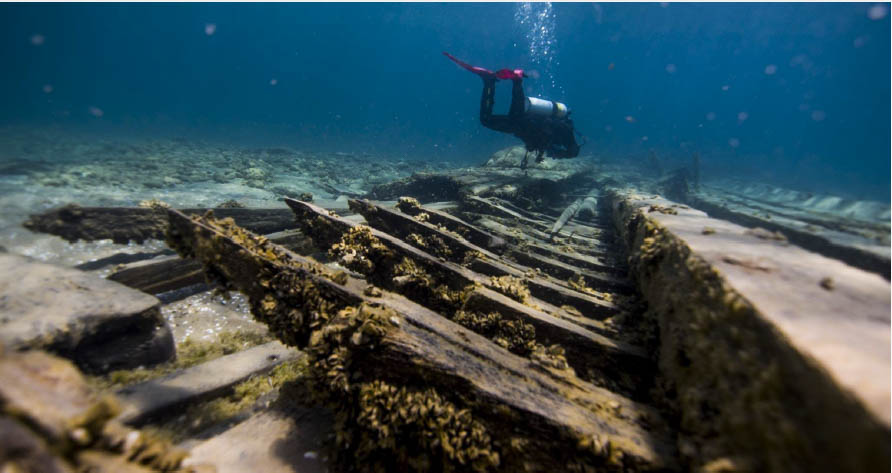
What makes these wrecks extraordinary is their preservation. In cold freshwater environments with limited biological growth, wooden vessels can remain remarkably intact for over a century. Masts, railings, and cargo holds are often still clearly visible, offering divers a rare glimpse into maritime history.
Some wrecks sit in surprisingly shallow water, allowing recreational divers to explore vessels that would otherwise require technical training in the ocean.
Key dive details:
- Depth range: 12–60 meters (39–197 feet) depending on wreck
- Visibility: often exceeding 30 meters (98 feet)
- Water temperature: typically 4–10°C (39–50°F)
- Wreck types: wooden schooners, freighters, early steel vessels
Because these sites are historically significant and fragile, precise buoyancy control is essential to prevent damage to the structures.
Cape Hatteras Wrecks, North Carolina
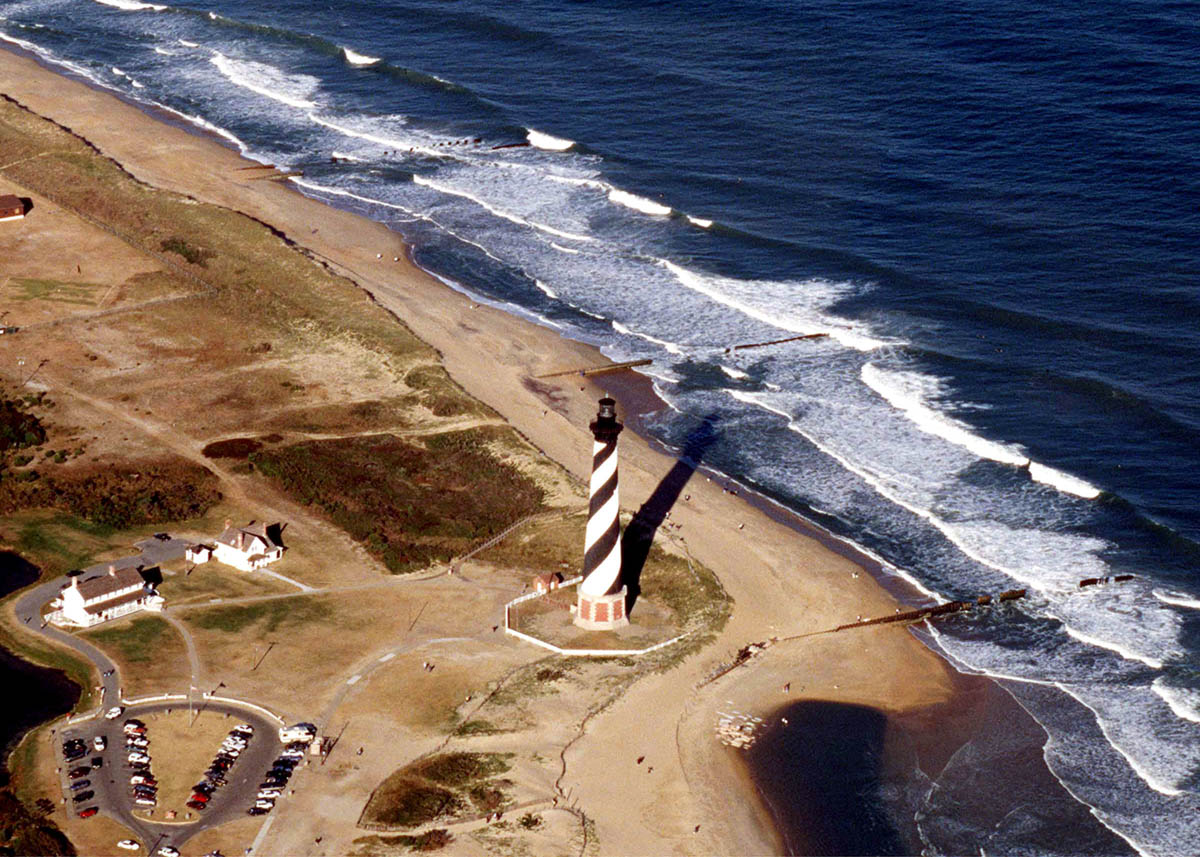
The waters off North Carolina’s Outer Banks are known as the Graveyard of the Atlantic, and for good reason. Shifting sandbars, strong currents, and wartime naval activity have left hundreds of wrecks scattered along the seafloor.
Many of the most famous sites date back to World War II, when German U-boats targeted shipping along the American coast. Today, divers can explore these wartime relics while encountering one of the region’s most iconic marine residents: sand tiger sharks.
During the warmer months, large numbers of these impressive sharks gather around wreck structures, cruising calmly through the metal frameworks.
Key dive details:
- Depth range: 20–40 meters (66–131 feet)
- Visibility: 10–25 meters (33–82 feet)
- Marine life: sand tiger sharks, barracuda, schooling fish
- Conditions: offshore currents and variable weather
The combination of history, large marine life, and dynamic ocean conditions makes Cape Hatteras one of the most exciting wreck diving regions in the country.
U.S. Navy photo by Mass Communication Specialist 2nd Class Nicholas S. Tenorio, Public domain, via Wikimedia Commons
USS Vandenberg, Florida Keys
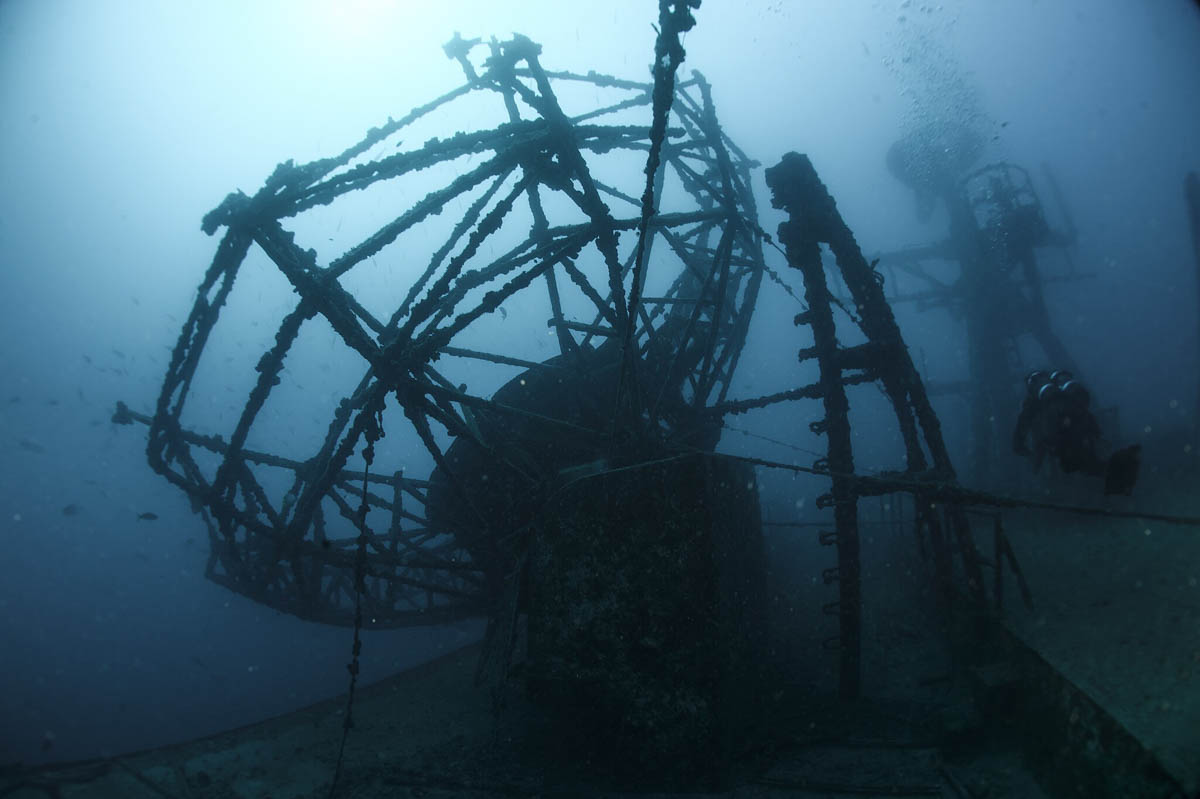
Unlike most wrecks in the Florida Keys, the USS Vandenberg carries an unusual history tied to the early space program. This former missile tracking ship once monitored rocket launches and spacecraft communications before being intentionally sunk near Key West in 2009.
Underwater, the ship feels incredibly dramatic. Its massive radar dishes, antenna towers, and communication arrays create striking silhouettes that rise high above the hull. These towering structures attract huge schools of fish, which often swirl around the upper decks in dense formations.
Because the ship was prepared carefully before sinking, divers can explore multiple levels of the wreck, including wide corridors and large open rooms that make navigation relatively straightforward compared to older shipwrecks.
Key dive details:
- Depth range: 21–43 meters (69–141 feet)
- Visibility: typically 25 meters (82 feet) or more
- Marine life: schooling fish, eagle rays, reef sharks
- Notable feature: towering radar and communications structures
The wreck’s height and size mean many dives focus on the upper decks, where sunlight illuminates the structure and marine life gathers in large numbers.
USS Duane, Florida Keys
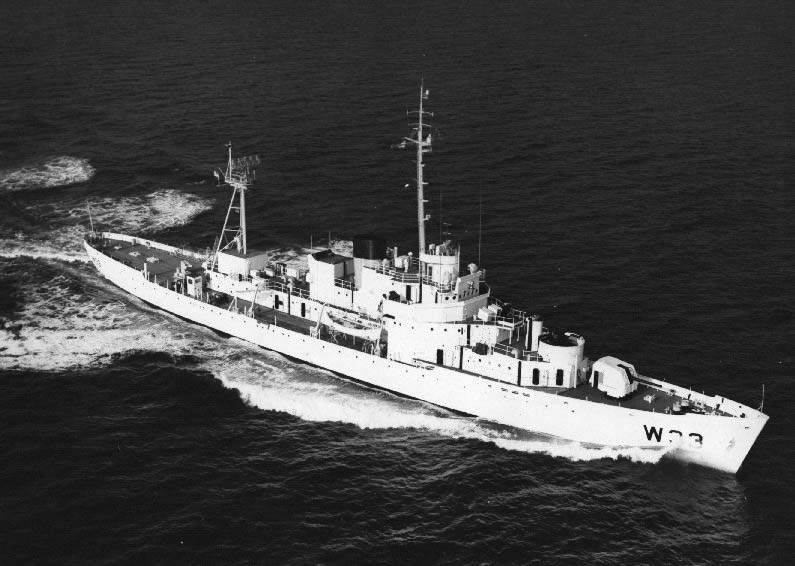
The USS Duane offers a completely different wreck diving experience from its larger neighbors. This former Coast Guard cutter has become one of the most vibrant living reefs in the Florida Keys, with marine life covering nearly every surface of the structure.
What makes the Duane memorable is the energy of the dive. Currents frequently sweep along the wreck, bringing in schools of fish, eagle rays, and cruising reef sharks. These conditions often turn the dive into a gentle drift along the ship’s length, giving divers the feeling of flying past a reef covered in sponges and coral growth.
Because the wreck sits upright, divers can explore its decks, bridge, and superstructure while watching marine life move through the current.
Key dive details:
- Depth range: 18–36 meters (59–118 feet)
- Visibility: often up to 30 meters (98 feet)
- Marine life: turtles, eagle rays, reef sharks, schooling fish
- Conditions: moderate to strong currents common
The combination of current-driven diving and abundant marine life makes the Duane one of the most dynamic wreck dives in the Keys.
Safety and Training: What to Know
Wreck diving offers incredible rewards, but it also introduces hazards such as sharp metal, entanglement risks, overhead environments, and depth-related challenges. Even when staying outside a wreck, divers must maintain excellent buoyancy and awareness to avoid accidental penetration or contact with fragile structures.
Specialties such as Wreck Diving, Perfect Buoyancy, and Deep Diving provide the skills you need to manage these risks responsibly. Learning proper finning techniques, line use, and emergency procedures also allows divers to explore wrecks with confidence while preserving these sites for future generations.
From tropical artificial reefs to cold freshwater time capsules, wreck diving in the USA offers something for every type of diver. As these sites continue to mature and attract marine life, 2026 is an excellent year to explore America’s underwater history.
Comments





_near_Midway_Atoll_1967.jpg)

.jpg)
_wreck_off_Key_West_in_January_2015.JPG)
![U.S. Coast Guard via NavSource [1].](https://commons.wikimedia.org/wiki/File:Duane33.jpg)