




Spring sits in a sweet spot in the global dive calendar. In many tropical regions it falls between weather systems, meaning calmer seas, improving visibility, and fewer crowds compared to peak winter and summer travel periods. For divers coming out of colder months, it is also the perfect time to slip back into warm water and rebuild comfort underwater.

What makes spring especially interesting is how seasonal changes influence marine life, currents, and visibility patterns. In some places, plankton blooms attract larger animals. In others, shifting winds calm the ocean and open dive sites that are harder to reach earlier in the year.
Below are ten tropical dive destinations where spring offers something particularly worthwhile, whether that is exceptional drift diving, big-animal encounters, or calmer conditions that make exploration easier.


Photo by Fernando Jorge on Unsplash
Cozumel, Mexico
Spring is one of the most enjoyable times of year to experience Cozumel’s famous drift diving, particularly along the southern reef system that includes Palancar Reef and Columbia Reef. During winter, strong northern winds known locally as nortes can create choppy surface conditions that occasionally cancel dives. By spring, those winds typically ease, making boat rides smoother and dive conditions more predictable.
The reefs themselves sit along the edge of a dramatic wall that drops into deep blue water. Currents in spring often run at a steady, manageable pace, allowing divers to enjoy long, relaxed multilevel drifts rather than faster rides sometimes experienced later in the year. This makes it an ideal season for underwater photographers who want time to frame shots of sponge-covered coral formations, turtles, and schooling grunts.
Water temperatures generally sit around 26 to 27°C (79 to 81°F), and visibility frequently exceeds 30 meters (98 feet). These conditions make Cozumel a welcoming destination for divers experiencing their first drift dives while still offering enough depth and structure to keep experienced divers engaged.
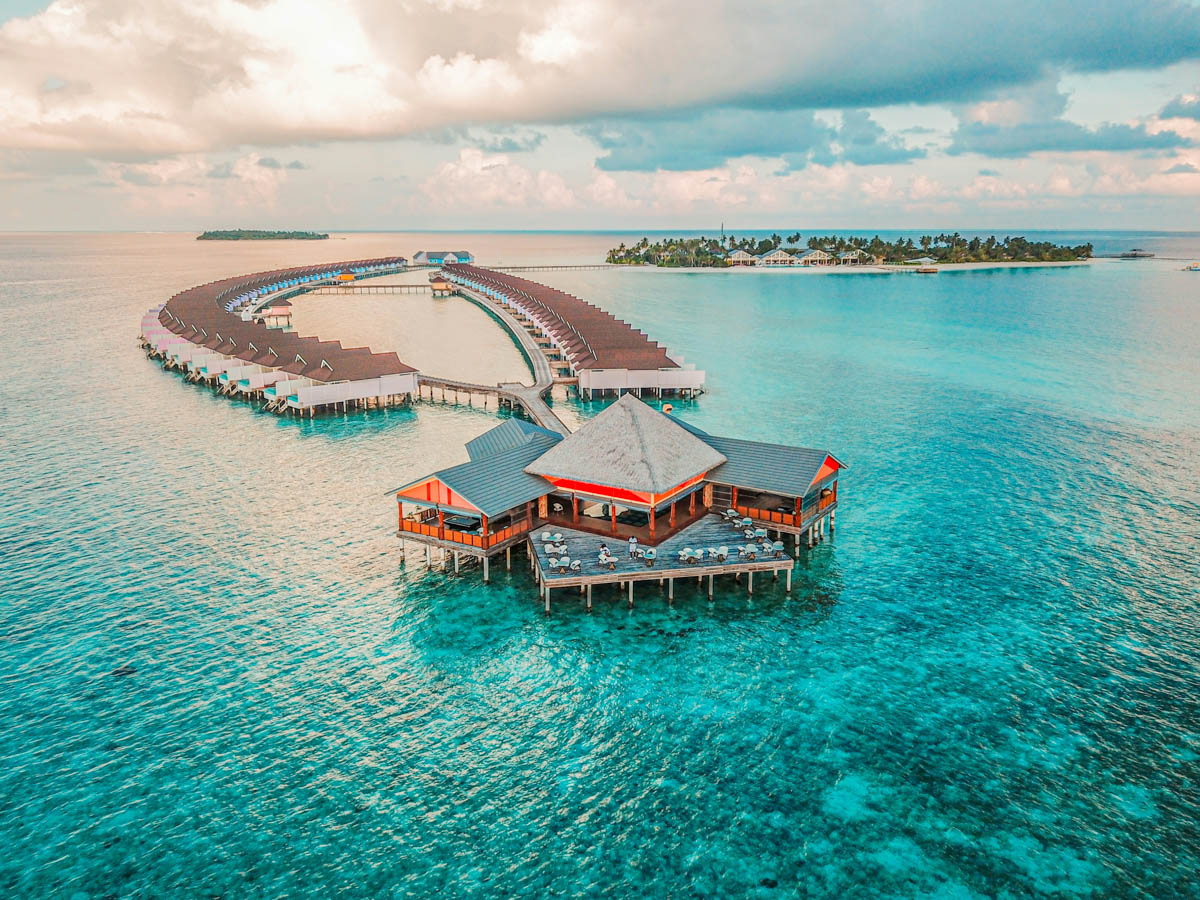
The Maldives
Spring marks an interesting transitional period in the Maldives as the northeast monsoon begins to shift toward the southwest monsoon. This seasonal change influences where plankton gathers, which in turn affects where larger animals are most frequently seen.
During this period, eastern atolls such as Ari Atoll often see increased plankton concentrations, which can attract manta rays to cleaning stations and feeding areas. Meanwhile, South Ari Atoll remains one of the most reliable places in the world to encounter whale sharks year-round, with many sightings occurring during shallow reef dives or while snorkeling between dives.
Visibility in spring typically ranges between 20 and 30 meters (66 to 98 feet) depending on plankton levels. While plankton can reduce visibility slightly, it is also the reason larger animals gather here. Channel dives, known locally as kandus, often feature strong currents that bring in grey reef sharks, eagle rays, and large schools of fish, making the Maldives particularly rewarding for divers comfortable with dynamic environments.
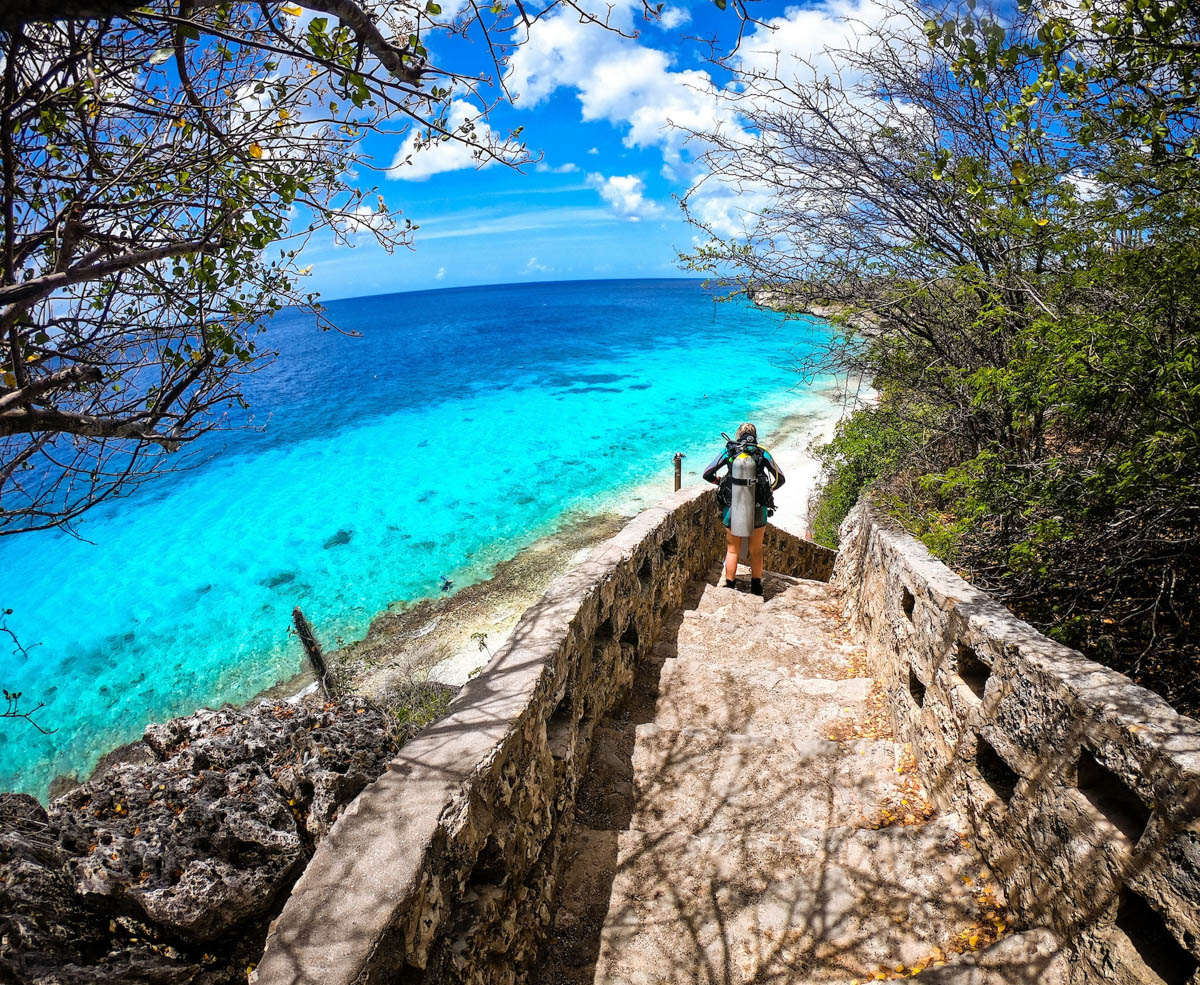
Photo by Johnny Africa on Unsplash
Bonaire
Bonaire’s reputation for exceptional shore diving becomes even more appealing in spring. The island’s steady trade winds, which can create surface chop during other parts of the year, often calm during this period. That means easier water entries at northern sites such as Karpata and 1000 Steps, both known for healthy coral reefs and excellent fish life.
Because the island offers more than sixty marked shore dive sites, calmer seas make planning multiple dives per day far less physically demanding. Divers can comfortably enter and exit the water several times without battling waves or surge.
Spring conditions also suit macro photography particularly well. Calm water and minimal surge allow divers to slow down and search carefully among coral heads and sponges for creatures such as frogfish, seahorses, and colorful nudibranchs. Water temperatures usually remain around 26 to 27°C (79 to 81°F) with visibility commonly exceeding 25 meters (82 feet).
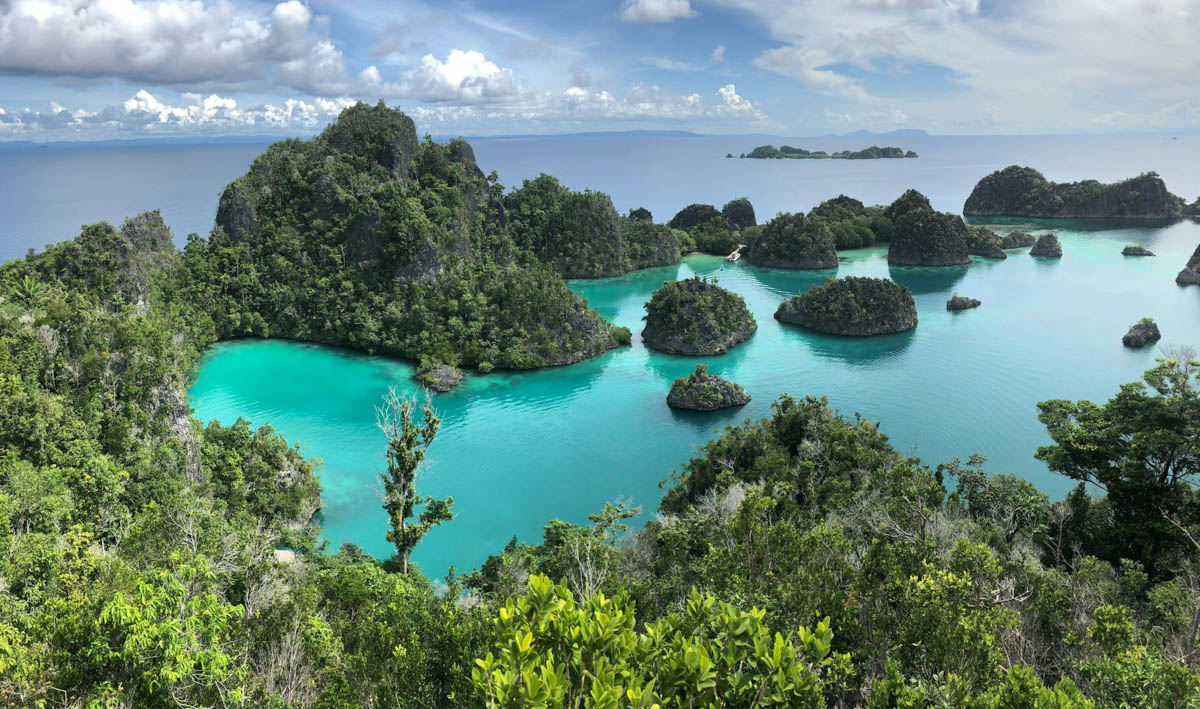
Photo by Bart ter Haar on Unsplash
Raja Ampat, Indonesia
Raja Ampat is famous for its extraordinary biodiversity, but spring offers a slightly different experience than the peak season. While the region’s busiest liveaboard months fall later in the year, spring can bring calmer surface conditions in areas like Dampier Strait, where many of the region’s most iconic dive sites are located.
Sites such as Cape Kri and Blue Magic remain spectacular year-round thanks to powerful nutrient-rich currents that support enormous schools of fish. In spring, divers often find fewer boats visiting these sites, which means less crowded reefs and more relaxed dives.
Visibility can range from 15 to 25 meters (49 to 82 feet) depending on plankton levels. Although it may not always match the clearest months, the trade-off is vibrant coral growth, dense fish biomass, and an underwater landscape that feels alive with movement.
Water temperatures remain warm at 27 to 29°C (81 to 84°F), and the sheer diversity of marine life means every dive offers something different.

Egypt
Spring is an excellent time to explore offshore dive routes in the Egyptian Red Sea, particularly famous sites such as Elphinstone Reef, Daedalus Reef, and the Brothers Islands. As the water begins to warm, pelagic activity often increases, bringing encounters with oceanic whitetip sharks, hammerheads, and silky sharks.
Early in the season, northern Red Sea sites including SS Thistlegorm and the wrecks of Abu Nuhas typically experience calmer seas, making them ideal for divers interested in historic wreck diving. As spring progresses, conditions further south often improve, opening access to more exposed offshore reefs.
Water temperatures usually range between 24 and 26°C (75 to 79°F), while visibility often reaches 30 meters (98 feet) or more. The variety of scuba diving available in the Red Sea, from wrecks and coral reefs to deep offshore pinnacles, makes it one of the most versatile destinations for spring dive travel.

Photo by Hiroko Yoshii on Unsplash
Palau
Spring falls within Palau’s dry season, which often brings calmer seas and reliable currents, particularly around famous channel dives like Blue Corner and German Channel. These sites are known for strong water movement that attracts impressive numbers of grey reef sharks, barracuda, and large schools of jackfish.
At Blue Corner, divers frequently hook into the reef using a reef hook to watch the marine life spectacle unfold in front of them. The currents act like an underwater conveyor belt, delivering nutrients and attracting predators.
Spring also tends to provide favorable conditions for visiting Jellyfish Lake, where divers and snorkelers can swim among millions of harmless golden jellyfish in one of the region’s most unusual ecosystems. Not only that, but in March and April 2026, Palau will be the site of massive Bumphead Parrotfish spawning aggregations around the New Moon!
Water temperatures hover around 28°C (82°F), and visibility often reaches 25 to 35 meters (82 to 115 feet), making Palau a thrilling destination for divers who enjoy energetic dive environments.

Fiji
Spring in Fiji sits between the wetter months and the peak winter dive season, which can create interesting underwater conditions. Nutrient-rich water flowing through channels such as the Somosomo Strait and Bligh Water helps feed the vibrant soft corals that make Fiji famous.
These currents act almost like underwater tides, periodically bathing the reefs in plankton and nutrients. When the current runs, soft corals expand into brilliant reds, purples, and oranges, creating one of the most colorful reef environments in the world.
The region’s dive sites range from gentle coral gardens to more advanced drift dives. Water temperatures remain comfortable at around 27°C (81°F), with visibility typically between 20 and 30 meters (66 to 98 feet).
Utila, Honduras
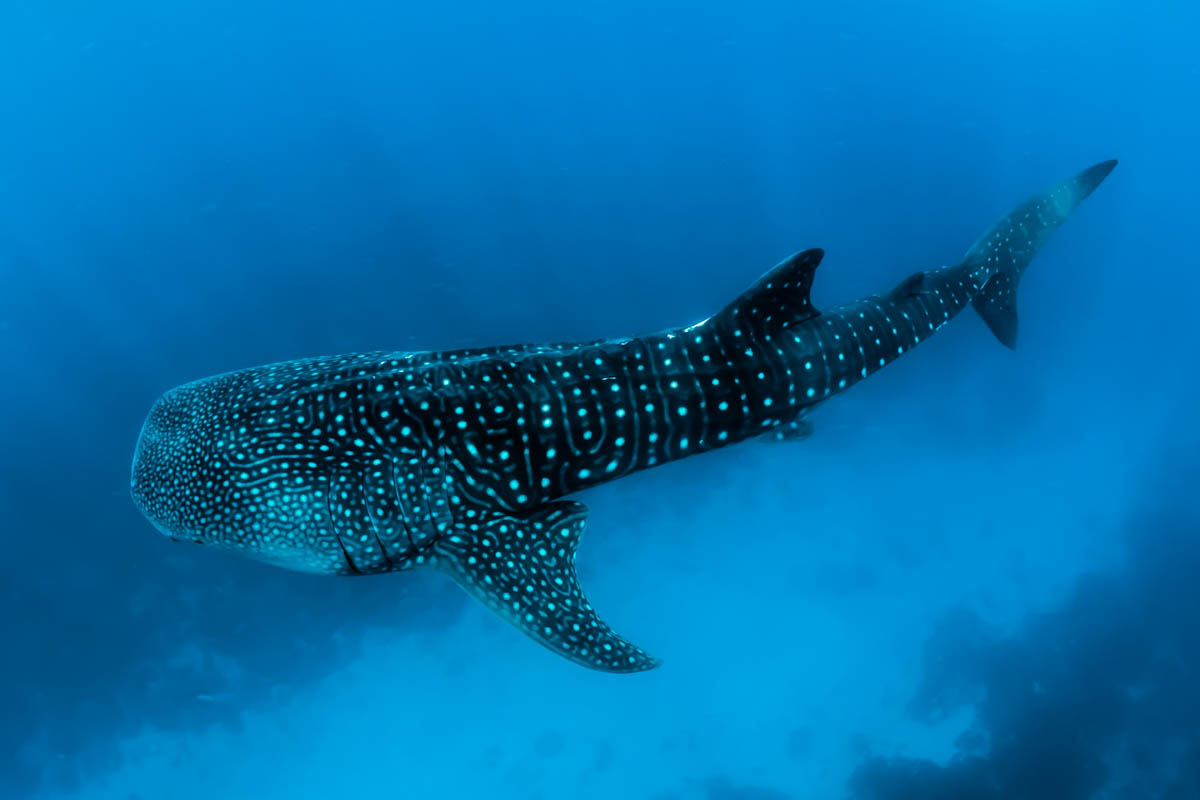
Spring is one of the most exciting times to visit Utila, thanks to increased whale shark sightings, particularly between March and April. During this period, plankton blooms in the waters around the island attract these enormous yet gentle animals.
Encounters often happen opportunistically between dives when guides spot a whale shark at the surface, and boats reposition quickly so divers can enter the water. While sightings are never guaranteed, spring consistently ranks among the most reliable times of year.
Reef dives around Utila remain relaxed and accessible, with sites featuring healthy coral, turtles, and large schools of fish. Water temperatures average 27°C (81°F), and visibility generally reaches 20 to 30 meters (66 to 98 feet).
The Seychelles
Spring, especially April and May, is highly valued in the Seychelles because it falls between the northwest and southeast monsoon seasons. During this transitional period, winds drop significantly, creating calm seas and improved underwater visibility.
This makes it easier to explore the dramatic granite formations surrounding Mahé, Praslin, and La Digue, where boulder formations create tunnels, swim-throughs, and coral-covered walls.
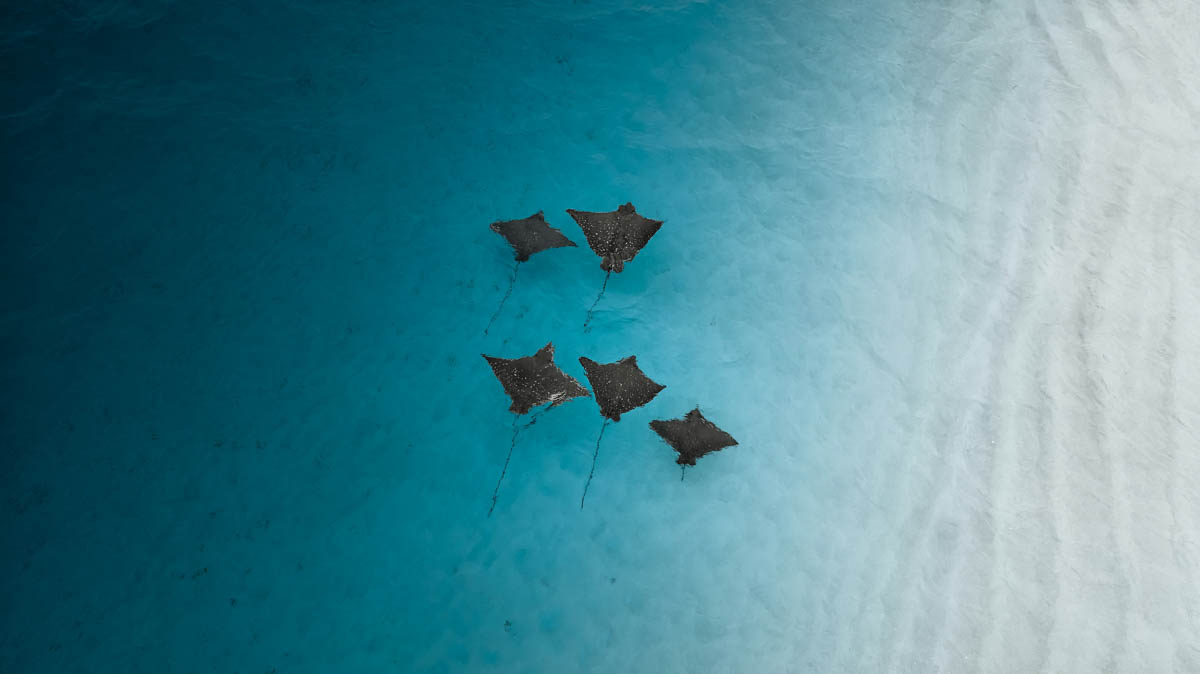
Green turtles and hawksbill turtles are common sights on many dives, and eagle rays are frequently spotted cruising along sandy channels between reefs. Water temperatures usually sit around 27 to 28°C (81 to 82°F) with visibility improving as seasonal winds settle.
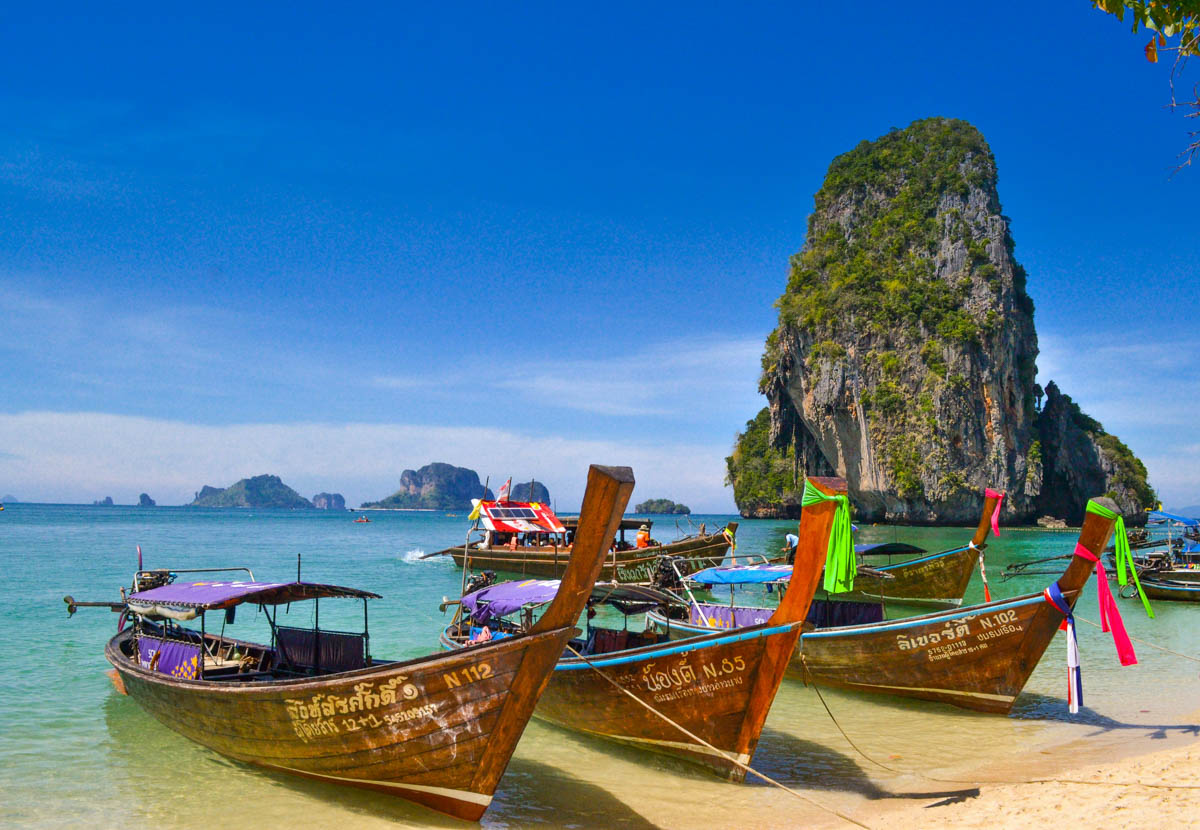
Photo by Sumit Chinchane on Unsplash
Thailand
Spring is one of the final opportunities each year to dive Thailand’s Andaman Sea dive sites before many marine parks close for the monsoon season. This makes it an excellent time to explore iconic locations such as the Similan Islands, Koh Lanta, and Richelieu Rock.
Richelieu Rock, in particular, is known for attracting large pelagic species including whale sharks and manta rays. The site’s nutrient-rich waters also support dense schools of fish and vibrant soft corals.
While the Gulf of Thailand remains diveable year-round, the Andaman Sea offers some of the country’s most dramatic underwater landscapes and wildlife encounters. Water temperatures typically range between 28 and 29°C (82 to 84°F) with visibility often reaching 30 meters (98 feet) in good conditions.
Spring offers a remarkable mix of calm seas, active marine life, and quieter dive sites around the world. For divers eager to return to warm water and memorable underwater encounters, it is one of the most rewarding seasons to plan a tropical dive trip.
Comments