




For over 30 years one of those shipwrecks the Hydrus, was the one ship that eluded David Trotter, a 75-year-old shipwreck hunter. It had always been on his bucket list of wrecks to find and explore. In July of 2015 Trotter was able to add another shipwreck to over 100 that he’s discovered over the years.
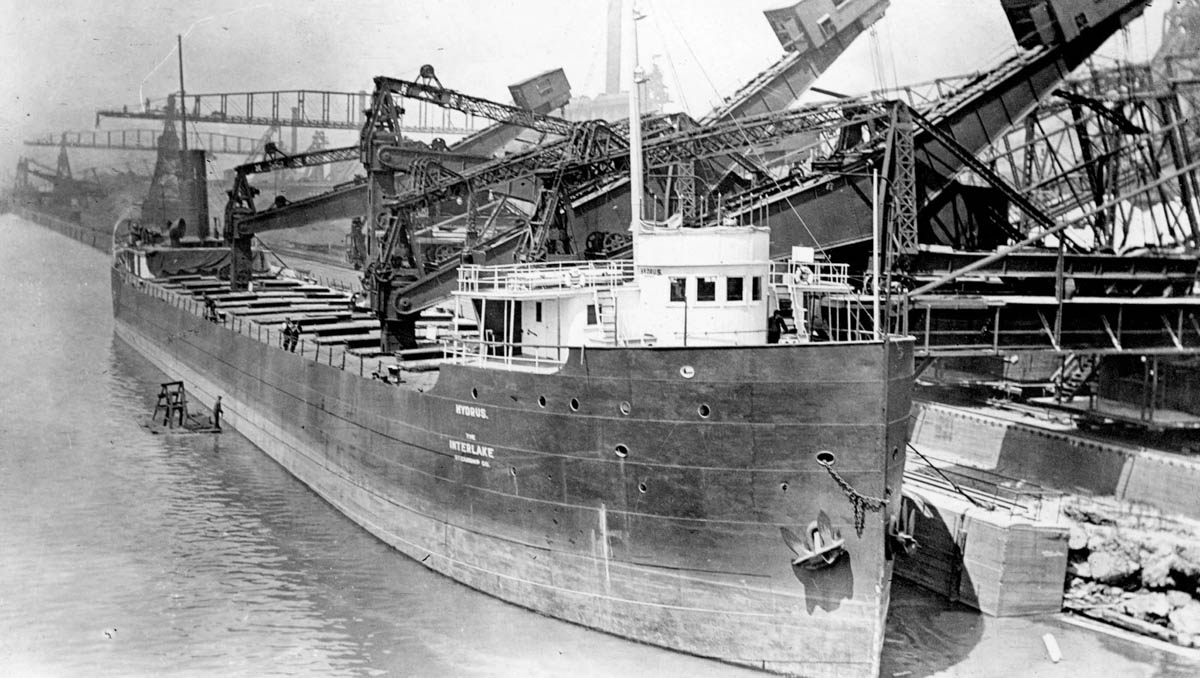
The sinking of the SS Hydrus remains one of the most chilling chapters of the Great Lakes Storm of 1913, a disaster so fierce it earned the nickname the “White Hurricane.” Originally built in 1903 as the R.E. Schuck, the freighter was heavily laden with iron ore when it steamed directly into the heart of the tempest on Lake Huron. Battered by 90 mph winds and monstrous 35-foot waves, the vessel and its entire 24-man crew were swallowed by the lake. The horror of their final moments was realized days later when a lone lifeboat washed ashore at Lexington, Michigan, containing the bodies of five crew members frozen solid—a grim testament to a struggle for survival that was ultimately lost to the sub-zero temperatures.
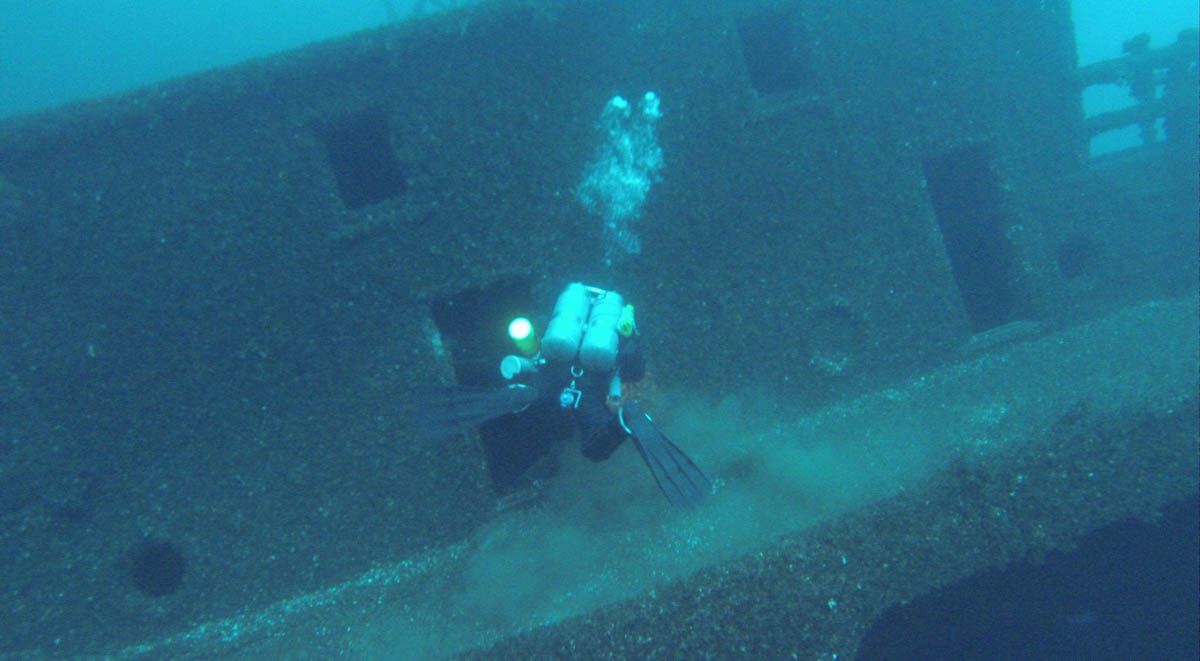
The Hydrus did not vanish alone; its sister ship, the SS Argus, was lost in the same relentless surge. While the Argus was discovered years earlier, it wasn’t until 2015 that divers finally located the Hydrus. Lying in the cold, dark depths of Lake Huron, the ship was found sitting remarkably upright with its cargo of iron ore still tucked inside its hold. After more than a century underwater, the vessel remains eerily preserved, looking very much as it did the moment it left the surface, serving as a silent, submerged monument to the deadliest storm in the history of the Great Lakes.
Launched in 1903 under the name R.E. Schuck, the SS Hydrus was a steel-bodied bulk carrier designed for transport across the American Great Lakes. During the infamous Great Lakes Storm of 1913, the vessel was navigating southward on Lake Huron, trailing behind the SS James Carruthers. Weighted down by a heavy shipment of iron ore, the Hydrus was ultimately overwhelmed by the historic tempest alongside the Carruthers, leading to the total loss of the ship and its crew.
Tragedy struck around November 8, 1913, when the SS Hydrus succumbed to the “White Hurricane” while attempting to reach the St. Clair River. The vessel was overwhelmed by a lethal combination of 90 mph wind gusts and 35-foot swells, claiming the lives of all twenty-four men on board. The brutality of the storm was underscored when a lifeboat reached the Canadian shoreline carrying five sailors who had frozen to death. This catastrophic weather event also claimed the SS James Carruthers and the Hydrus’s sister vessel, the SS Argus.

For over a century, the ship remained missing until a team led by David Trotter discovered the site in the summer of 2015. Resting at a depth of more than 160 feet, the ship remains largely upright and remarkably preserved, though the hull shows significant damage and the bow has been wrenched to a 45-degree angle. Despite being covered in a thick layer of invasive zebra mussels, the wreck still holds its original iron ore cargo.
Within the intact pilothouse, the ship’s telegraph and steering wheel remain in place, frozen in time at the bottom of Lake Huron.
YouTube Video
Comments