



Based on the bestselling phenomenon by Shelby Van Pelt comes the story of Tova, a widow who forms an unlikely friendship with the curmudgeonly Marcellus — a giant pacific octopus that lives at the aquarium where she works. Unbeknownst to Tova, Marcellus is on a mission to solve a mystery that will heal the widow’s heart and lead her to a life-changing discovery.

Bringing a Giant Pacific octopus like Marcellus to life is a massive technical challenge because their movement is so fluid and non-linear. Using a “hybrid” approach—blending a real animal (Agnetha) with a digital double—is the gold standard for achieving that level of realism.
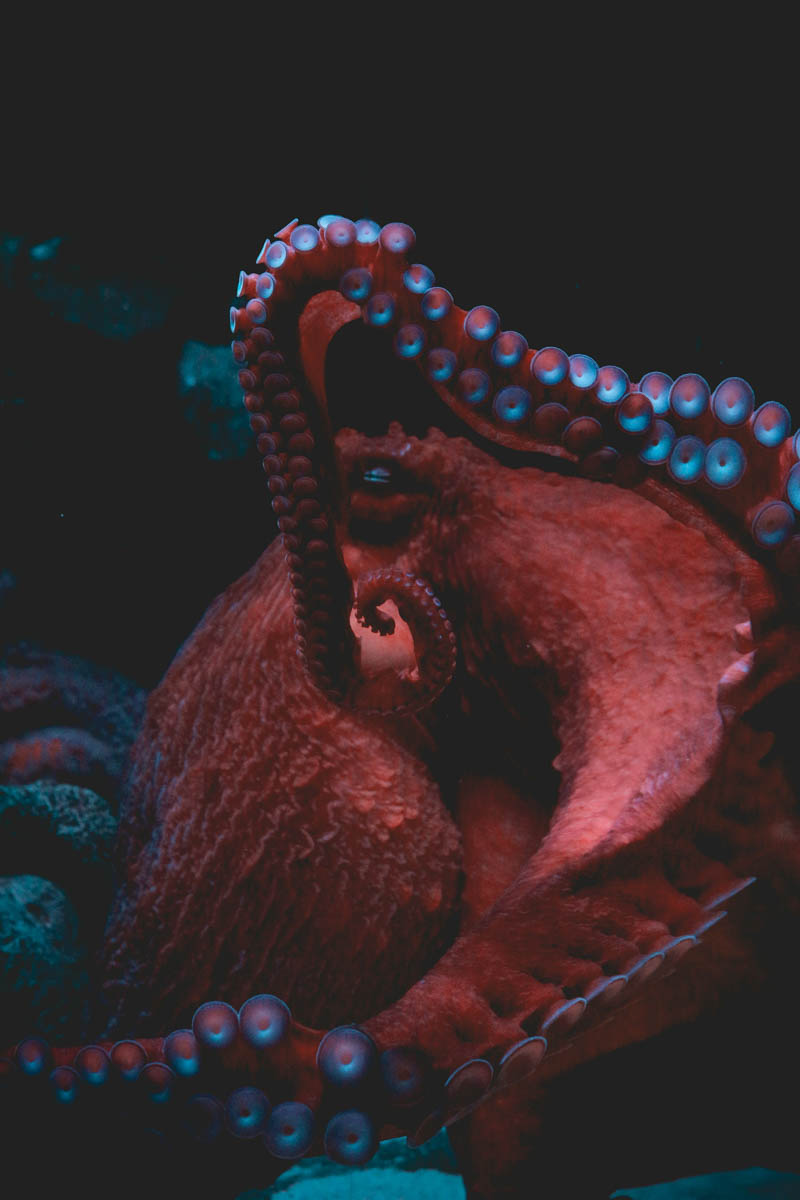
Photo by Compagnons on Unsplash
The Making of Marcellus:
The production team essentially used a “best of both worlds” strategy to ensure Marcellus felt like a sentient character rather than just a special effect.

- The Reference: By filming Agnetha at the Vancouver Aquarium, the VFX team captured the authentic texture of octopus skin, the way their chromatophores (color-changing cells) pulse, and how their weight shifts underwater.
- The CGI Double: An octopus has no bones, meaning its shape is constantly changing. CGI allows animators to execute “impossible” shots—like Marcellus interacting specifically with Tova or navigating tight spaces—that a real octopus couldn’t be trained to do.
- The Soul: Alfred Molina’s voice acting is the final layer. His task was to provide a voice that matched the creature’s high intelligence and slightly grumpy, observational wit without making him sound like a cartoon.
Available on Netflix May 8, 2026
Comments