

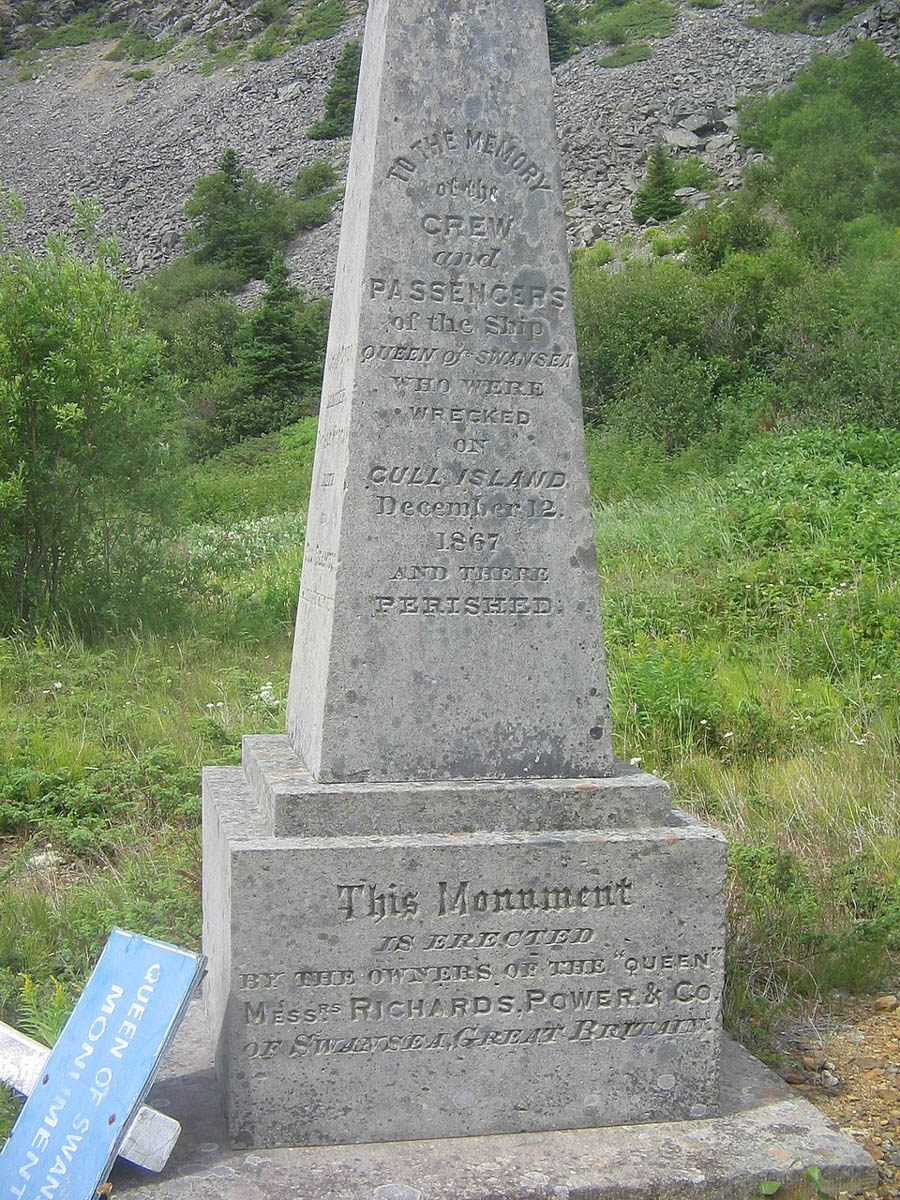
Just days before Christmas in 1867, the ship Queen of Swansea was lost to the sea. Newfoundland’s past is filled with maritime tragedy, yet few disasters inflicted suffering on such a profound scale.
Death alone would have marked this as a sorrowful chapter. Instead, fate dealt something far crueler. The crew and passengers survived the wreck, only to find themselves stranded on a bleak, frozen island, where staying alive required choices almost too terrible to imagine.
On December 6, 1867, the Queen of Swansea sailed out of St. John’s carrying mail and passengers bound for the mining community of Tilt Cove in Notre Dame Bay. As darkness set in, a powerful storm swept in, pushing the small ship far off course. After nearly a week of relentless struggle against the weather, the vessel was finally driven ashore in a narrow ravine at Gull Island, near Cape St. John, during a blinding snowstorm.
A line was fastened between the ship and the land, allowing all fifteen people on board—including two women—to reach shore safely. Three sailors and one male passenger then went back to the ship to gather supplies. While they were aboard, the rope snapped, and a massive wave tore the vessel free, carrying it back into the sea. Neither the men nor the Queen of Swansea were ever seen again.
Dr. Felix Dowsley, recently assigned to the medical staff at Tilt Cove, chronicled the slow collapse of hope in letters to his wife. With each passing day, survival felt less certain. Writing on December 17, he described how they escaped the wreck with nothing but the clothes on their backs—not a crumb of food, not a drop of water. Five days had already passed in this state of deprivation, trapped on an island that offered no mercy. There was no fresh water, no shelter, no fuel for fire. The land itself seemed lifeless and hostile. At night, they lay upon frozen stone, wrapped only in a filthy scrap of canvas, staring into the cold darkness as the reality of their fate settled in.
The following April, Captain Mark Rowsell and his crew found themselves stalled by calm seas near Gull Island while making their return from the seal hunt. Two of the men went ashore in a small boat, hoping to shoot birds for food. As they searched the island, they came upon a grim discovery: the scattered remains of the shipwreck survivors. Among them lay a notebook, its pages preserving the letters Dr. Dowsley had written during their final days.
Among Newfoundland’s long history of maritime loss, this wreck stands apart, forever linked to a Christmas marked by despair rather than celebration.
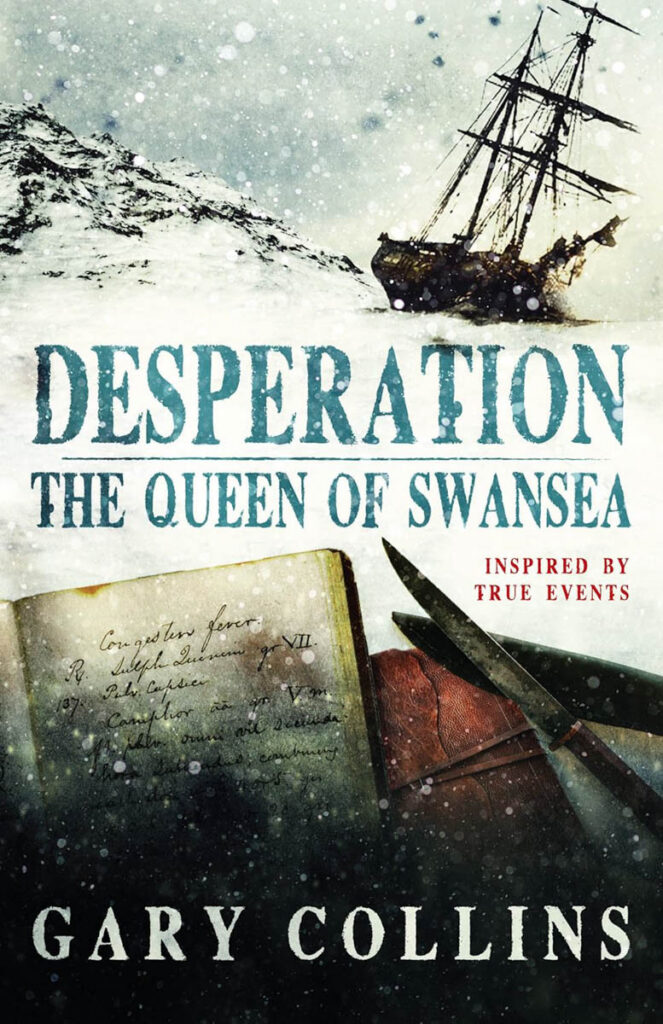
Desperation: The Queen of Swansea