



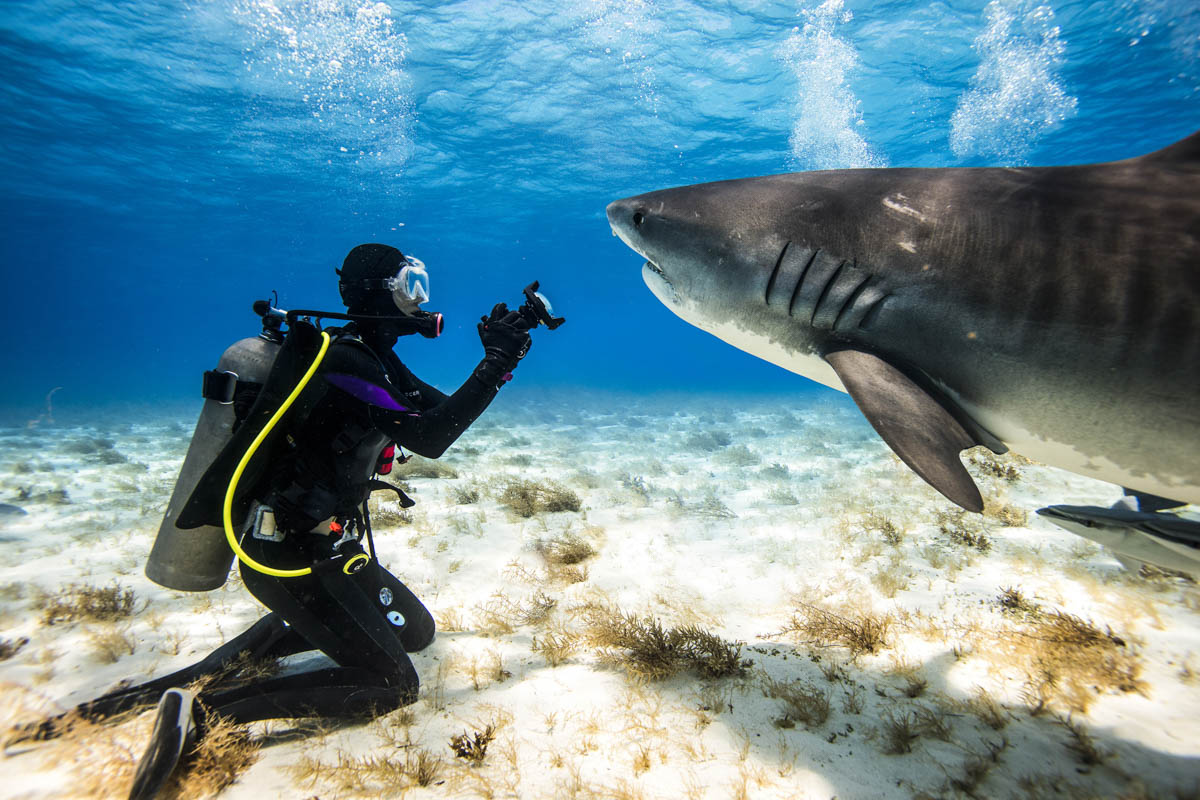

The world’s largest diving organisation, PADI Worldwide, has unveiled an ambitious new global conservation initiative aimed at protecting some of the ocean’s most vulnerable species. In partnership with Swiss luxury watchmaker Blancpain, the organisation has launched the Global Shark and Ray Census alongside a new PADI Shark and Ray Conservation Specialty Course, marking a significant expansion of diver-led citizen science.
The announcement, made as part of PADI’s 60th anniversary celebrations, introduces two interconnected initiatives designed to mobilise divers worldwide to monitor shark and ray populations while contributing directly to conservation efforts.
A Timely Response to Growing Threats
With nearly one-third of all shark and ray species now facing an increased risk of extinction due to overfishing, habitat loss, and unsustainable trade, the urgency behind the initiative is clear. The new programmes aim to provide divers with practical tools to help address these threats through data collection, education, and responsible interaction with marine life.
Blancpain, through its Blancpain Ocean Commitment, continues to play a central role in supporting PADI’s conservation mission. The company is both a founding partner of the Global Shark and Ray Census and an official partner of the PADI Blueprint for Ocean Action.
Marc A. Hayek, President and CEO of Blancpain, emphasised the importance of the collaboration, highlighting the shared goal of advancing marine protection through science, education, and global participation.
Turning Education Into Action
At the core of the launch is the new PADI Shark and Ray Conservation Specialty Course, designed to transform diver awareness into measurable conservation impact.
The course covers the ecological importance of sharks and rays, the threats they face, and the conservation measures needed to protect them. It also focuses on responsible tourism practices and safe, respectful underwater interactions. Crucially, it introduces divers to citizen science methodologies, enabling them to collect and report data that can influence conservation policy and habitat protection.
The programme is accessible to scuba divers, freedivers, and even mermaids, combining digital learning with a practical training dive focused on accurate data recording. A non-diver pathway has also been introduced, allowing participation through shoreline and boat-based observations, broadening the initiative’s reach beyond the diving community.
Kristin Valette Wirth, Global Brand and Membership Officer at PADI Worldwide, described the initiative as a way to unite divers and ocean advocates globally, providing meaningful opportunities to protect marine species.
A Global Census Powered by Divers
The Global Shark and Ray Census represents one of the most ambitious citizen science efforts ever undertaken in recreational diving. Developed in collaboration with James Cook University and supported by Blancpain, the census builds on PADI’s established diver-led data collection frameworks.
Divers will log sightings across Important Shark and Ray Areas (ISRAs) and Adopt the Blue sites, generating standardised data that can:
- Identify priority species and habitats
- Reveal population trends over time
- Support marine protected area development
- Inform conservation policy
- Promote responsible tourism practices
Data will be submitted through the PADI Conservation Action Portal within the PADI AWARE App. Divers will record key information such as location, environmental conditions, species identification, and observed behaviour.
To protect vulnerable species from exploitation, detailed survey data will remain private, while aggregated insights will be displayed on a global impact map.
Building on a Proven Citizen Science Legacy
The new census builds on more than a decade of success from Dive Against Debris®, PADI’s flagship citizen science programme, which has already generated over 2.6 million data points on marine pollution. That dataset has played a role in shaping national policies, supporting legislation, and strengthening ocean advocacy worldwide.
PADI’s citizen science portfolio now includes three key initiatives:
- Dive Against Debris® for marine pollution monitoring
- AWARE Biodiversity Survey for ecosystem observation
- Global Shark and Ray Census for species tracking
The AWARE Biodiversity Survey, another recent addition, enables divers to document broader ocean health indicators, helping scientists detect ecosystem changes and identify conservation priorities.
A 60-Year Commitment to Ocean Protection
Shark and ray conservation has been central to PADI’s mission for decades, particularly through the work of the PADI AWARE Foundation since its launch in 1992. Over the years, these efforts have contributed to protection measures for more than 104 species through engagement with international frameworks such as CITES, the Convention on Migratory Species, and regional fisheries organisations.
As PADI marks its 60th anniversary, the organisation is positioning this latest initiative as a continuation of its long-standing commitment to ocean protection, powered by a global community of divers.
Valette Wirth summed up the vision behind the initiative, noting that when people feel connected to the ocean, they are more likely to protect it. Every data point collected, whether from debris surveys, biodiversity observations, or shark and ray sightings, contributes to a growing body of knowledge that supports better decision-making for the future of marine ecosystems.
Comments