


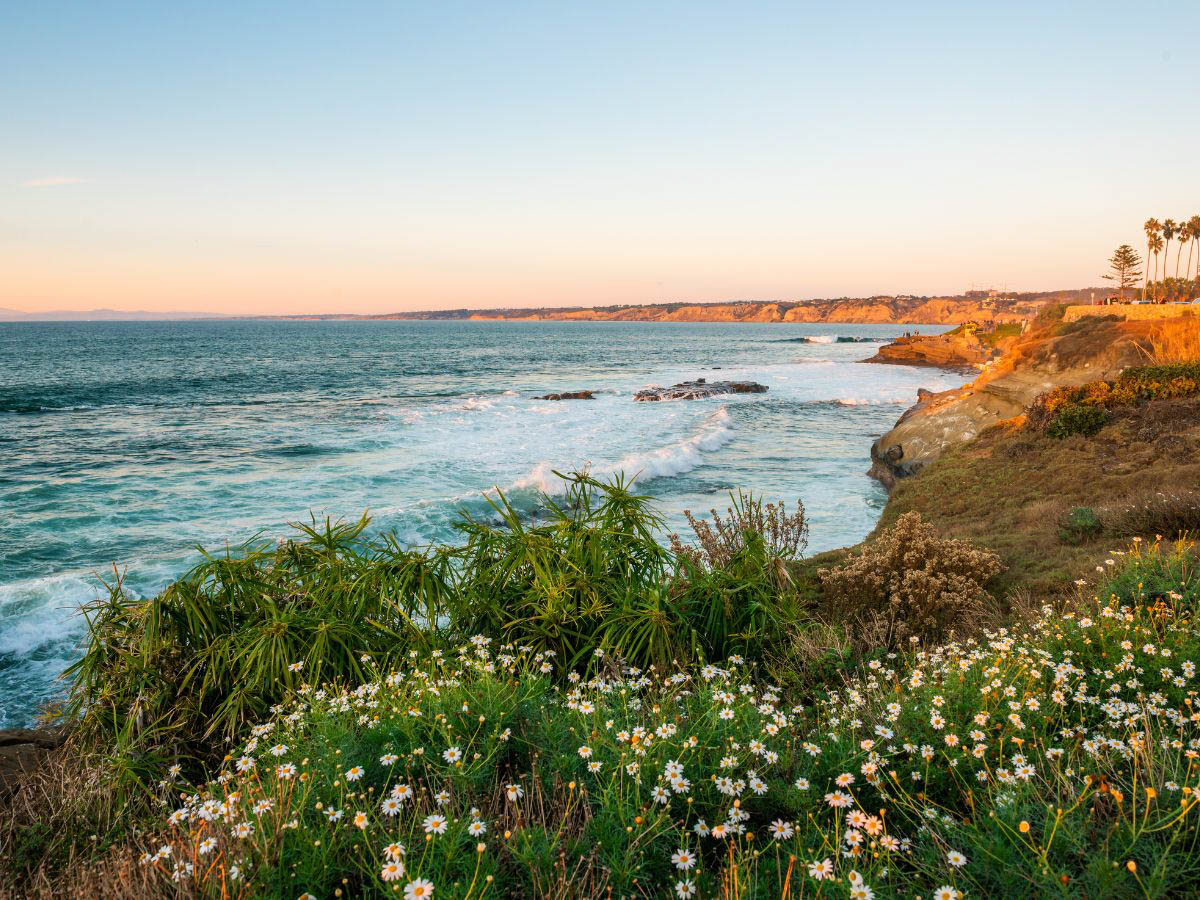

California’s beaches are a treasured part of its landscape, renowned for their beauty, biodiversity, and the recreational opportunities they offer. The unique ways California keeps its beaches healthy ensure these coastal gems remain vital hubs for marine life and human exploration. From proactive conservation efforts to innovative community engagement, the state stands as a leader in preserving its shores. Scuba divers and marine life enthusiasts will find these actions benefit not only the beaches themselves but the ecosystems that thrive above and below the waves.
Community-Driven Beach Cleanups
Local communities play a critical role in maintaining the cleanliness and health of California’s beaches. Regular beach cleanups are organized by both grassroots organizations and statewide initiatives, bringing residents and visitors together to remove debris. These events are more than litter removal efforts; they foster a sense of collective responsibility for coastal environments. People of all ages participate, spreading awareness of the impact small actions can have on the larger marine ecosystem.
Cleanups aren’t just about trash on the sand. Volunteers are often trained to recognize and safely dispose of plastic or harmful waste that poses a direct risk to marine life. Additionally, the data collected during these cleanups supports statewide policies aimed at reducing sources of pollution. This hands-on approach exemplifies how small, consistent efforts keep beaches healthier for everyone.
Innovative Coastal Management Strategies
California has embraced forward-thinking techniques to address rising sea levels and shoreline erosion. One notable method is the use of “living shorelines.” These projects incorporate natural elements, like plants, reefs, and sediment, to reduce coastal erosion and strengthen marine habitats. These shoreline restorations absorb wave energy, providing protection for both the beach and the wildlife that depends on it.
State agencies and researchers collaborate to implement adaptive management plans. Actions such as relocating infrastructure away from eroding cliffs and replenishing sandy beaches with finer sediments are designed to sustain the coastline’s natural resilience. These methods not only extend the lifespan of the beaches but also support habitats, benefiting scuba divers and those seeking to explore ecosystems beneath the surface. This innovation secures the future of places boasting some of the best scuba diving locations in California.
Protecting Marine Biodiversity
California’s coastal waters are among the most biodiverse in the world, and active measures are taken to safeguard this richness. The creation of Marine Protected Areas (MPAs) restricts human activities within specified zones to allow ecosystems to thrive undisturbed. MPAs promote healthy fish populations, which ripple out into surrounding waters. This ensures scuba divers experience vibrant marine life while simultaneously promoting sustainable fishing practices.
On land, agencies strive to reduce pollutants like microplastics and chemical runoff, which regularly make their way into the ocean. One impactful program involves working with agricultural businesses to minimize pesticide use and nutrient oversaturation. Healthy waters make for thriving reefs, seagrass meadows, and kelp forests, ensuring marine animals and plants have the resources they need to flourish.
Advocating Beach Stewardship
Beach preservation goes beyond public lands, spilling into privately held properties along the state’s coastline. While private landowners hold much of the responsibility, their decisions can influence the health of surrounding beaches. Diversifying a California real estate investment portfolio to include coastal properties is a smart way to gain a lasting voice in beach communities. Opening up use of private beaches, advocating for beach maintenance standards, and educating fellow private beach owners can transform these areas into positive examples for the coastline’s future.
Collaborative efforts between private landowners and environmental organizations create opportunities for projects like native plant restoration, litter management, and improved access to the coast. By uniting private and public interests, California sets a high standard for coastal stewardship.
A Thriving Coastline for Future Generations
The unique ways California keeps its beaches healthy offer promising strategies for preserving these coveted natural spaces. Beach cleanups foster immediate community-led action, while innovative projects like living shorelines and MPAs ensure long-term sustainability. Public-private partnerships further extend conservation efforts, making California a global model for how to protect its coastal treasures.
