


Saltwater is a constant challenge for boats and dive gear, causing rapid corrosion in materials that aren’t built to last. This can lead to expensive repairs or even critical failures while underwater. That’s why choosing materials designed to endure the tough marine environment is essential. Understanding the metals commonly used in marine crafts helps you find reliable components and gain a deeper appreciation for the engineering that safely gets you to your dive destination.
1. Stainless Steel
You’ll find stainless steel on nearly every boat deck and dive ladder. It has a sleek look and resists rust far better than standard steel. For marine applications, manufacturers typically prefer grade 316.
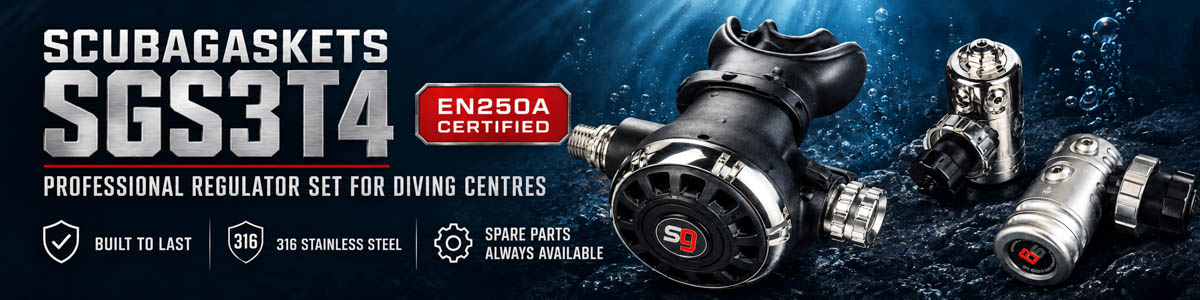
This specific alloy has molybdenum. That element helps the metal fight off chlorides found in seawater. It’s ideal for use on rails, cleats, and fasteners found above the waterline.
2. Aluminum
Weight creates drag and burns fuel, which is why many boat builders choose aluminum. Its high strength-to-weight ratio allows lighter hulls and faster speeds, making it an ideal material for marine use.
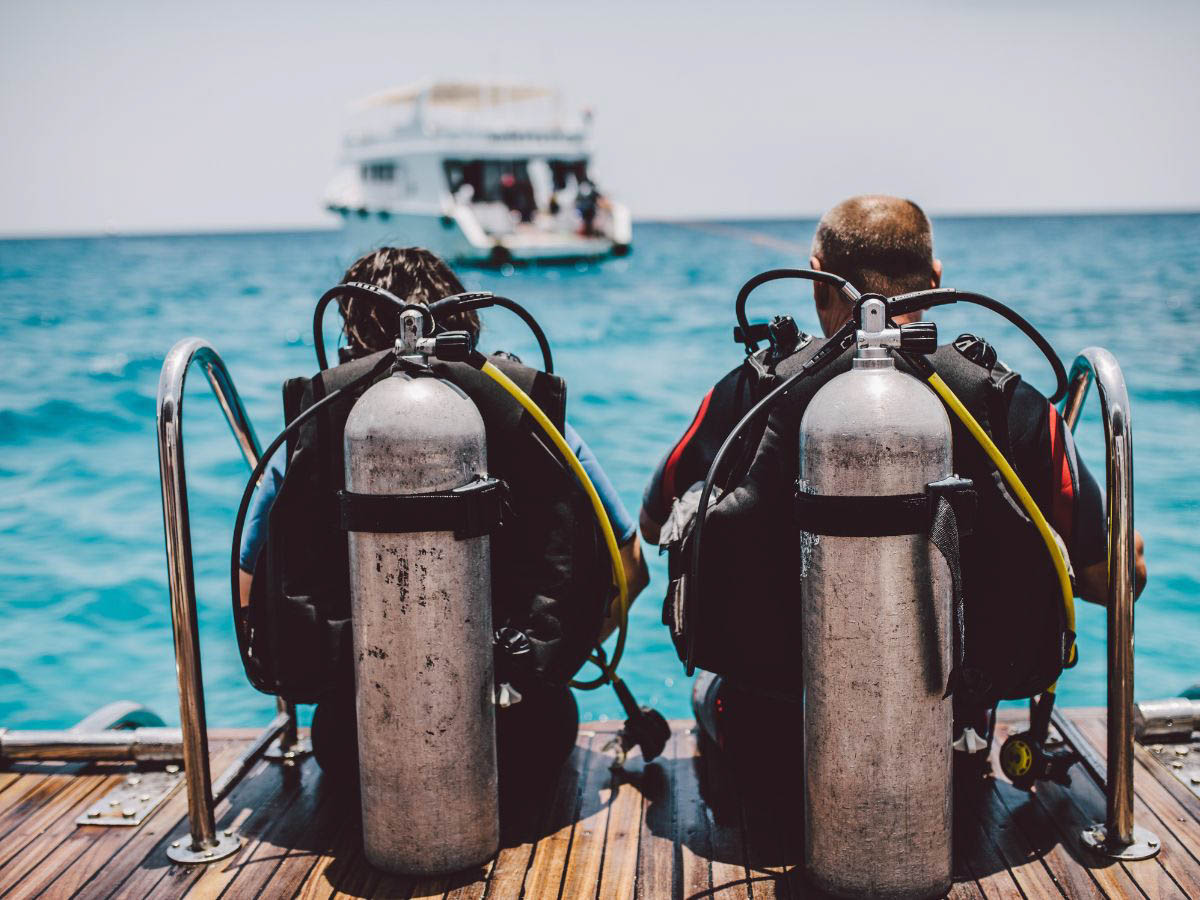
What’s more, aluminum has a built-in defense mechanism. When exposed to air, it forms a thin oxide layer that protects the metal underneath. That’s why it’s commonly used in pontoon boats, scuba tanks, and boat superstructures.
3. Naval Brass
Propellers and underwater shafts face constant submersion. Builders often select naval brass for these tough jobs. This alloy mixes copper, zinc, and tin to create a durable material.
The tin addition provides extra defense against saltwater corrosion. To verify quality, suppliers check for ASTM B21 compliance in naval brass alloys. This standard confirms that the rod or bar meets specific chemical and mechanical mandates needed for safety.
4. Bronze
Bronze has survived centuries under the waves. You might spot green-crusted bronze cannons on old shipwrecks during your dives. It’s still a favorite for underwater fittings because it resists biofouling.
Barnacles and marine growth struggle to adhere to bronze surfaces. This makes it ideal for seacocks, thru-hull fittings, and propellers. It holds up where other metals might dissolve or weaken over time.
5. Titanium
Titanium offers the ultimate protection against corrosion. It is virtually immune to the damaging effects of saltwater. It is also incredibly strong and lightweight.
The cost keeps it from being the primary metal for entire hulls. Instead, you find it in high-performance parts like heat exchangers or premium dive knives. It serves as a specialized solution for critical components.
Selecting the right material prevents rust from ruining your marine experience. A solid grasp of materials saves you money and keeps you safe on the water. Next time you inspect your gear or step onto a boat, you will know exactly what the common metals used in marine crafts are and why they belong there.
