



One of the most ambitious artificial reef projects in diving history is approaching its final stage, with officials in Florida confirming that the legendary SS United States is now scheduled to be sunk in the Gulf of Mexico during the second week of November 2026.
The 990-foot former ocean liner, once the fastest passenger ship in the world, is expected to be deployed approximately 22 nautical miles southwest of Destin-Fort Walton Beach, creating what is being promoted as the world’s largest artificial reef.
The announcement represents a significant development for a project that has experienced months of delays, extensive environmental preparation and regulatory scrutiny.
According to an October 15 announcement from the Okaloosa County Board of County Commissioners, the operation remains dependent on suitable weather conditions, and the precise date could change.
For the international wreck diving community, however, the confirmation of a November deployment window brings one of the most anticipated new dive sites in recent years considerably closer to reality.
From Historic Ocean Liner to Artificial Reef
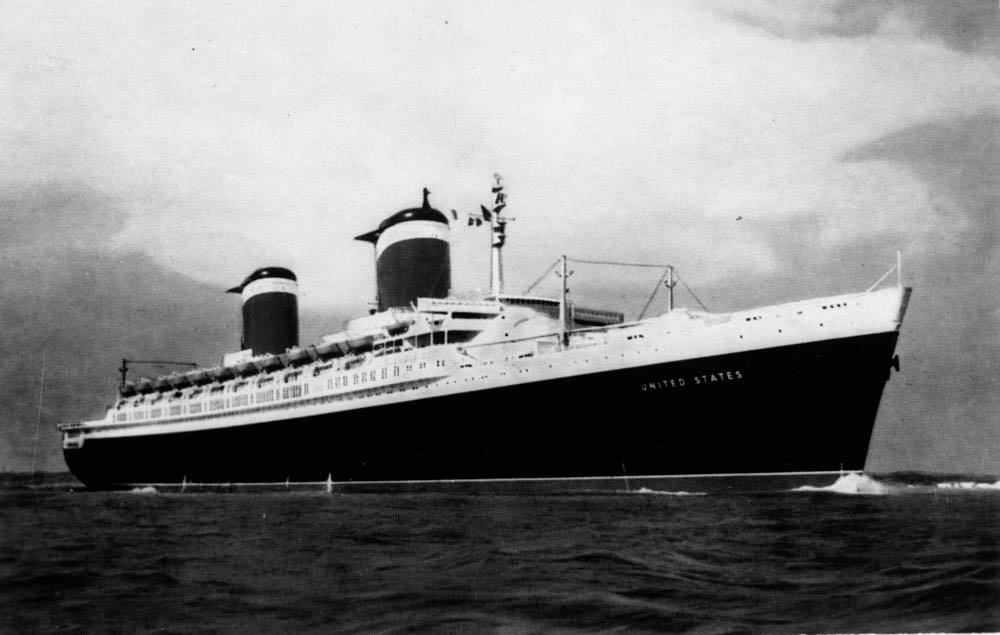
The SS United States entered service in 1952 and became a symbol of American maritime engineering, setting a transatlantic speed record on her maiden voyage that remains associated with her extraordinary legacy.
After retiring from passenger service in 1969, the vessel spent decades awaiting a viable future, including almost 30 years moored in Philadelphia.
Okaloosa County acquired the ship in 2024 with the intention of transforming her into a major artificial reef and marine tourism attraction.
In February 2025, the vessel departed Philadelphia before eventually arriving in Mobile, Alabama, where extensive preparation for her final deployment has taken place.
The project has attracted considerable interest from divers, marine conservation organisations and maritime historians.
As The Scuba News previously explored in our comparison with the USS Oriskany, the new reef could transform the region’s wreck diving opportunities while establishing a remarkable connection between two very different chapters of American maritime history.
Environmental Preparations Completed
Preparing a vessel of this size for an environmentally responsible sinking is a substantial undertaking.
Work in Mobile has involved removing materials that could present environmental hazards, along with modifying the structure for its intended underwater role.
The Okaloosa County project FAQ states that the required environmental remediation has been completed.
However, regulatory approvals have also been an important part of the process. Earlier in 2026, the county was required to pursue further permitting arrangements, contributing to uncertainty surrounding the deployment timetable.
Although officials have now announced the November window, the county’s published FAQ still refers to final approvals from the US Army Corps of Engineers and Environmental Protection Agency. The current status of those approvals has not been independently established by The Scuba News.
The latest announcement says the county is coordinating with safety and security partners to ensure that deployment is carried out safely and efficiently.
Further operational details are expected to be released ahead of the sinking.
What Will Diving the SS United States Be Like?
At 990 feet long, the SS United States will become an extraordinary underwater structure, offering the potential for multiple dive profiles across different depths.
Okaloosa County’s published plans describe a proposed reef site with a seabed depth of approximately 180 feet and upper portions of the vessel potentially accessible at considerably shallower depths.
The exact final configuration and accessible depths will depend on how the vessel settles during deployment and subsequent site assessments.
For suitably qualified divers, the ship’s immense dimensions could create opportunities ranging from exploration of its exterior upper structures to deeper technical diving around the hull.
However, its size should not be confused with universal accessibility.
Depth, offshore conditions, currents, overhead environments and the eventual structural condition of the wreck will all influence the training, equipment and experience required.
Until the vessel has been deployed, surveyed and formally assessed, any proposed dive profiles remain provisional.
The new reef will also join an established regional wreck diving industry, including the famous USS Oriskany, sunk off Pensacola in 2006.
The two vessels represent very different types of ship, but together they could strengthen northwest Florida’s reputation as an internationally significant destination for large-scale wreck diving.
A New Marine Habitat in the Gulf
Beyond its appeal to divers, the project is intended to create additional habitat for marine life.
Large artificial structures can provide hard surfaces for marine organisms to colonise and create shelter for fish and other species.
However, the development of a functioning marine ecosystem takes time, and the ecological results will depend on local environmental conditions and the vessel’s long-term stability.
The project’s success as a marine habitat will therefore be measured over years rather than immediately following deployment.
For Okaloosa County, the artificial reef is also expected to support dive tourism, charter operations and associated coastal businesses.
The scale of the vessel could make it an international attraction, although its actual popularity and environmental contribution will only become clear after it has been established underwater.
Preserving the Legacy Above the Surface
The sinking will not mark the complete disappearance of the SS United States.
In an October 10 project update, the SS United States Conservancy confirmed that work is continuing on a land-based museum near the departure points for future diving excursions.
Major components preserved for the museum include the vessel’s distinctive funnels, radar mast and stem anchor.
The planned attraction will tell the story of the ship’s engineering achievements, celebrated design and role in American maritime history.
It will also provide an opportunity for visitors who do not dive to experience part of the vessel’s remarkable legacy.
For the Conservancy and those who spent years campaigning to protect the ship, the project represents a compromise between the loss of the original ocean liner and the preservation of its history for future generations.
What Happens Next?
The immediate priority is confirmation of the final deployment schedule.
Okaloosa County has indicated that further information will be released in the coming weeks, including arrangements surrounding the sinking itself.
The SS United States Conservancy also expects to announce opportunities for supporters and the public to participate in the occasion, both in person and online.
For now, the second week of November remains the official target rather than a guaranteed sinking date.
The transformation of the SS United States from record-breaking Atlantic liner to artificial reef has been years in the making. If the operation proceeds as planned, November will mark the beginning of an entirely different chapter in the ship’s history.
The vessel that once carried passengers across the Atlantic at extraordinary speed could soon become one of the most recognisable wreck diving destinations in the world.


.jpg)